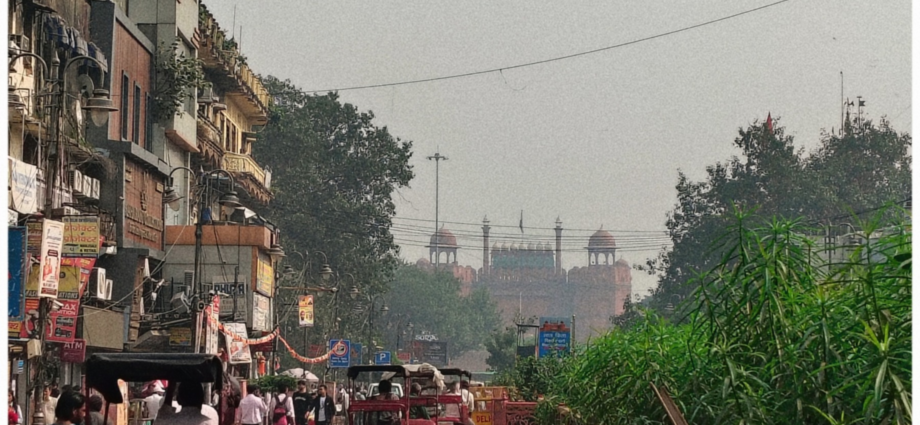
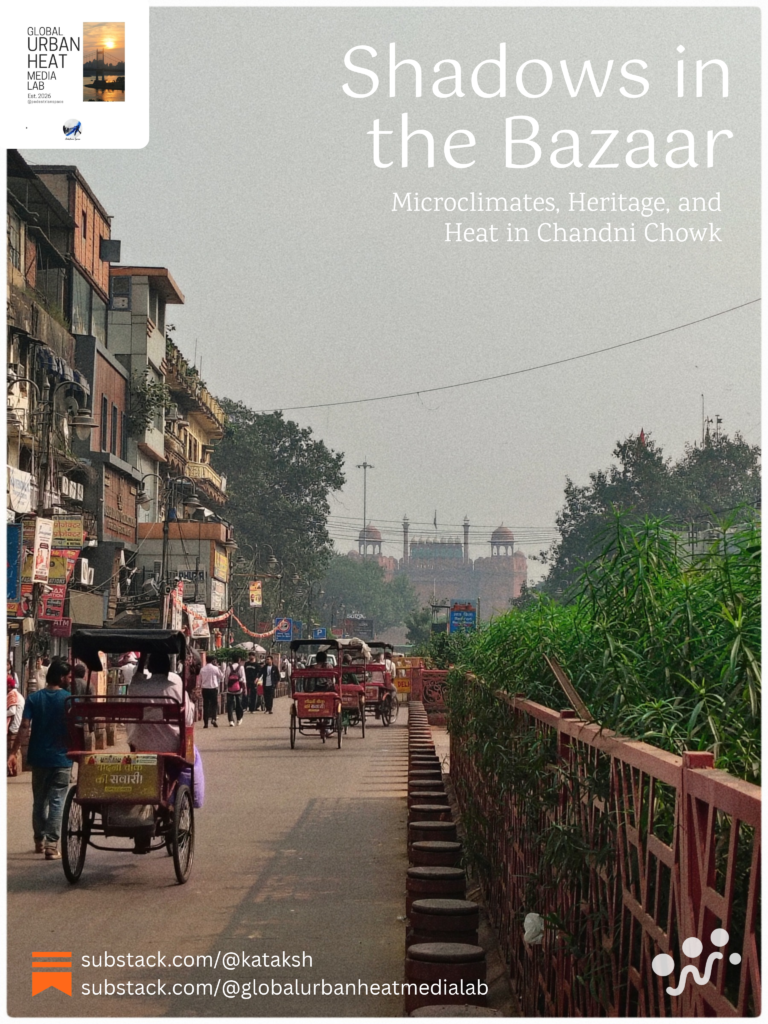
‘Shadows in the Bazaar‘ by Priyanshu Joshi is an exploration of Microclimates, Heritage, and Heat in Chandni Chowk. Priyanshu incorporates some of his own experience and research on Chandni Chowk in this piece exploring shadows and urban heat in bazaars.
Excerpt:
The Living City and the Reality of Urban Heat
Walking through Shahjahanabad reveals an urban landscape that is far from a static museum or a frozen historical monument. It is an intensely living, breathing city where 370 years of urban history are actively inhabited, negotiated, and repurposed every single day.
Yet, it would be a mistake to romanticize these shaded alleys as a complete escape from Old Delhi’s climate reality. The daytime coolness of the narrow galis hides a harsher truth: urban heat remains a severe, daily physical burden across Chandni Chowk. Heavy brick walls absorb thermal radiation throughout the day and re-radiate it late into the night, turning unventilated residential katras into nocturnal heat traps. Meanwhile, thousands of informal cart porters and rickshaw pullers operate on the frontlines without dedicated shaded rest shelters or reliable public drinking water fountains.
What makes Old Delhi remarkable is the sheer human resilience of its workers and residents, but informal coping strategies cannot replace actual urban development. The collision of modern retail hubs like Omaxe Chowk with historical havelis proves that Shahjahanabad is constantly changing. What it urgently needs now is targeted microclimate planning—integrating public cooling amenities, green infrastructure, and sustainable ventilation into the historic fabric so that the burden of urban heat doesn’t fall solely on the shoulders of those who live and work here.
Read the article here
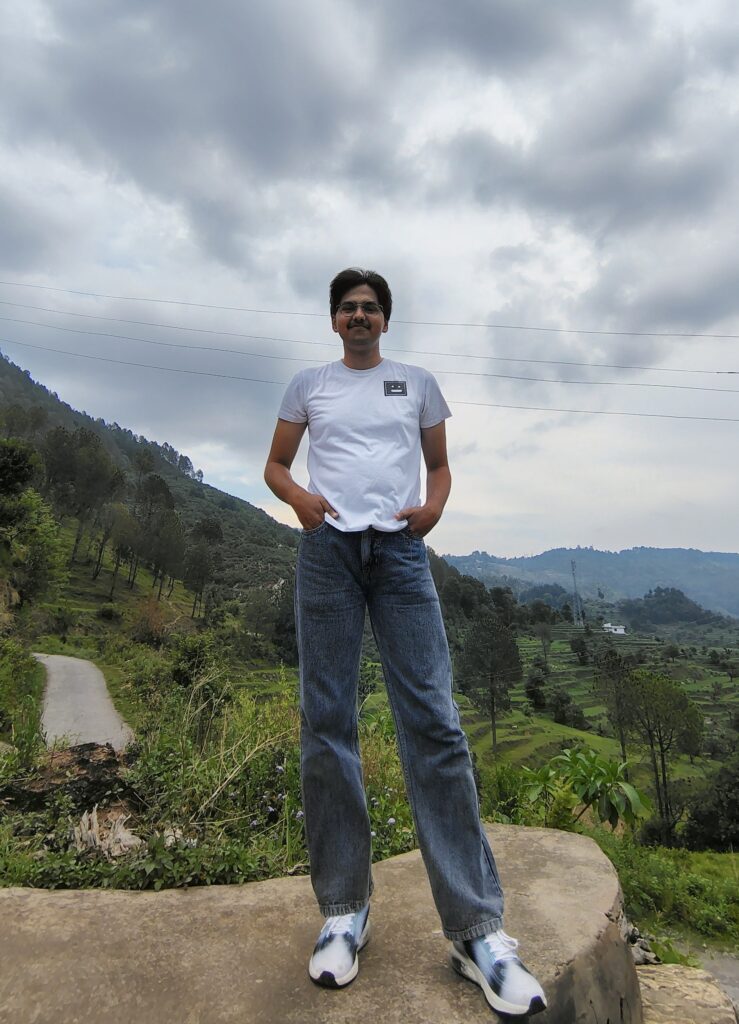
Priyanshu is a B.Tech Civil Engineering student at Thapar Institute of Engineering and Technology, with a growing interest in urban planning, infrastructure, mobility, and climate resilience. His interest in the URBAN HEAT pilot relates to how the built environment, infrastructure, mobility, and public spaces influence people’s exposure to and experience of heat, and how urban planning can respond to these challenges. Coming from a civil engineering background, he is interested in approaching urban heat from an infrastructure and urban-systems perspective while exploring how spatial and remote-sensing approaches can complement observations of the built environment and people’s everyday experiences, rather than looking at heat purely through technical measurements. Through the internship, he hopes to develop a research direction around urban heat and resilience in Indian cities, learning from perspectives across different disciplines, and contributing to collaborative research, case studies, and media outputs within the Global URBAN HEAT Media Lab.
Learn more about Priyanshu’s work during his internship at Pedestrian Space here: https://pedestrianspace.org/tag/priyanshu-joshi/
The ‘Global URBAN HEAT Media Lab’ is an initiative supporting international and interdisciplinary knowledge exchange, individual and collaborative research, awareness-shaping, and media creation regarding urban heat mitigation and adaptation.