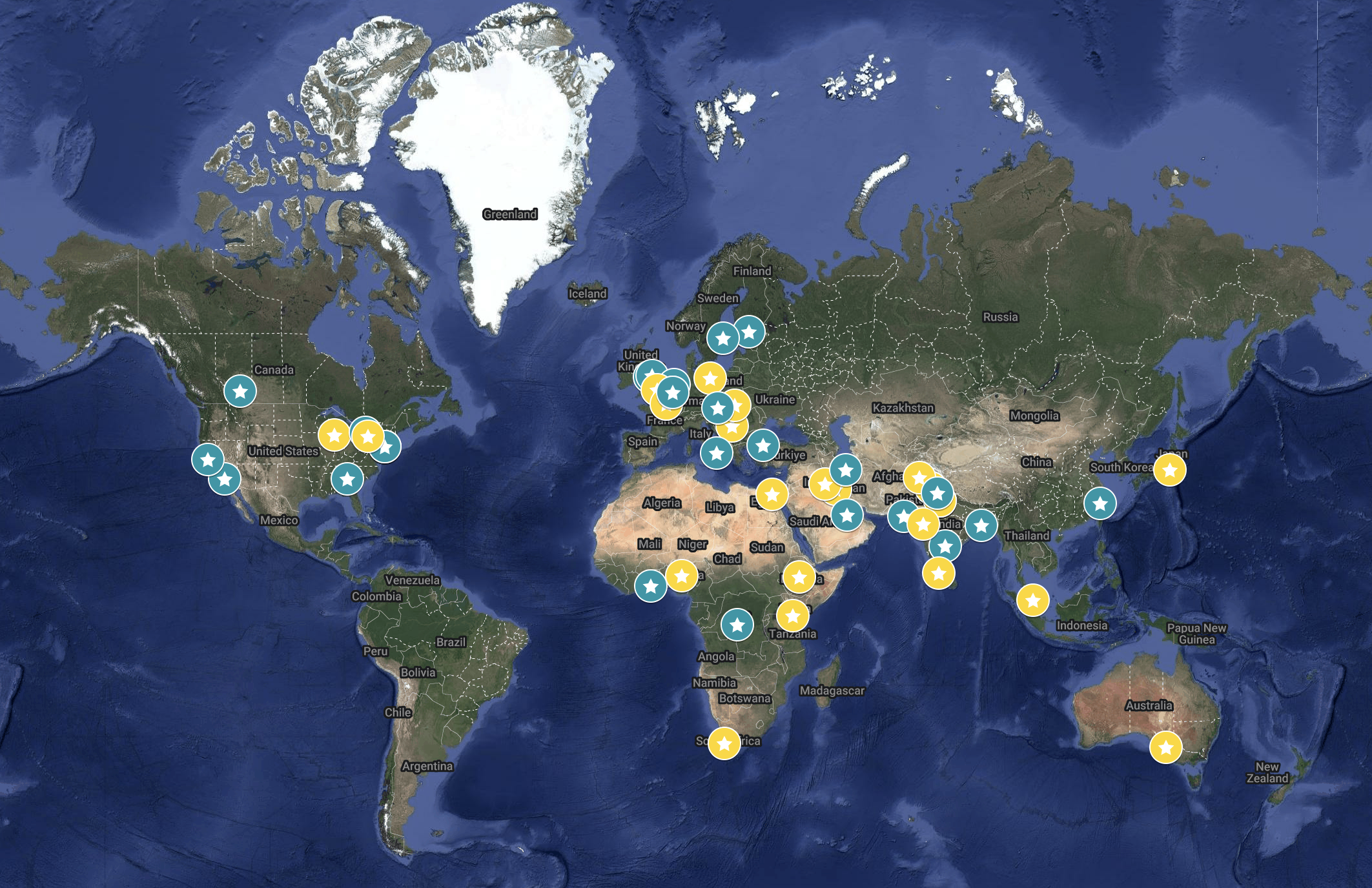
The ‘Global URBAN HEAT Media Lab’ project and network were established in August 2026. We are in the process of continuously updating the network bios page here as we lay the foundation for the network and develop the initiative.
Austria
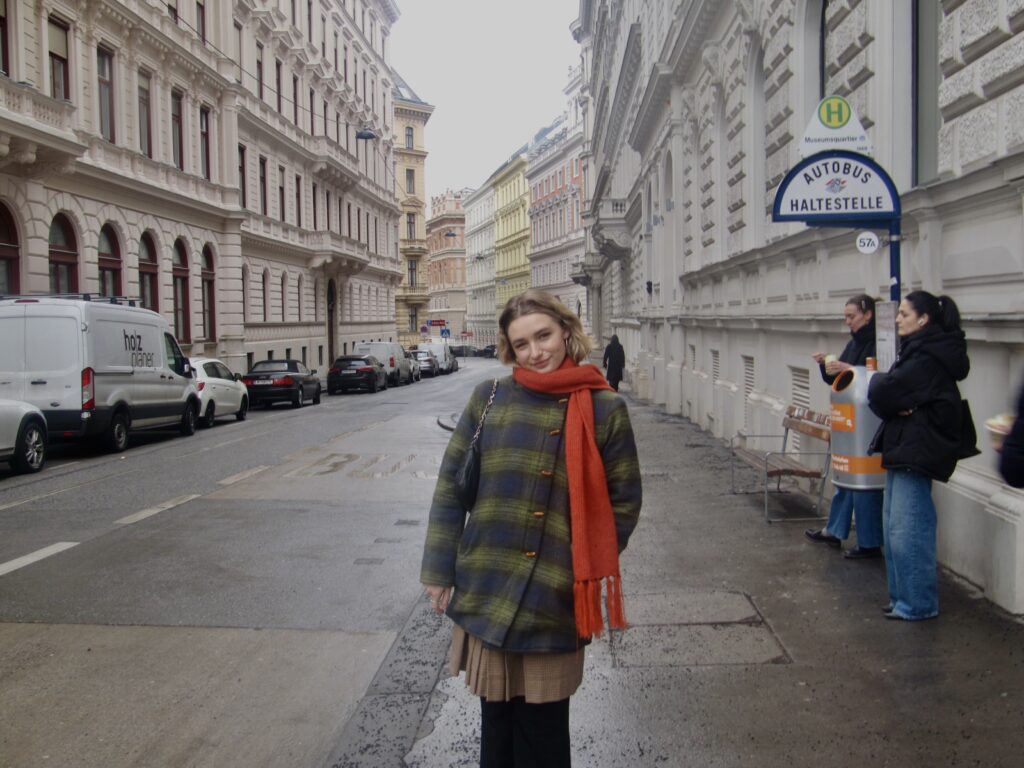
Emma Maria Rossi
Vienna, Austria
2026/27 Intern
Emma Maria is an MSc student in Socio-Ecological Economics and Policy at WU Vienna, where her research focuses on urban heat vulnerability and the social dimensions of climate adaptation. Emma ‘s internship for the ‘Global URBAN HEAT Media Lab’ pilot relates to questions driving her research: how cities identify who is most exposed to extreme heat, and how that knowledge translates into more equitable adaptation.
Read more about Emma Maria’s work during her Pedestrian Space internship here: https://pedestrianspace.org/tag/emma-maria-rossi/
Belgium
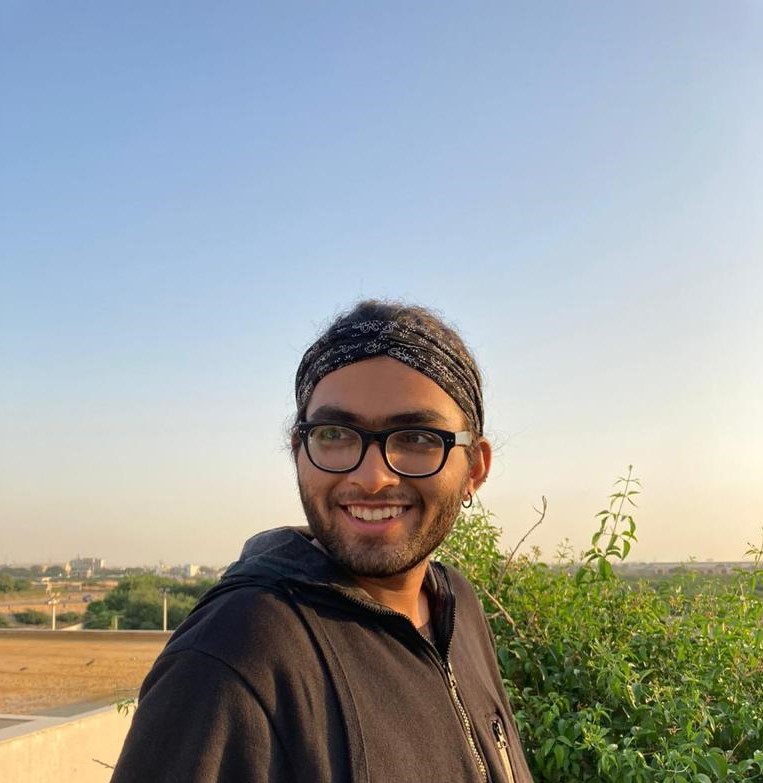
Zayaan Delawalla
Brussels, Belgium // Karachi, Pakistan
2026/27 Intern
Zayaan has a background from his undergraduate work in Karachi on maternal and child health at the intersection of climate change, and experience working on multiple projects focusing on urban and rural disasters, including but not limited to extreme heat. He is currently based in Brussels, pursuing a Master’s of Urban Studies at VUB. His internship in the Global URBAN HEAT Media Lab will reflect the reality of unprecedented recent heat waves in Europe, increasing the relevance of extreme heat in urban practice and discourse on this continent as well.
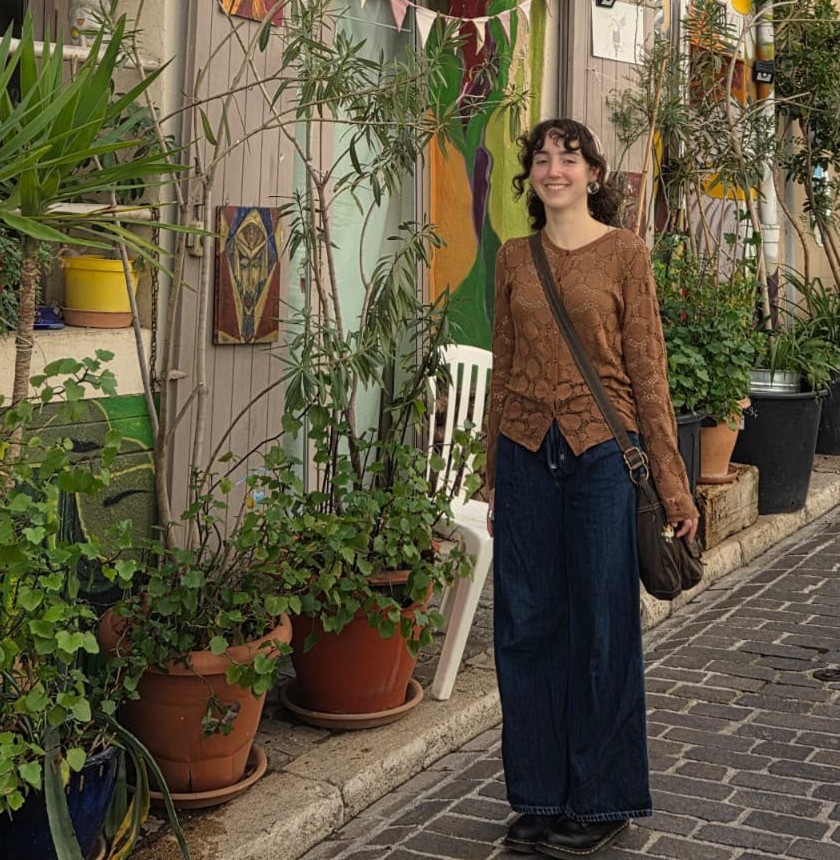
Sonora Ward
Belgium, Brussels // Santa Cruz, California, USA
2026/27 Intern
Sonora Ward is a VUB MSc Urban Studies student and Global Studies graduate specializing in Sustainability science and dedicated to issues of climate change and social injustice, specializing in community-centered approaches to socio-environmental transformations.’ Her current focus is on how Nature-based Solutions can be co-designed in socially inequitable contexts to act as climate shelters for vulnerable residents, an emphasis aligning with the ‘Global URBAN HEAT Media Lab’ focus on heat’s relationship to meaningful green transitions and local and planetary health.
Read more about Sonora’s work during her Pedestrian Space internship here: https://pedestrianspace.org/tag/sonora-ward/
Canada
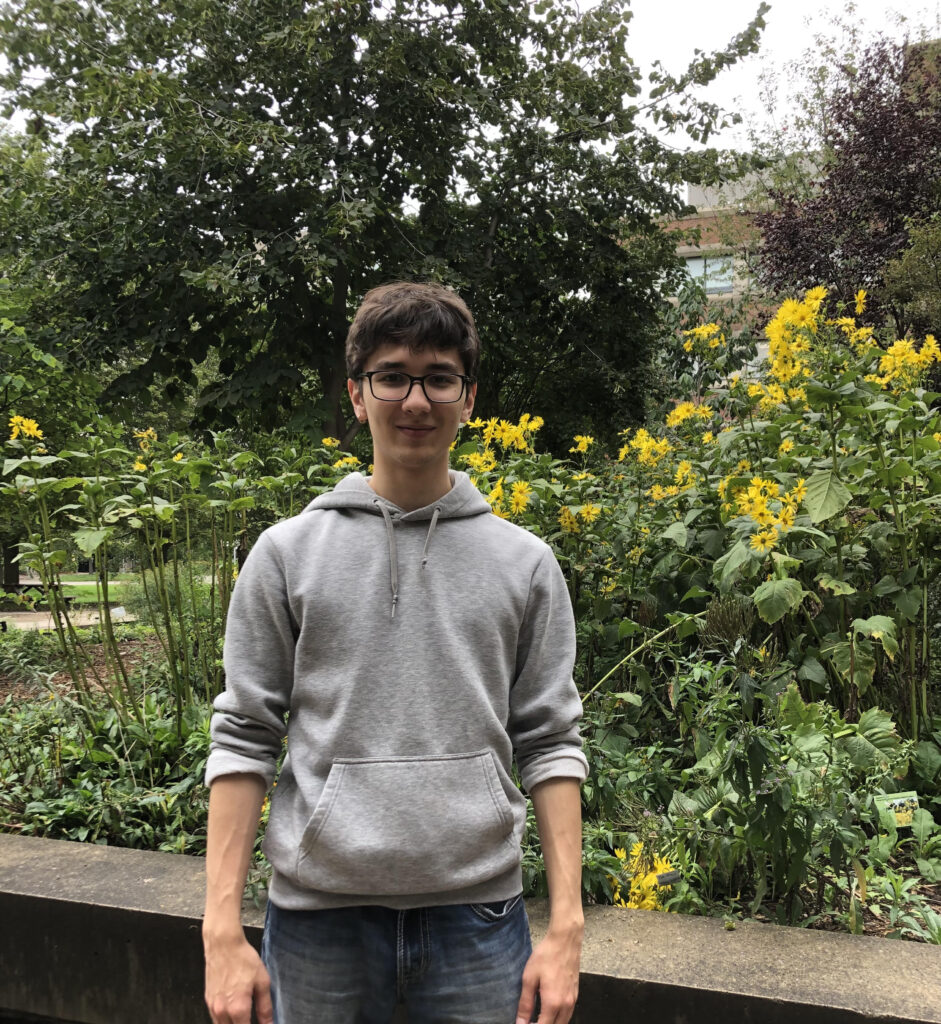
Alisher Kulzhabayev
2026/27 Intern
Alisher is a research assistant at York University, with an academic and research background centered on urban planning, public space, transportation, and community well-being. His research has led to a development of interest in how the built environment shapes everyday experiences and how planning can support more resilient and inclusive communities. He is particularly interested in exploring urban heat through the intersections of public space, mobility, built form, and nature, and contributing a planning and research perspective to Pedestrian Space’s Sustainable Urbanism & Planetary Health initiative.
Read more about Alisher’s work during his Pedestrian Space internship here: https://pedestrianspace.org/tag/alisher-kulzhabayev/
Croatia
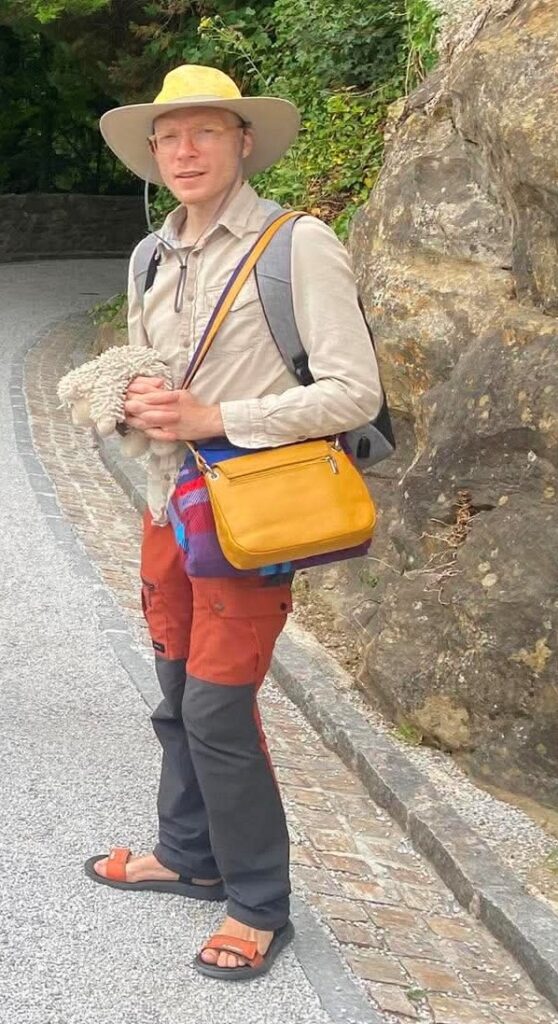
Veljko Armano Linta
Zagreb, Croatia
As a citizen engagement coordinator in Zagreb, Veljko works to boost his team’s capacity to engage citizens and other stakeholders in tackling their two challenges: urban heat and a welcoming city. He is interested in sharing and learning how others might be doing just that, but also in learning about what works in other cities when we want to make a tangible, measurable difference for how citizens live through heat. They focus on this by combining agile projects with a systemic approach and combining place-based and service-based interventions. Their team has done informal and semi-structured interviews, focus groups, a city-wide survey, a pop-up shading intervention, heat-and-vulnerability mapping, and conversations with activist experts and researchers. Personally, he’s very interested in combining climate adaptation with climate mitigation and climate justice at a structural level. For him, this means going beyond capitalism, zero-sum competition, extraction, neocolonialism, and top-down governance. In other words, moving towards regenerative cultures and putting the economy in service of societies serving ecosystems we’re part of – decent living standards, equity, community building, personal development, and joy, all within planetary boundaries and with an awareness that we can be a constructive part of the web of life on Earth. His background includes running a studio for participatory regenerative architecture, designing and facilitating workshops and courses on sustainability and sociocratic teamwork, leading the design of interdisciplinary teaching scenarios on sustainable development for the Croatian public school system, writing peer-reviewed papers and an award-winning book. More importantly, he is a dad with a passion for music, improvisational cooking, forests, lakes and fjords.
Read more about Armana’s involvement in the Global URBAN HEAT Media Lab here: https://pedestrianspace.org/tag/veljko-armano-linta/
France
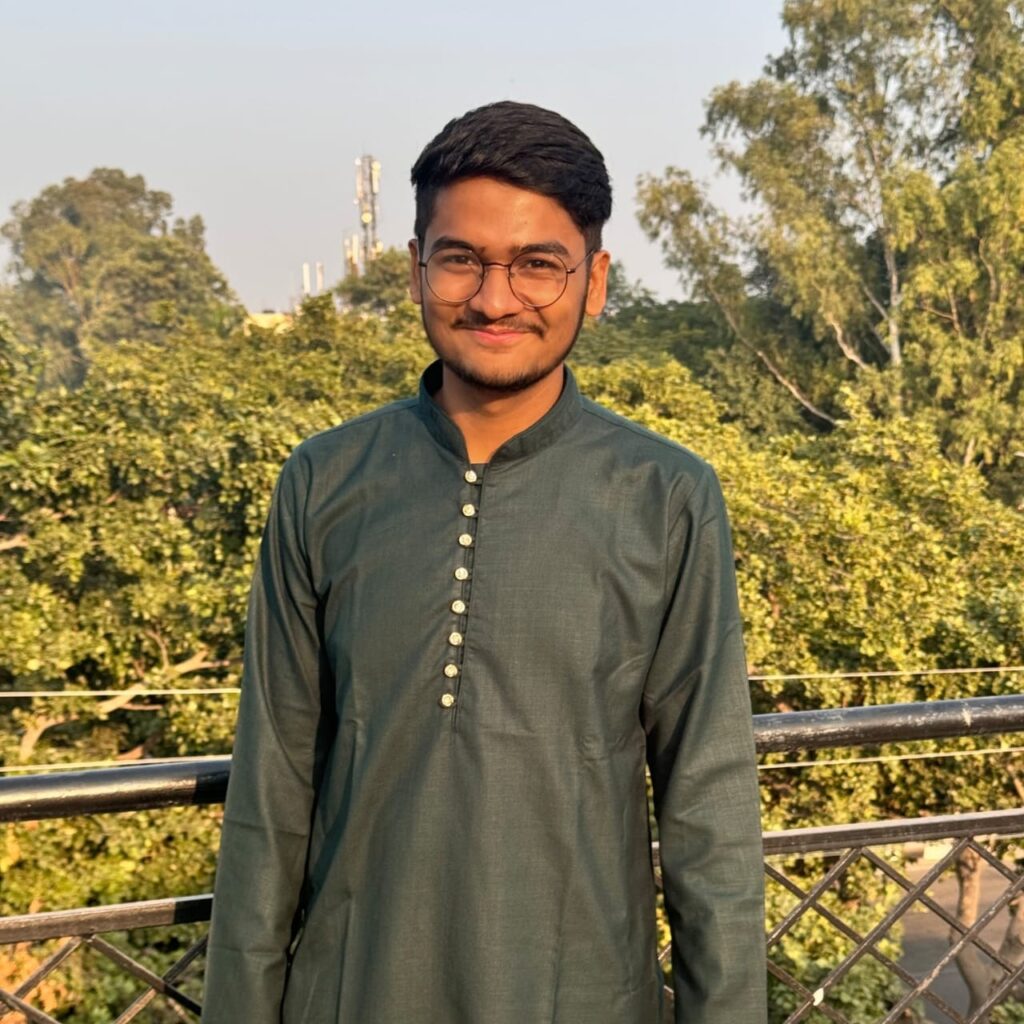
Gunjit Verma
Paris, France
Gunjit is currently a second-year Master’s student at Sciences Po Urban School. He is interested in disaster and climate risk and how we can make cities more resilient to such increasingly unpredictable catastrophes. He believes that cities are the places where the fight against climate change will be won or lost, viewing the Media Lab activity as offering a fresh view on urban heat resilience, focusing not solely on infrastructural solutions but actually centering the community at its forefront with education, engagement, and experiences.
For Gunjit, this means actually making communities aware that heatwaves are not a technical problem to be done away with, but to also focus on social cohesion networks to ensure people have the aid, information and cooperation needed to endure through them and that communities are in lockstep in the disaster management structure from bottom to the top, so that policies are implemented in letter.
He joins the Global URBAN HEAT Media Lab with interest in contributing geospatial maps and research briefs.
View Gunjit’s engagement with the Global URBAN HEAT Media Lab here: https://pedestrianspace.org/tag/gunjit-verma/
India
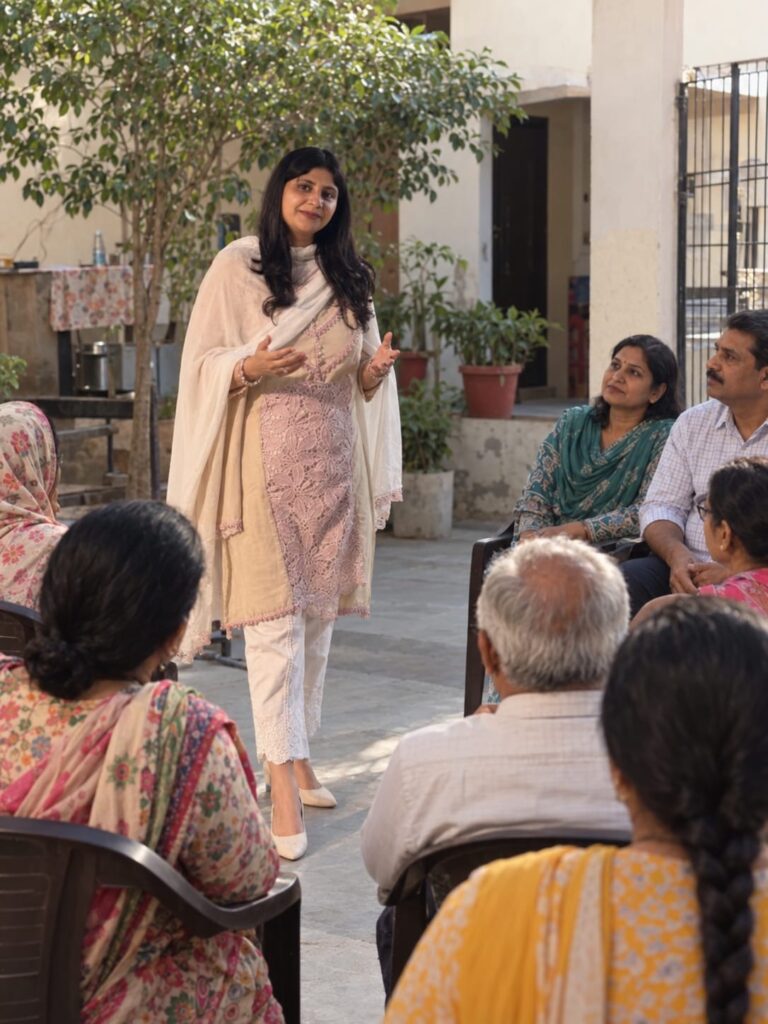
Yusra Gul
New Delhi, India
Yusra Gul is an Assistant Professor in the Department of Architecture at Jamia Millia Islamia, New Delhi, and a practicing architect with over 13 years of professional experience. She is currently pursuing her PhD, focusing on urban heat stress mitigation in informal and unauthorized settlements.
Her research lies at the intersection of architecture, urbanism, and climate change, with interests in urban heat, thermal vulnerability, settlement morphology, climate-responsive design, and community-based adaptation. Her methodological interests include GIS, remote sensing, land surface temperature analysis, and integrating environmental data with residents’ lived experiences.
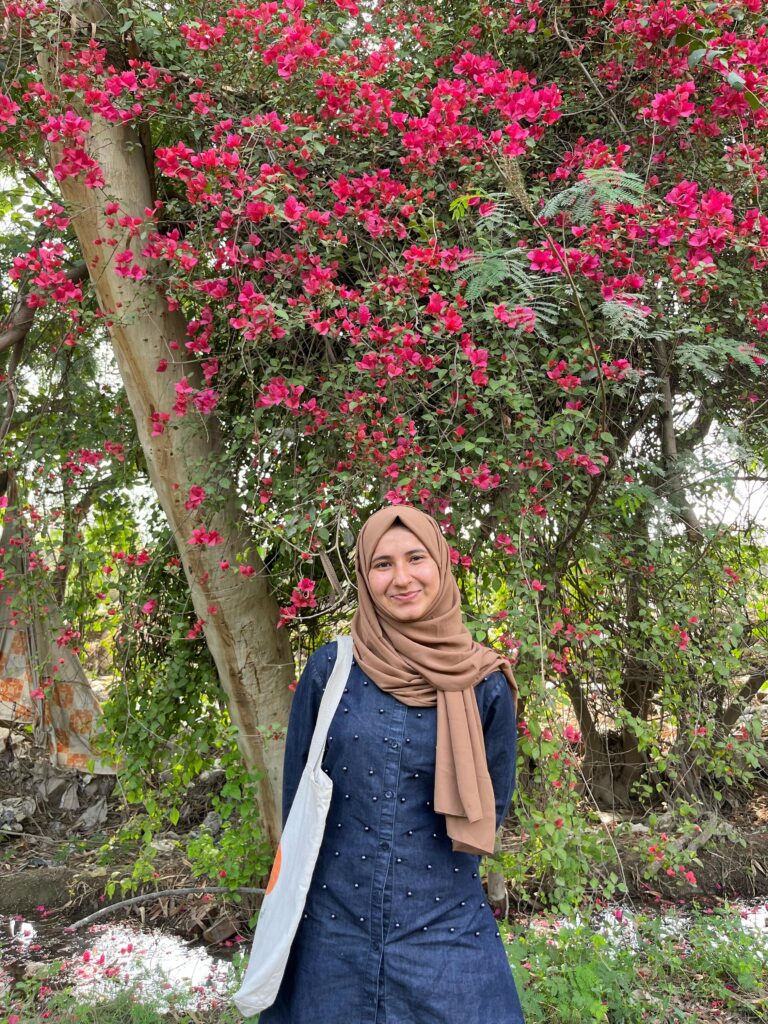
Iqra Fatima
2026 Intern
Iqra Fatima is an undergraduate student pursuing a B.A. (Hons.) in Geography with a Minor in Economics at Jamia Millia Islamia, New Delhi. For her internship, she is interested in the production of heat-related disciplinary insights and bringing in a geographical and climate-focused perspective via a location-based case study, focusing on Delhi as a metropolitan city and the intersection of climate, urban geography, and urban heat.
Read more about Iqra’s work during her Pedestrian Space internship here: https://pedestrianspace.org/tag/iqra-fatima/

Arghyadip Hatua
Ahmedabad, India
Walkability Correspondent | Urban Mobility & Public Space Advocate
Arghyadip is a passionate urban mobility and public space advocate, working for safer, more walkable, inclusive, and people-friendly cities. As a Walkability Correspondent for Pedestrian Space, he delves into the relationships between pedestrians, sustainable mobility, public transport, the environment, heritage, and urban design.
Born and raised in Kolkata but currently living in Ahmedabad, he has a unique perspective on two different cities and is an active advocate for pedestrians, safer streets, bicycle commuting, and sustainable public transport. In Kolkata, he focuses on revitalizing the public transport system and reviving the state-owned tram network.
His professional interests centre on accessible, mixed-use, and mixed-density centers and the role of the public realm in encouraging alternative transportation such as walking, public transport, and cycling. Argho believes that the creation of a fit-for-purpose public realm is a fundamental requirement for healthy public life and bringing down the carbon footprint of transport systems in cities.
Read more about his work with Pedestrian Space here: https://pedestrianspace.org/tag/arghyadip-hatua/
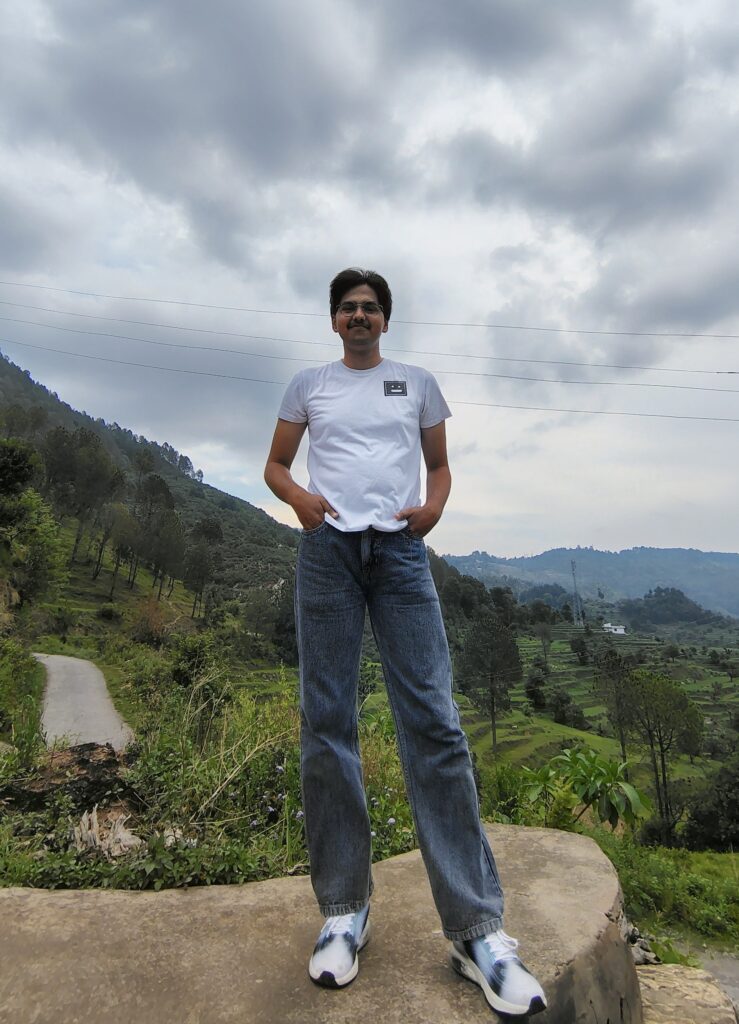
Priyanshu Joshi
Patiala, India
2026/27 Intern
Priyanshu is a B.Tech Civil Engineering student at Thapar Institute of Engineering and Technology, with a growing interest in urban planning, infrastructure, mobility, and climate resilience. His interest in the URBAN HEAT pilot relates to how the built environment, infrastructure, mobility, and public spaces influence people’s exposure to and experience of heat, and how urban planning can respond to these challenges. Coming from a civil engineering background, he is interested in approaching urban heat from an infrastructure and urban-systems perspective while exploring how spatial and remote-sensing approaches can complement observations of the built environment and people’s everyday experiences, rather than looking at heat purely through technical measurements. Through the internship, he hopes to develop a research direction around urban heat and resilience in Indian cities, learning from perspectives across different disciplines, and contributing to collaborative research, case studies, and media outputs within the Global URBAN HEAT Media Lab.
Learn more about Priyanshu’s work during his internship at Pedestrian Space here: https://pedestrianspace.org/tag/priyanshu-joshi/
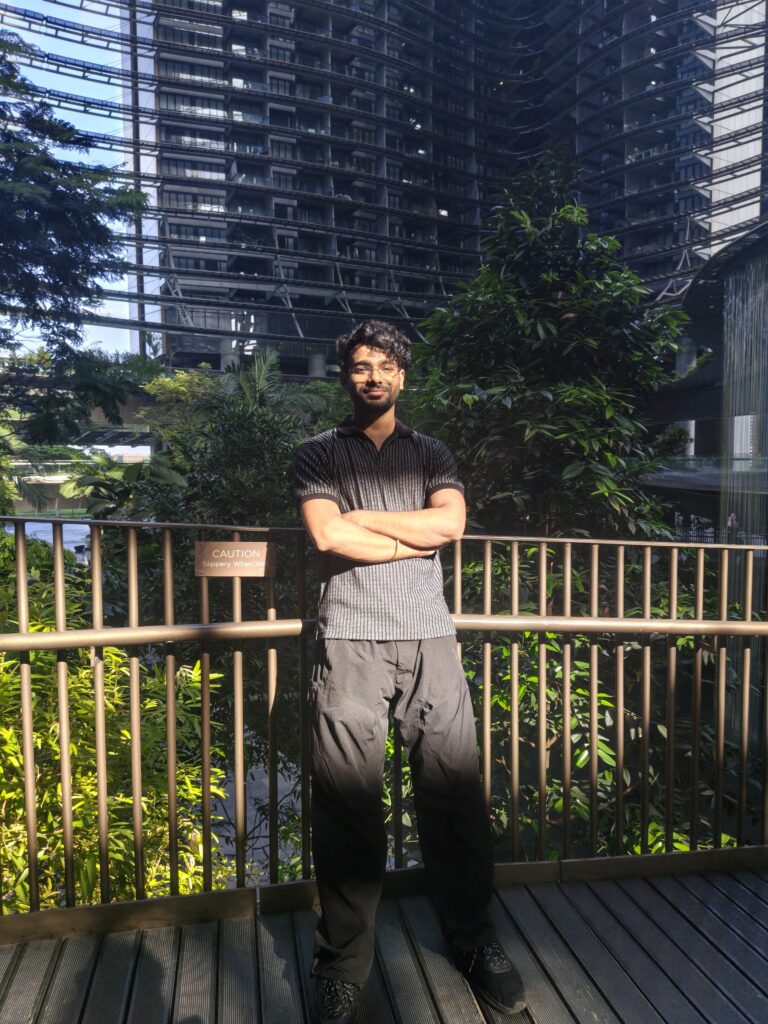
Alok Kumar Pandey Roorkee, India
Alok works on urban heat and how people experience it. He was recently part of a research team at NUS studying heat exposure among older residents using wearables, GPS, and microclimate modelling. His broader research interests are at the intersection of urban climate, building performance simulation, and machine learning and has worked on areas ranging from satellite-based heat mapping to validating low-cost sensors for measuring heat at the street level.
Living in Singapore also helped him realize how much walkability can change when a city prioritizes comfort in the form of shaded paths and better-designed spaces. He observes that numbers and models are most useful when they are considered alongside what people actually experience. He is excited to bring this approach to the URBAN HEAT pilot and to Indian cities, where heat is a serious challenge and many people have little choice but to walk through it, and to bring his collaborative approach for research that can have a real and positive impact.
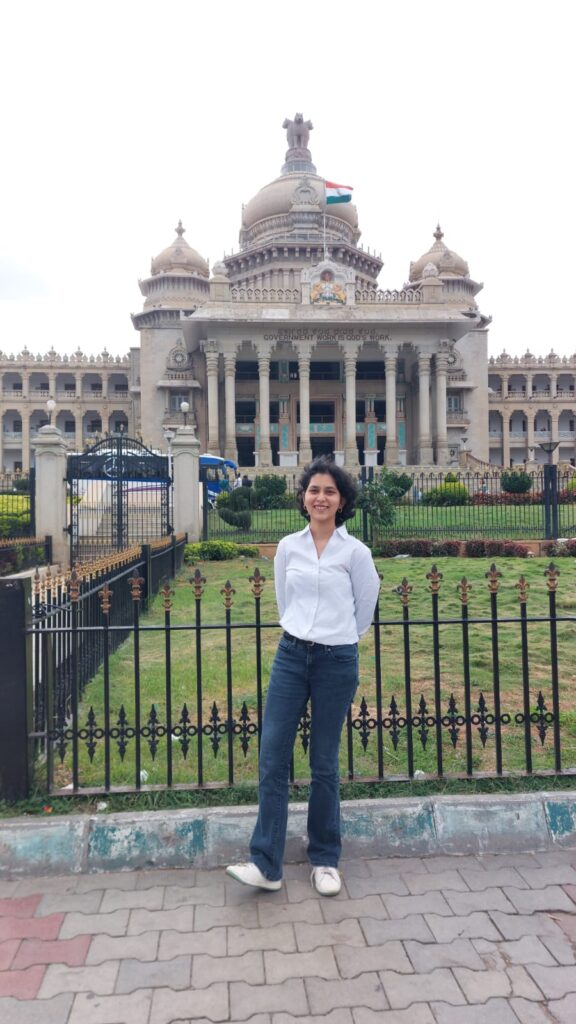
Sakshi Sureban
Pune, India
Sakshi is currently pursuing her Master’s in Public Policy at the Gokhale Institute of Politics and Economics in Pune, India. She is focused on urban policy and mobility. She is interested in issues of walkability in India, looking at how footpath ownership is split across agencies and perceives that heat is the missing piece, since people won’t walk where there’s no shade. At the Global URBAN HEAT Media Lab, she is interested in exploring issues of urban heat and pedestrian conditions in Indian cities.
Italy
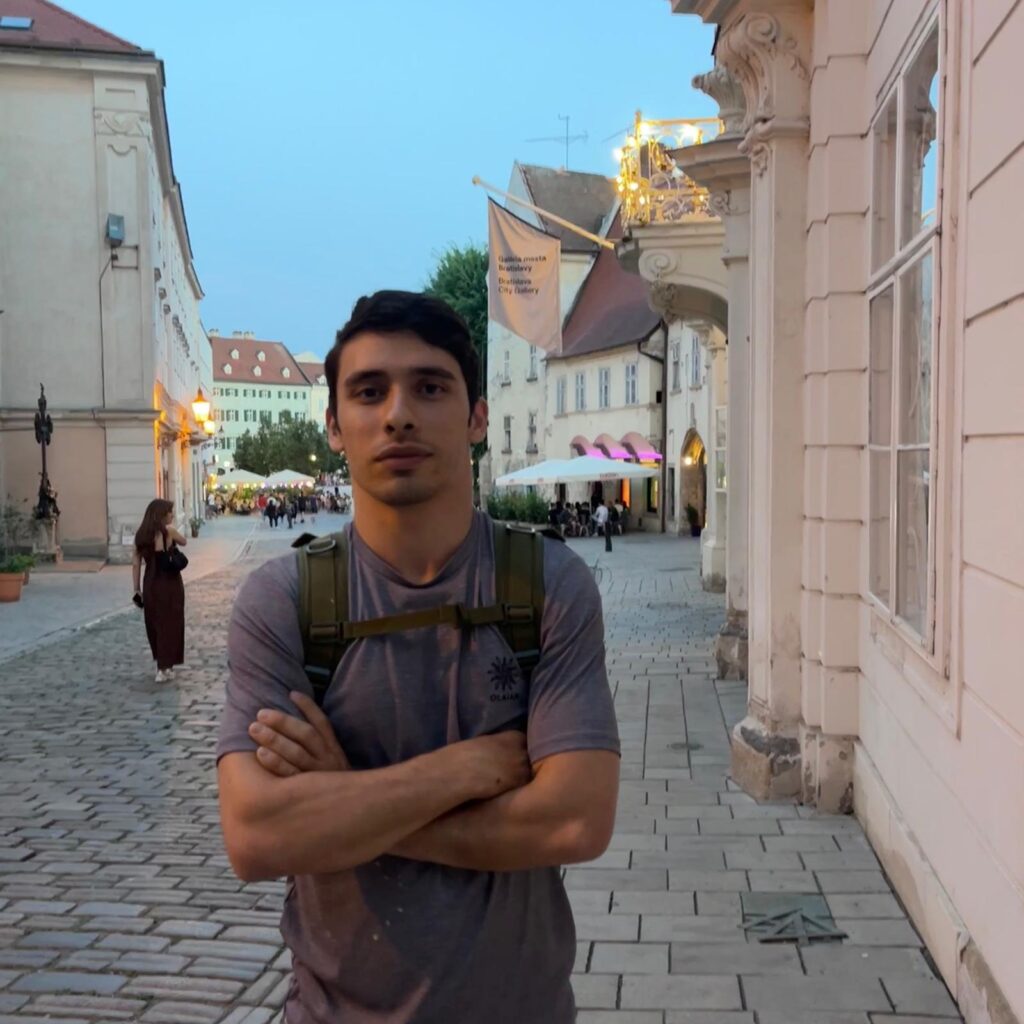
Emre Gulebaglan
Calabria, Italy
Emre is an Erasmus Mundus Joint Master’s (EMJM) student in Education, Migration and Diversity (EDU_MIG), with international study experience across Europe. His work and research interests focus on migration, diversity, mobility, belonging, European identity, urban inclusion, accessibility, and the everyday experiences of people navigating European cities. He is particularly interested in understanding how policies and broader European initiatives translate into lived experiences, and how mobility, public space, accessibility, and social inclusion shape people’s sense of participation and belonging.
With experience studying and working across different European contexts, he is interested in bringing a migration and diversity perspective to international, place-based initiatives that connect research, education, policy, and community experience. He is particularly interested in approaches that bridge European-level policy ambitions with the realities of people living, moving, and participating in cities.
Iran
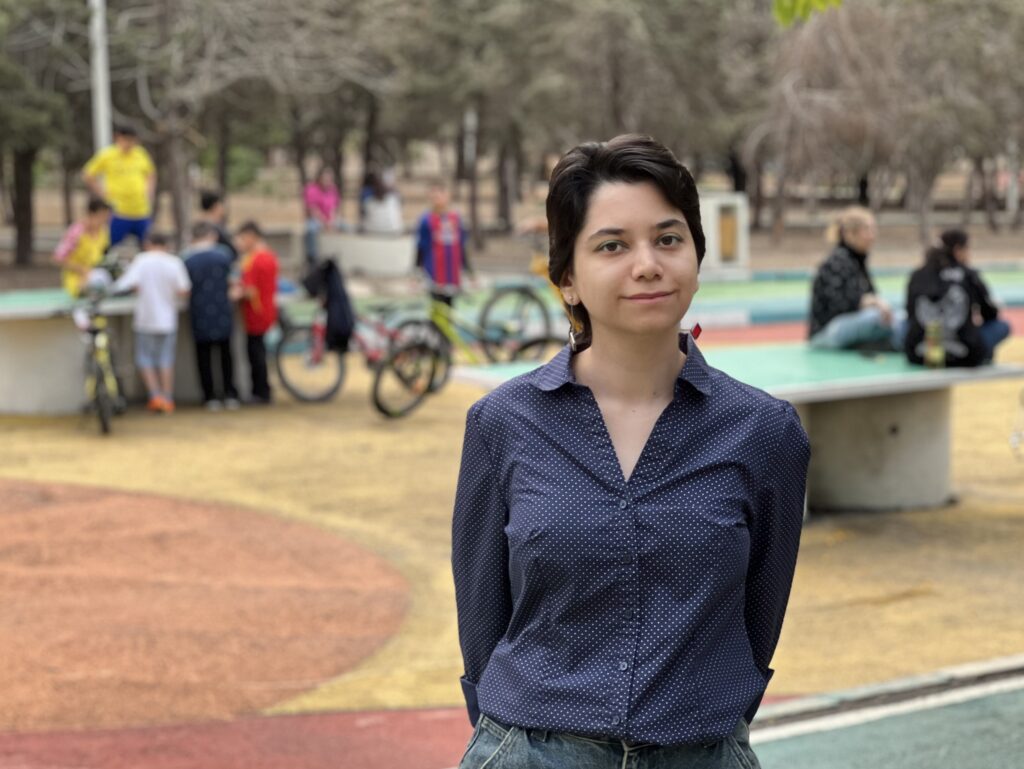
Mahkameh Rezaeisalim
Tehran, Iran
2026/27 Intern
Mahkameh is an interdisciplinary urban researcher based in Tehran with interests in urban health, walkability, participation, and women’s experiences of the city. She joins the ‘Global URBAN HEAT Media Lab’ with an interest in pairing her research in resilience and health with her current work on flânerie and urban experience, and shaping a research path to include urban heat. She is also interested in how heat resilience intersects with gendered experiences of public space in Iran and shaping awareness of ancient Iranian cooling approaches to mitigate heat.
Read more about Mahkameh’s work for her Pedestrian Space internship here: https://pedestrianspace.org/tag/mahkameh-rezaeisalim/
Iraq
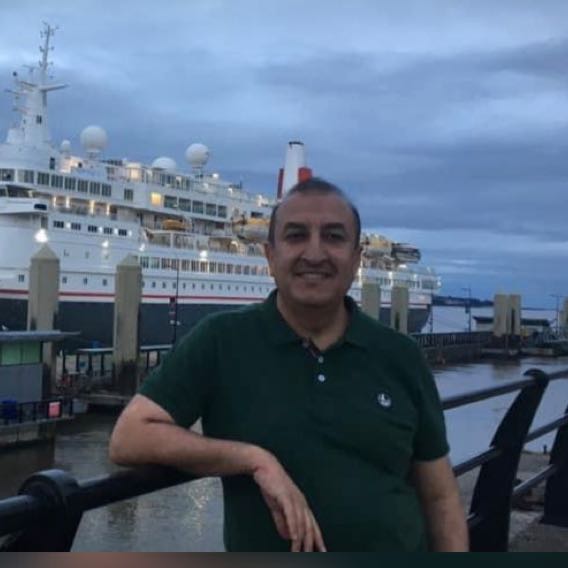
Sabeeh Farhan
Al-Kut District, Iraq
Dr. Farhan is Professor of Architecture and Urban Planning and Vice President for Scientific Affairs at the University of Wasit, Iraq. His work focuses on sustainable urbanism, urban resilience, outdoor thermal comfort, historic cities, public spaces, community participation, and digital environmental assessment. He has particular experience studying the complex relationship between climate, pedestrian movement, urban morphology, cultural heritage, and large seasonal gatherings in Iraqi historic and religious cities, especially Karbala and Najaf. Karbala represents a distinctive context where extreme summer heat, walkability, historic urban form, religious heritage, mass gatherings, and community adaptation intersect. He is interested in the opportunity to bring an Iraqi perspective to an international, place-based educational network.
Kenya

Maureen Nyambura
Nairobi, Kenya
2026/27 Intern
Nairobi-based Maureen is an Urban Planning Consultant at Kreis Spatial Planning & Consulting and a graduate in Environmental Planning and Management (EPM). She is also certified as a National Environment Management Authority (NEMA) Associate Expert and, through her work, sees how rapid development impacts local urban microclimates. She is interested in how we can use climate-responsive spatial design and green infrastructure to protect pedestrian spaces from rising thermal stress in sub-Saharan African cities.
Read more about Maureen’s engagement with the Global URBAN HEAT Media Lab here: https://pedestrianspace.org/tag/maureen-nyambura/
Netherlands
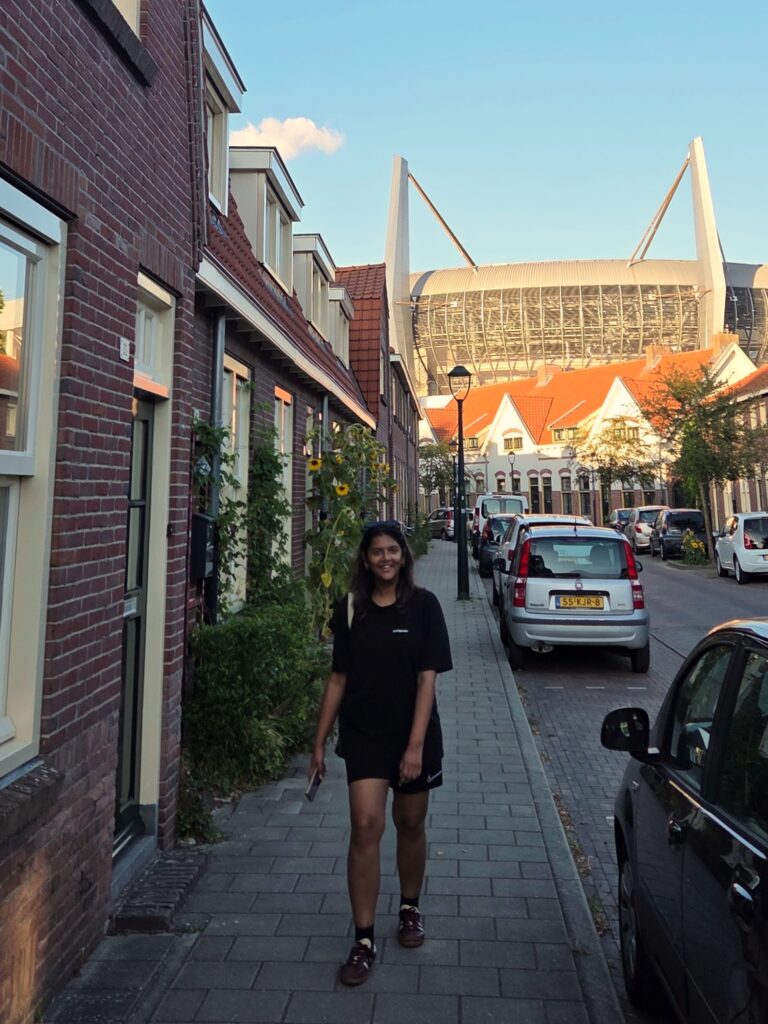
Aditi Ajay
Eindhoven, Netherlands
Aditi is an urban development practitioner who completed her Master’s in Urban Climate and Sustainability (Erasmus+ MUrCS) in September in 2026. She has significant experience designing streets and public spaces across Indian cities, with a lot of stakeholder-facing work with local councils and communities. Through her master’s, she focused on issues of urban heat and climate adaptation in cities. She is keen to explore the lived heat-adaptation strategies of informal outdoor workers (fish market vendors, ferry operators, street vendors) in this coastal, water-linked city, with the goal of developing something transferable to informal-sector and community learning in other contexts too.
Read more about Aditi’s engagement with the Global URBAN HEAT Media Lab here: https://pedestrianspace.org/tag/aditi-ajay/

Soya Mol
Enschede, Netherlands
Soya is currently pursuing a Master’s in Geo-Information Science and Earth Observation, specializing in Disaster Resilience, at ITC Faculty Geo-Information Science and Earth Observation, University of Twente. Her academic and professional journey has focused on climate resilience, disaster risk reduction, GIS, remote sensing, environmental governance, and community-based climate action.
Before starting her master’s, she worked with the Department of Environment and Climate Change, Government of Tamil Nadu, where she contributed to climate adaptation initiatives, urban greening projects, and developed a Cool Roof Policy proposal.
She is particularly interested in the URBAN HEAT pilot because it connects urban heat with public space, mobility, the built environment, nature, community experiences, and planetary health. She especially appreciates Pedestrian Space’s emphasis on place-based research, awareness-building, education, and knowledge exchange rather than treating urban heat only as a technical issue. She brings a geospatial and climate-resilience background into this interdisciplinary setting, while exploring how GIS and Earth Observation can identify heat-vulnerable areas and support locally relevant adaptation measures. She is also excited by the opportunity to translate research into accessible stories, field notes, maps, and knowledge that communities can engage with.
Nigeria
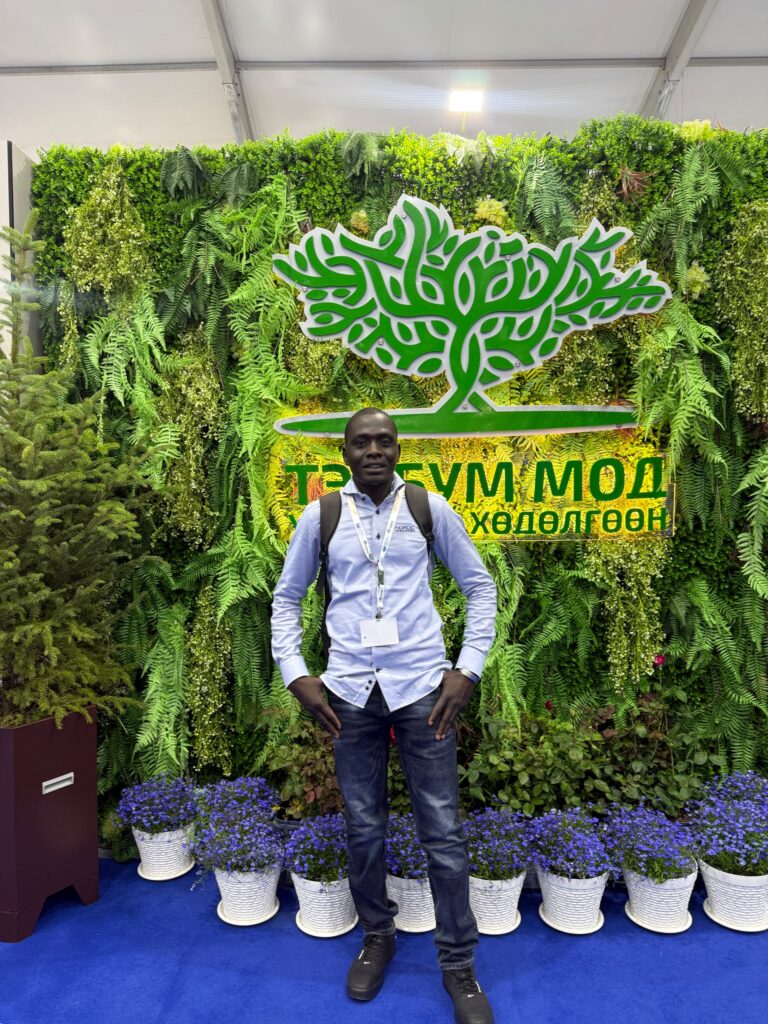
Hamissou Saminou Harouna
Minna, Nigeria
Hamissou is a PhD candidate in Climate Change and Human Habitat at the Federal University of Technology in Minna, Nigeria. His research explores the links between migration-related urbanisation, land-use/land-cover change, and urban heat island dynamics in Lagos, Nigeria, and Niamey, Niger. He has an academic background in environmental science and sustainable rural transformation, along with practical experience in land restoration, sustainable land management, climate-smart agriculture, and community resilience in Niger.
Hamissou joins the URBAN HEAT pilot as it offers an opportunity to explore urban heat beyond satellite measurements and scientific indicators, linking geospatial evidence to people’s lived experiences, local knowledge, and adaptation practices. He is particularly interested in understanding how rapid urbanisation, changes in vegetation and built-up areas, and housing and infrastructure shape heat exposure and resilience in African cities. Through the pilot, he hopes to contribute a West African perspective, learn from researchers and practitioners across diverse contexts, and develop collaborative approaches that connect research, community perspectives, and accessible climate communication.
Read more about Hamissou’s work with the Global URBAN HEAT Media Lab here: https://pedestrianspace.org/tag/hamissou-harouna/
Pakistan

Anushey Tahir
Lahore, Pakistan
Anushey is a 2026 Political Science graduate at LUMS (Lahore University of Management Sciences). Her thesis examined how shrine redevelopment reshapes access to and control over public and sacred urban space. As part of this URBAN HEAT Media Lab, she intends to explore the relationship between heritage conservation in Lahore and urban heat. While current heritage preservation initiatives focus more on surface-level modernisation or commercialisation of historic or sacred spaces, she hopes to ask whether Lahore’s historic architecture already embodies climate-responsive design that contemporary planning can learn from. Through fieldwork around shrines, she observed how shaded courtyards, trees, verandahs and narrow pedestrian spaces continued to shape how people navigated these spaces during periods of intense heat or floods (monsoon season). Rather than viewing heritage solely through the lens of conservation and modernisation, she also documents it as a form of climate infrastructure, highlighting how traditional urban design can contribute to more walkable, resilient, and thermally comfortable spaces, and what authorities can do to preserve this infrastructure, which seems to be weakening every passing year due to global warming and climate change.
Read more about Anushey’s engagement with the Global URBAN HEAT Media Lab here: https://pedestrianspace.org/tag/anushey-tahir/
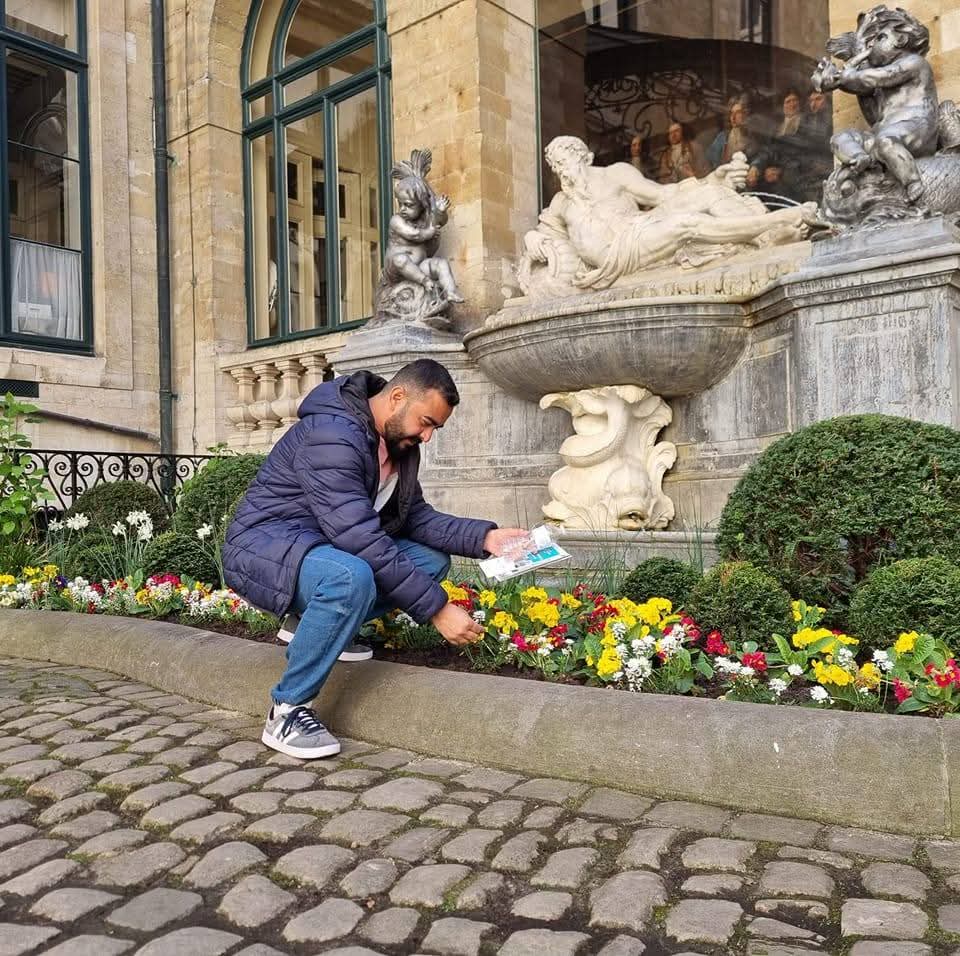
Muhammad Tariq
Peshawar, Pakistan
Muhammad is an architect and Assistant Professor working at the intersection of architecture, urban ecology, and climate-responsive design. His work focuses on urban heat, nature-based cooling, and climate-responsive planning, including Talash-e-Saya, a place-based initiative exploring indigenous cooling wisdom in Pakistan. He is interested in the URBAN HEAT pilot as an opportunity to develop practical, place-based heat education for architecture students and practitioners.
Read more about Muhammad’s engagement with the Global URBAN HEAT Media Lab here: https://pedestrianspace.org/tag/muhammad-tariq/
Poland

Annika Lundkvist
Szczecin, Poland
Annika is originally from the USA and has been based in Poland for several years, where she is a researcher focused on issues of urban resilience. She is also the founder of Pedestrian Space, an NGO operating at the intersection of communication, media, advocacy, and research on issues of sustainable urban development. She is also founded the Global URBAN HEAT Media Lab.
Slovakia

Zuzi Koščíková
Slovakia
Zuzi is a researcher with an interdisciplinary background in ecology, environmental science and sustainable urban planning, interested in how nature can be brought back into cities to make them more resilient, liveable and enjoyable. Her research interests span blue-green infrastructure, nature-based solutions, urban heat and biodiversity, alongside their social dimensions — from placemaking and community involvement to environmental justice and green gentrification. Her undergraduate research explored the environmental and social benefits of green roofs on Edinburgh bus shelters and was later published in Land. More recently, her master’s thesis focused on urban heat in Coimbra, Portugal, exploring how green infrastructure along the river could help cool the city. Zuzi joins the Urban Heat Network to collaborate with others and explore ways of connecting the ecological, spatial, and social sides of climate adaptation — working towards cities that are not only cooler and greener, but also more inclusive.
Read more about Zuzi’s engagement with the Global URBAN HEAT Media lab here: https://pedestrianspace.org/tag/zuzi-koscikova/
Sweden
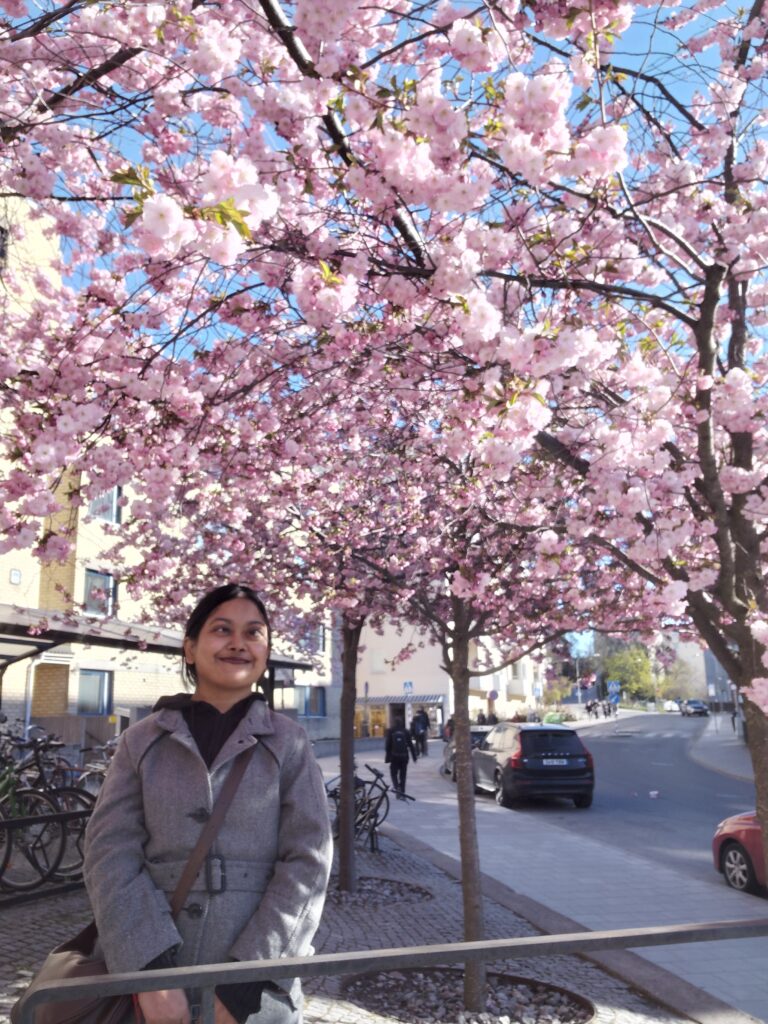
Srishti Dasgupta
Stockholm, Sweden
Srishti is a master’s student in Urban Planning in Stockholm, with a background in architecture and urban environmental management. Having lived and studied in Kolkata and now living in Stockholm, she has experienced two very different urban environments and climates. These experiences have shaped her curiosity about how cities respond to environmental challenges and how urban planning influences people’s everyday lives.
Srishti joined the URBAN HEAT pilot to explore how different urban conditions influence heat exposure, how communities experience heat, and how we can develop more resilient and equitable urban environments through interdisciplinary research and practical interventions. She looks forward to learning from the pilot, contributing her perspective as an urban planning student, and exploring how spatial analysis and design can support climate adaptation.
United Kingdom
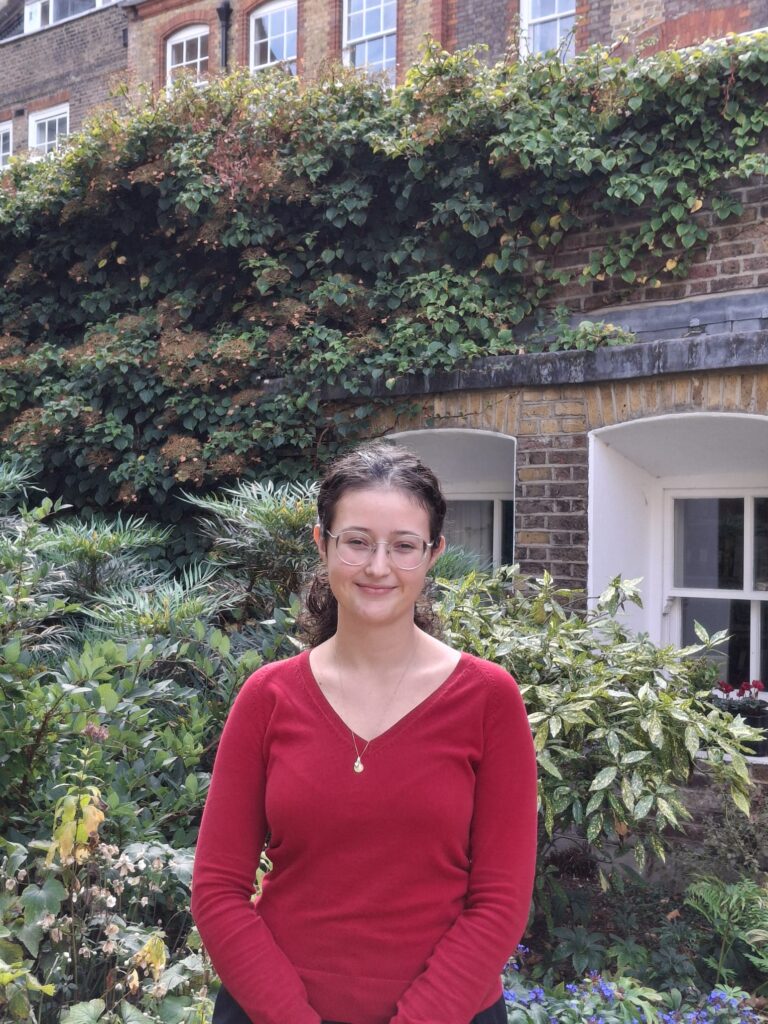
Emma Nolan
London, UK
Emma is a second-year BA Geography (with Spanish) student at the London School of Economics and Political Science. She has become increasingly interested in how cities can respond to urban heat in a way that equitably distributes the burdens and benefits of climate adaptation, and in the questions this raises about who gets to shape urban spaces. She wrote to Pedestrian Space that “I recently came across a short piece on your website, ‘The Humble Neighbourhood Park’. I found the argument that accessible public spaces should be prioritised in urban development compelling. It made me think about how relatively small green spaces still play a critical role in adaptation to urban heat. My local park is currently undergoing construction work to improve its resilience to climate change, as extreme weather has made it prone to flooding over the last few years. I am keen to develop more experience in environmental and urban research, building on what I have learned through hands-on volunteering experiences in river restoration.“

Yiheng Ye
London, UK // Wenzhou, China
2026 Intern
Yiheng is a student in the Sustainable Built Environment, Energy, and Resources programme at UCL in London. His academic background is in developing sustainable cities through the perspectives of environmental and social sustainability, with a specialization in building energy and urban climatology. With his work in the ‘Global URBAN HEAT Media Lab’, he plans to gather perspectives on urban heat and its effects on mobility and lived experience in East Asian geographical contexts, which presents the need for unique and localized solutions to the effects of extreme urban heat.
Read more about Yiheng’s work during his Pedestrian Space internship here: https://pedestrianspace.org/tag/yiheng-ye/
USA
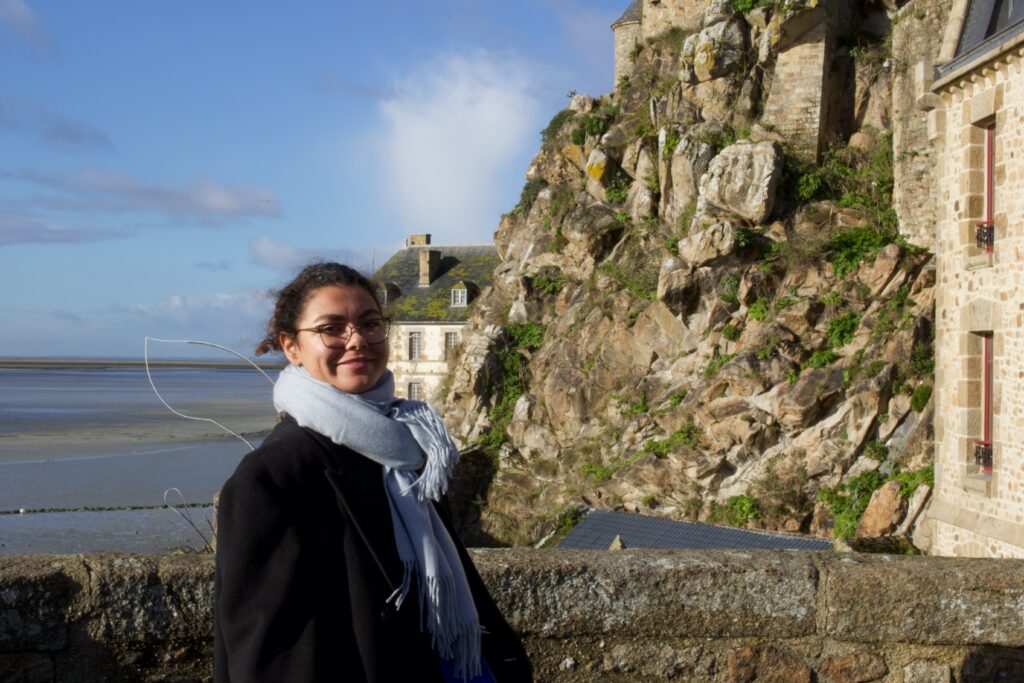
Eva Chauveau
Atlanta, Georgia, USA
2026/27 Intern
Eva is an Urban Planner in Atlanta, Georgia, and an MSc student in Global Development at the Georgia Institute of Technology. She has been specifically focusing on urban heat in the Metro Atlanta area and is working on an Urban Heat Mitigation and Action Plan for DeKalb County and views the network as an amazing learning opportunity to better understand how to
synthesize strategies for regions facing an urban heat crisis.
Read more about Eva’s work during her Pedestrian Space internship https://pedestrianspace.org/tag/eva-chauveau/
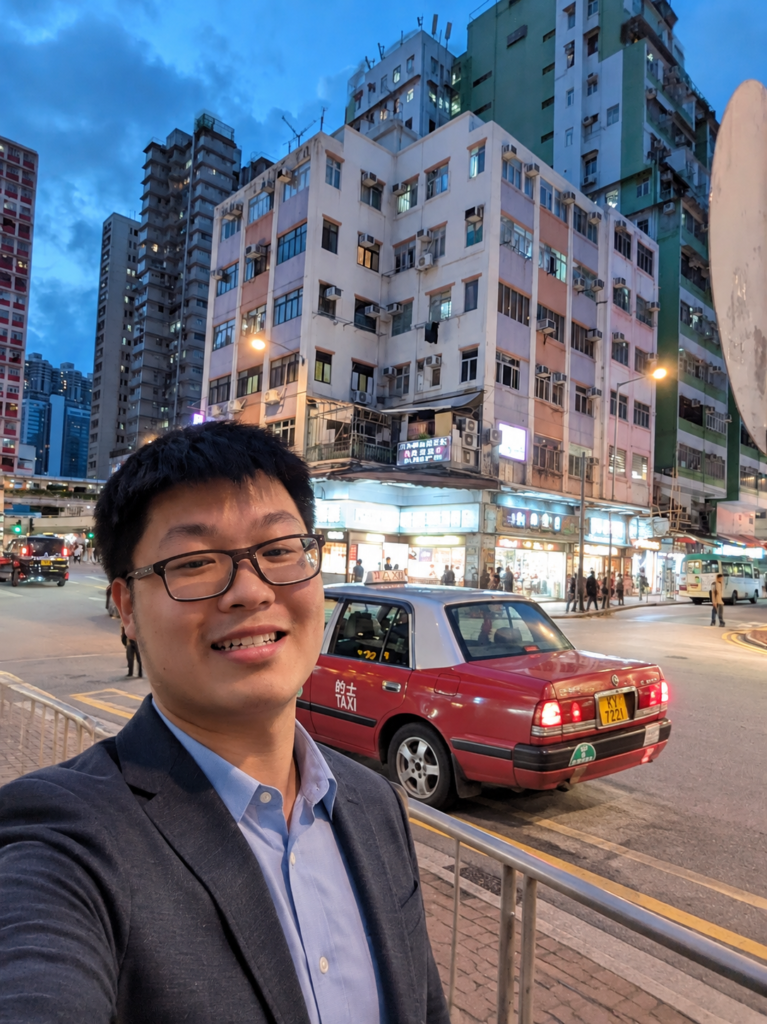
Bryant Leung
Irvine, California, USA
Intern
Bryant is an undergraduate student in Urban Studies at the University of California, Irvine, with academic and professional interests in sustainable urbanism, urban design, climate resilience, and the relationship between the built environment and public well-being. His work examines how planning and design interventions can reduce exposure to extreme heat, strengthen climate adaptation, and create more equitable, livable communities—particularly in Southern California and other rapidly urbanizing regions.
Through the Global URBAN HEAT Media Lab, Bryant intends to investigate how extreme urban heat is experienced in everyday life and how those experiences vary across neighborhoods, social groups, and geographic contexts. He aims to document the connections among urban form, mobility, access to shade and cooling, housing conditions, and environmental inequity, while communicating these findings through accessible visual and media-based storytelling. Ultimately, he hopes the lab will help him develop a stronger foundation for graduate study in architecture and planning and contribute to locally grounded design and policy strategies that make cities cooler, healthier, and more resilient.
Read more about Bryant’s work during his Pedestrian Space internship here: https://pedestrianspace.org/tag/bryant-leung/
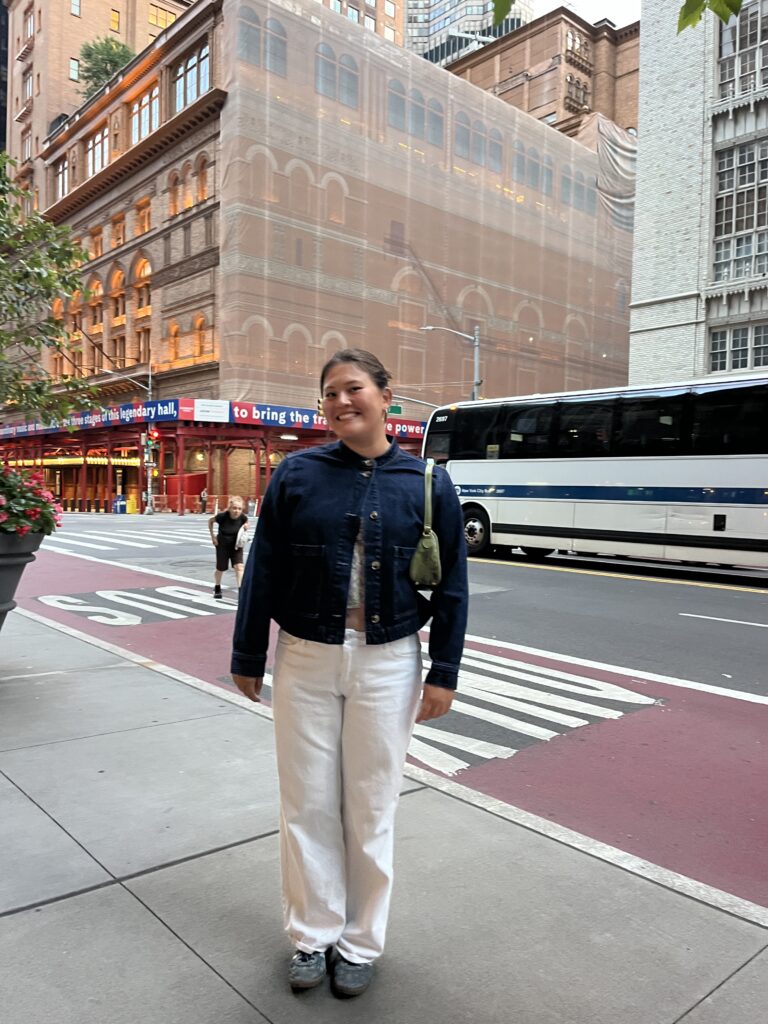
Julia Reich
New York City, New York, USA
2026/27 Intern
Julia is a master’s student at Columbia Climate School, where her focus is on climate adaptation and mitigation measures, such as public transportation implementation. For her internship with the Global URBAN HEAT Media Lab, she will be analyzing urban heat through a public transportation lens, incorporating elements of environmental justice, shaping awareness of how and what infrastructure can help reduce the harms of extreme heat, and analyzing previous NYC/NYS policy on reducing extreme heat compared to the current administration. She is also interested in creating auto-ethnographies of heat in specific NYC neighborhoods.
Read more about Julia’s work during her Pedestrian Space internship here: https://pedestrianspace.org/tag/julia-reich/
MEDIA LINKS
- Main Project Page: https://pedestrianspace.org/global-urban-heat-media-lab/
- Network Page:
- Urban Heat Beat (Video Content): https://pedestrianspace.org/the-urban-heat-beat/
- Substack: https://substack.com/@globalurbanheatmedialab
- Instagram: https://www.instagram.com/urbanheatmedialab/
- LinkedIn: https://www.linkedin.com/company/urban-heat-media-lab/