By Yuliia Polozova
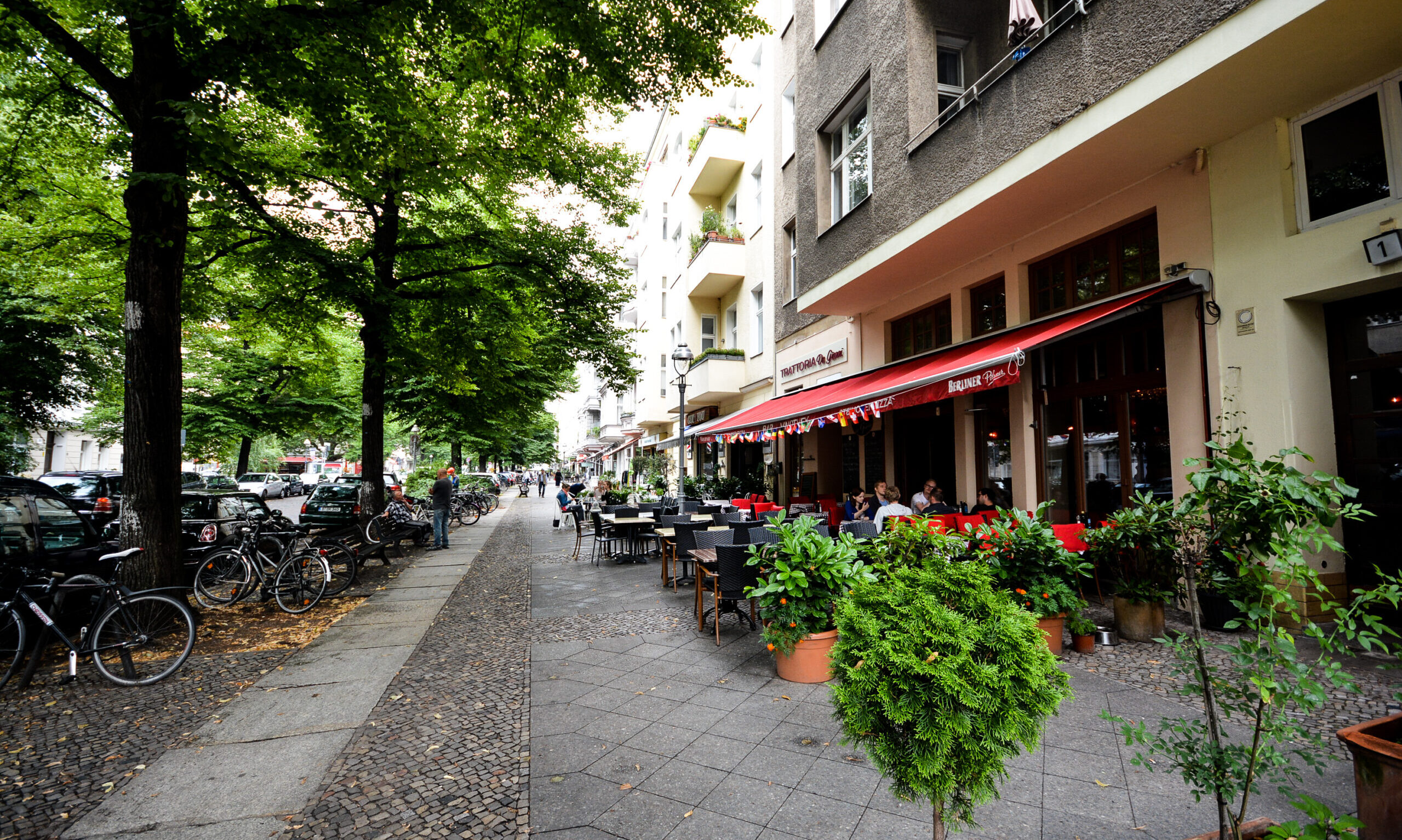
Extreme heat is becoming harder to ignore as heatwaves become more severe and increasingly frequent in cities these days (Western Europe Has Hottest June on Record, 2026). Additionally, greenhouse gases, loss of urban greenery, and concrete surfaces hold onto heat, which can make already hot days feel even hotter (Andoni & Wonorahardjo, 2018). So, how do cities adapt?
Surviving a day in a city during extreme heat
As temperatures rise, even simple interventions can make a big difference. These are actions taken by both cities and residents to provide immediate relief and keep public space comfortable and accessible, even during heatwaves.
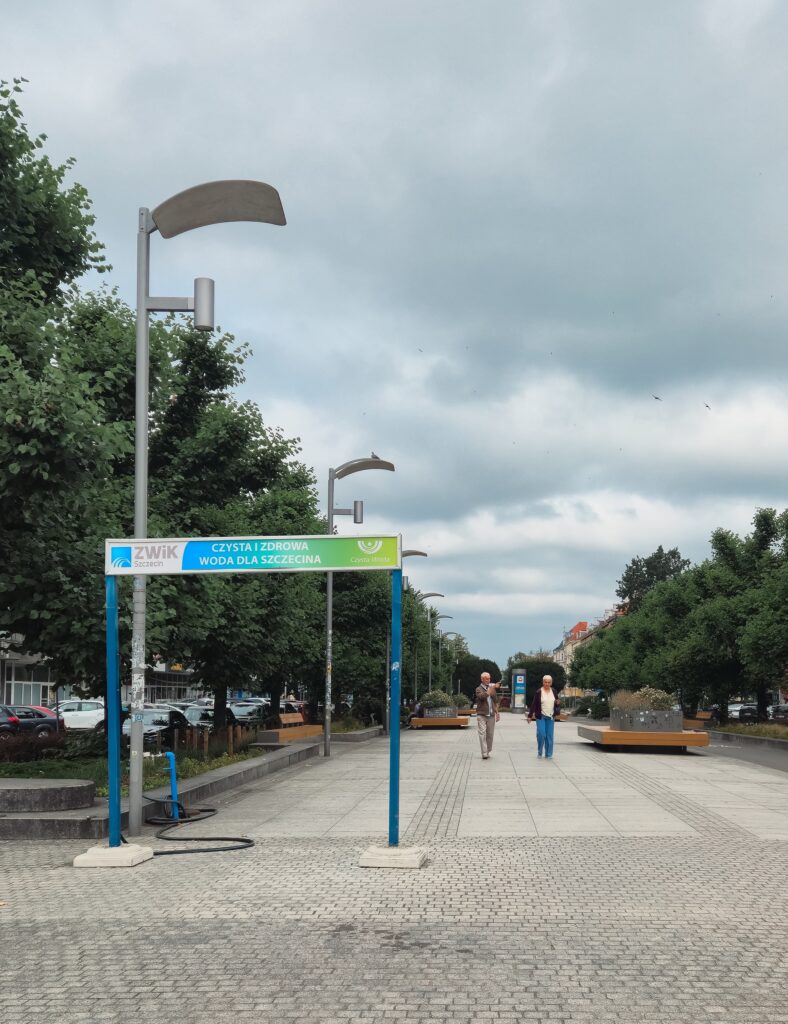
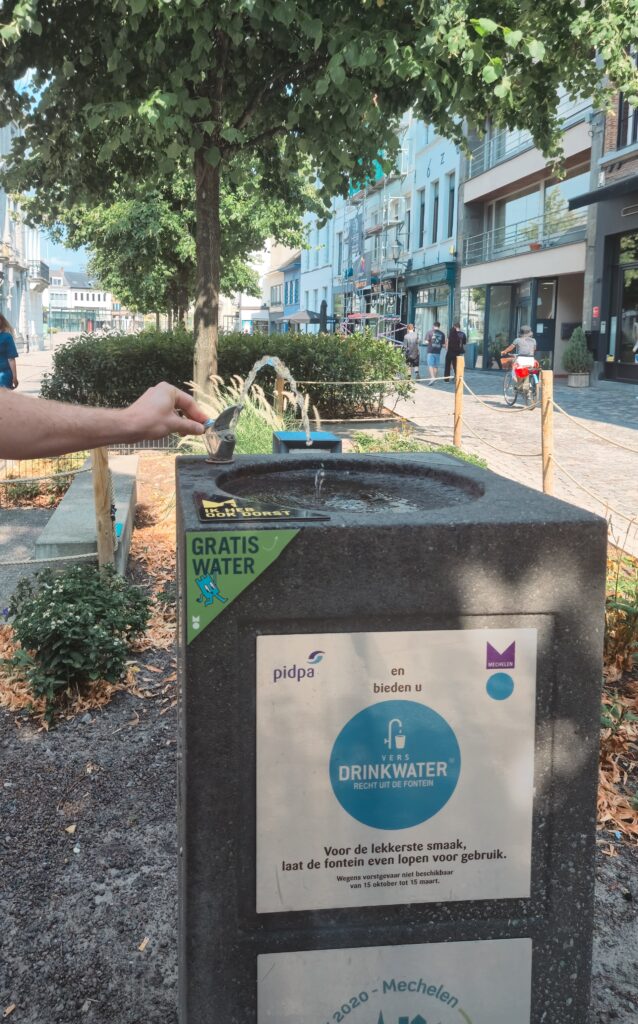
In Szczecin, misting gates and public drinking fountains offer a chance to cool down without interrupting a walk through the city. Placed in busy squares and along most-used pedestrian routes, they ensure that relief is available where people are most likely to need it.
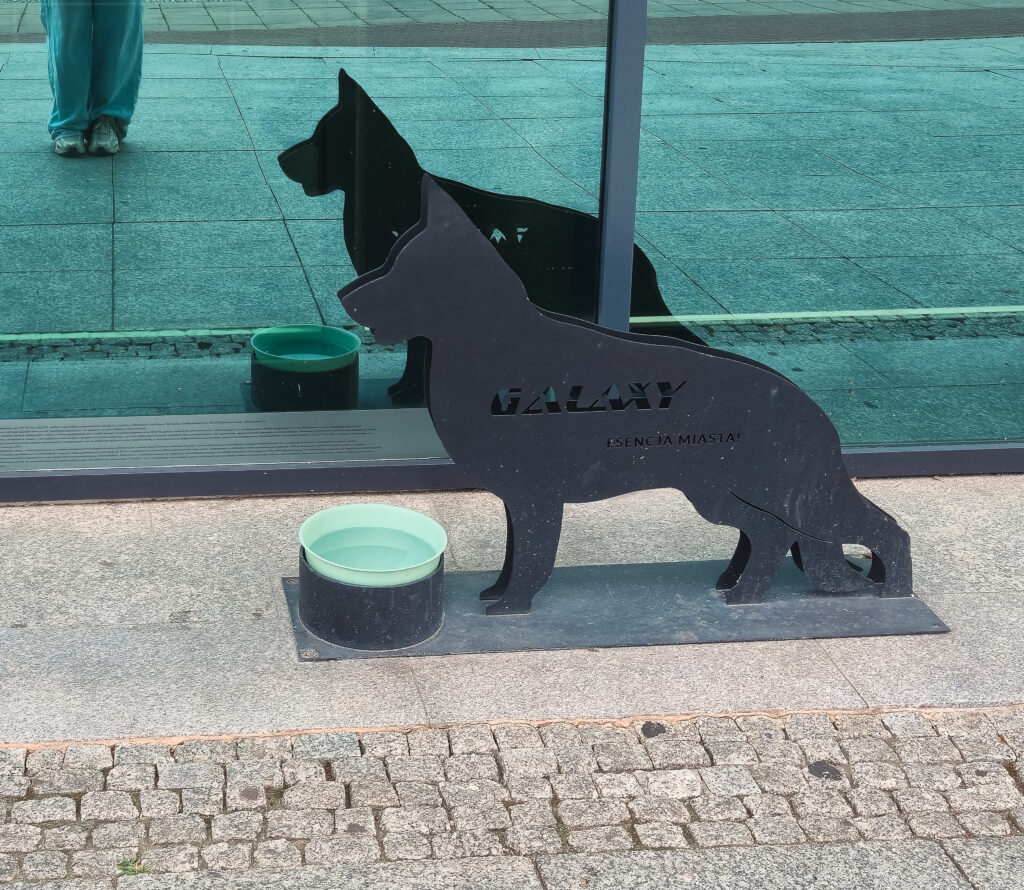
But not only people need water during high temperatures. Water bowls outside homes or businesses serve as a reminder that public spaces are shared with more than just people. Providing access to drinking water for people and animals during the hottest days is perhaps one of the simplest, yet most effective ways to improve comfort during extreme heat.
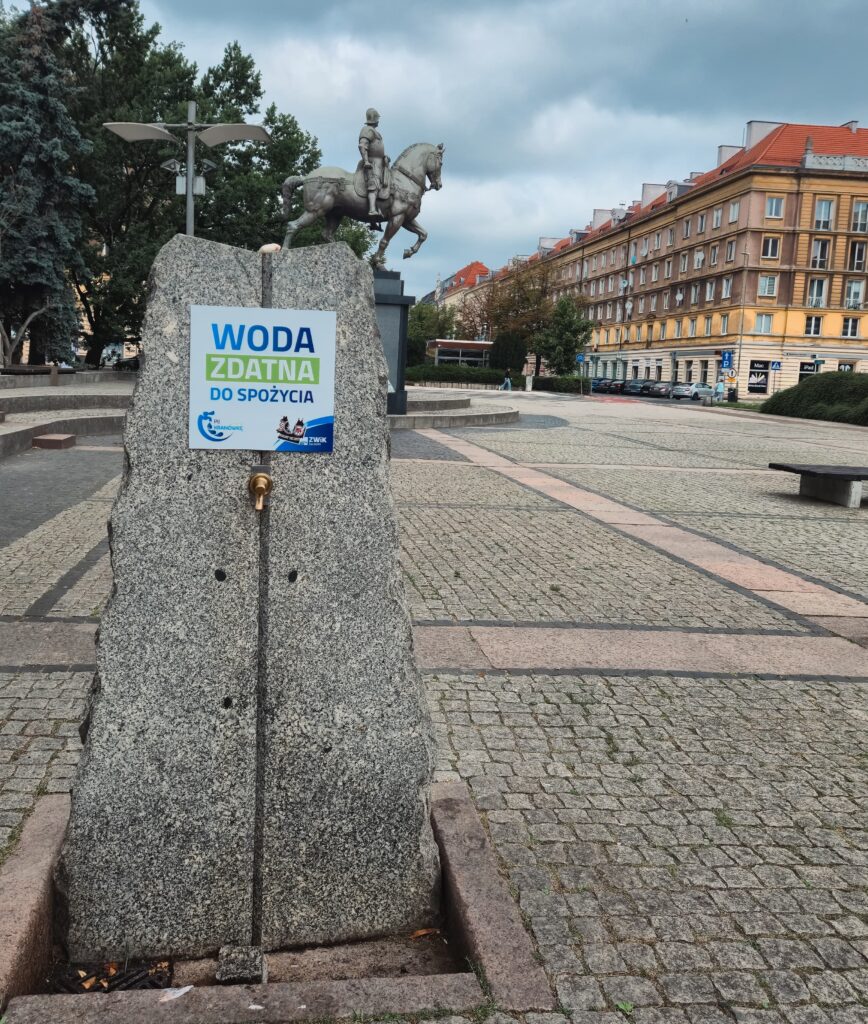
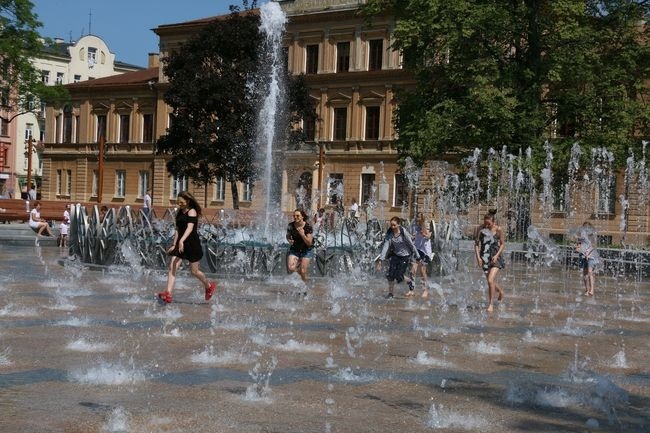
Sometimes, however, the city doesn’t need to build anything new. Existing blue infrastructure could take on a new role during a heatwave. Fountains become places where people can cool off and let children and four-legged friends play safely. In Poland, this has long been an informal way of adapting to hot weather, with residents naturally claiming fountains as more than just decorative pieces.
Brussels has taken this one step further by actively encouraging people to use existing blue and green infrastructure during heatwaves. Through an interactive map of urban cooling islands, the city presents fountains, shaded spaces, drinking water points, and other parts of the city where people can escape the heat. (Huppe, 2026). View the map here.
Stopping cities from overheating
A bigger challenge is preventing cities from overheating. Temporary measures provide short-term relief, but they do not solve the underlying problem. That is why many cities are beginning to rethink how public spaces are designed.
Szczecin has been approaching this challenge through its climate change adaptation plan (Plan Adaptacji do Zmian Klimatu dla Miasta Szczecin), adopted in 2019. The strategy was developed after identifying heatwaves and the urban heat island effects as some of the city’s most significant climate risks, among others. Its main objective is to increase the city’s resilience by combining technical, organisational, and educational measures that reduce vulnerability to climate change. (Instytut Meteorologii i Gospodarki Wodnej Państwowy Instytut Badawczy & Urząd Miasta Szczecin, 2019)
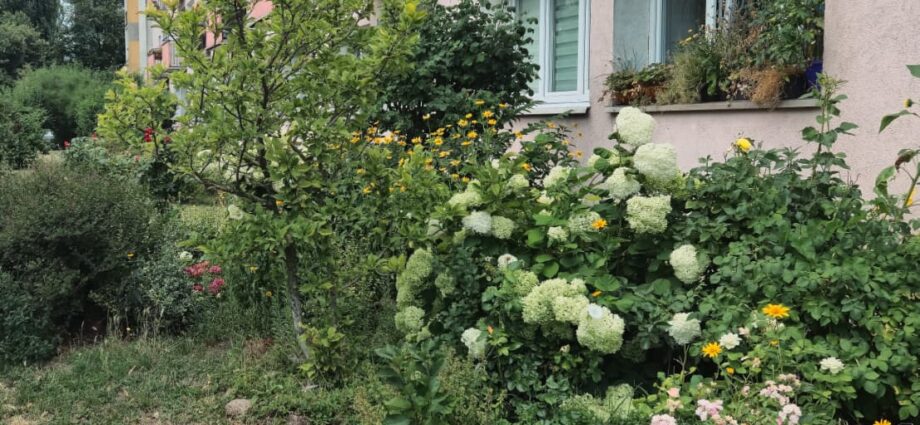
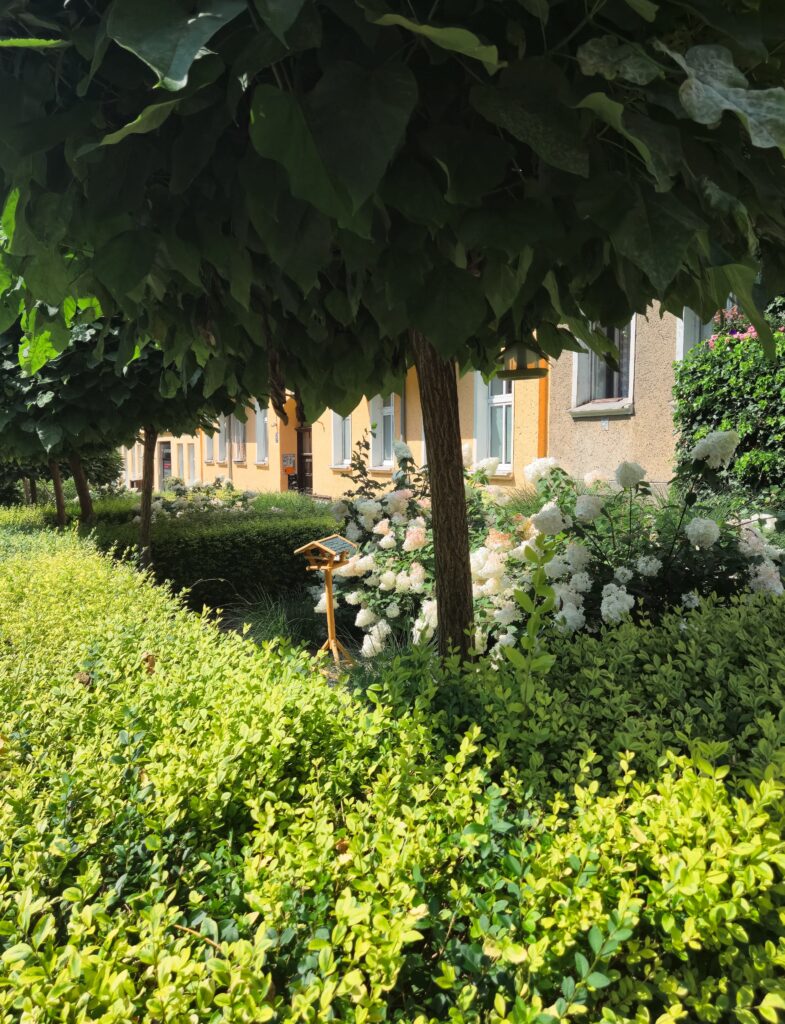
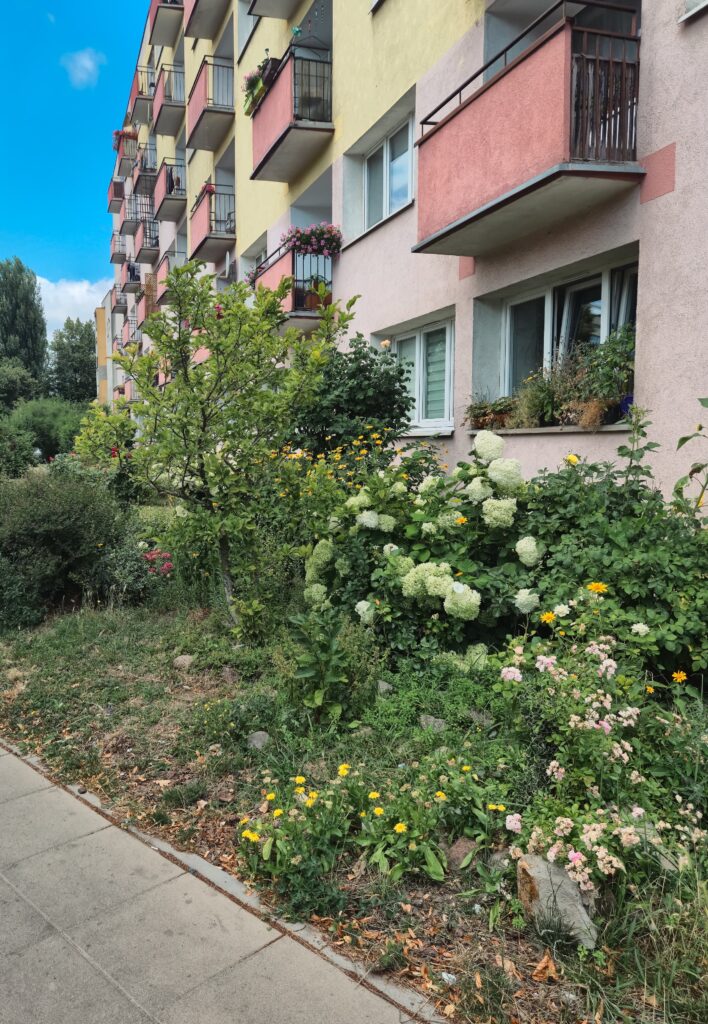
But what does that actually look like outside of the document? One example that can be seen across Szczecin is the Green Courtyards and Front Gardens (Zielone Podworka i Przegrodki). The initiative supports residents in turning paved and neglected courtyards into greener places. Trees, shrubs, flower beds, and permeable surfaces reduce heat accumulation in addition to creating a space that is both visually and physically pleasant for people (Wesley, 2026; Vujovic et al., 2021).
Climate action can be fun
Fighting against urban heat often takes the form of regulations, engineered solutions, or large investments. Though sometimes all it takes is awakening a little competitive spirit.
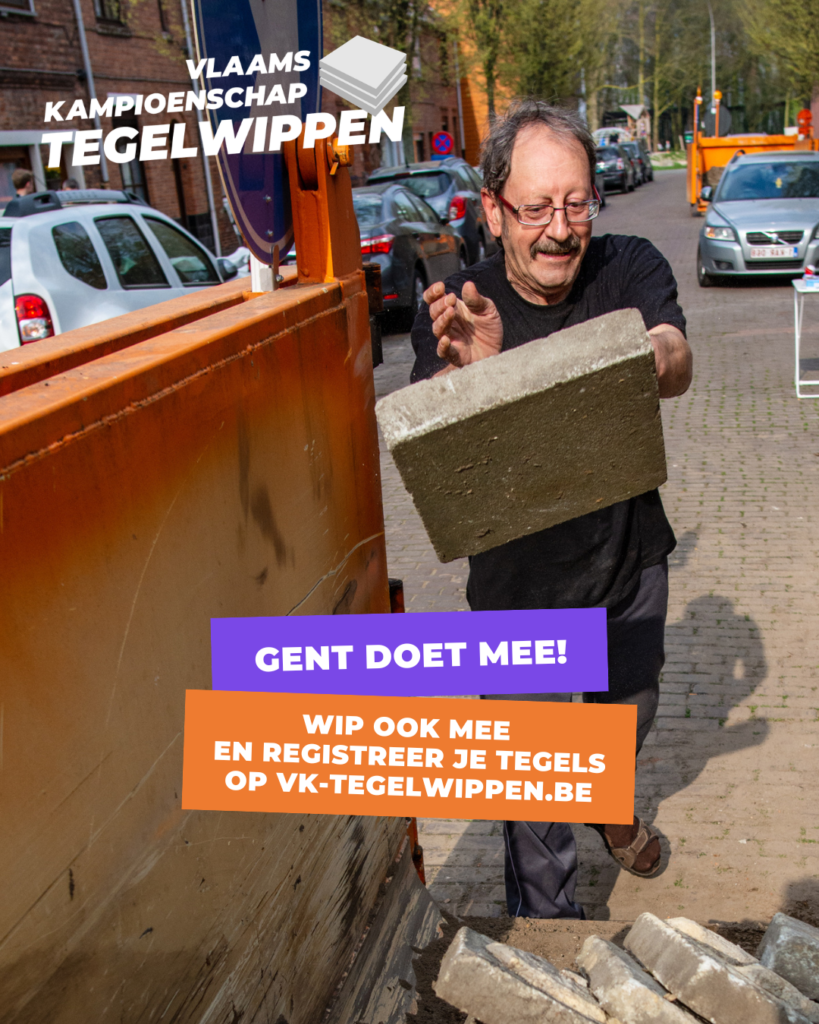
That is precisely the idea behind the Flemish Tile-Flipping Championship (Vlaams Kampioenschap Tegelwippen). The initiative gamifies the replacement of unnecessary paving with greenery, turning it into educational play and social engagement. The competition extends beyond local governments. Residents, schools, and organisations are all encouraged to take part by replacing concrete tiles with plants, whether in a private backyard or public space.
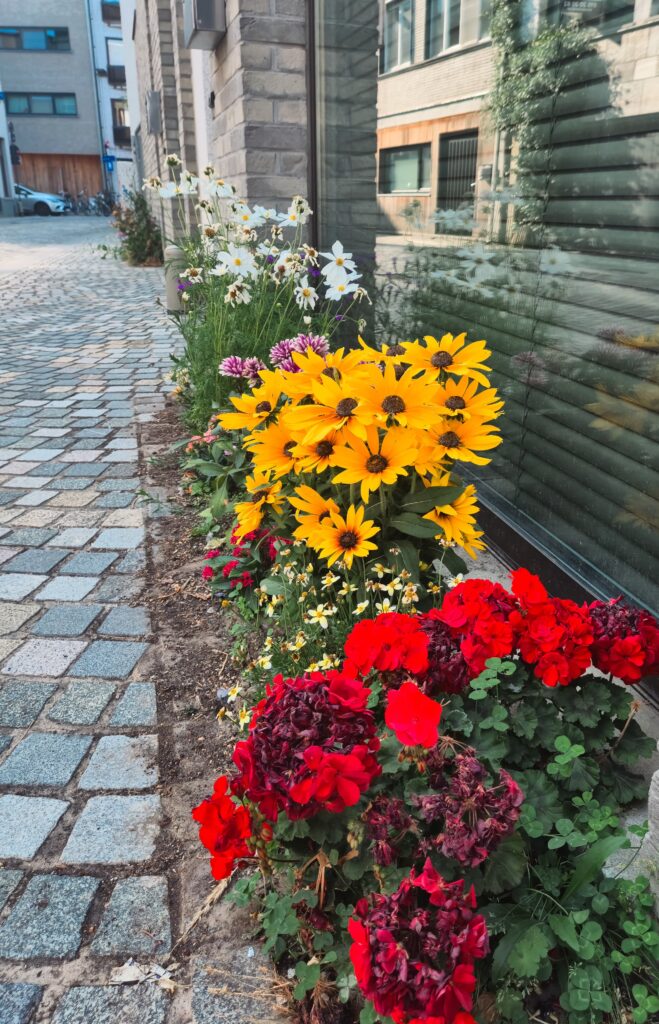
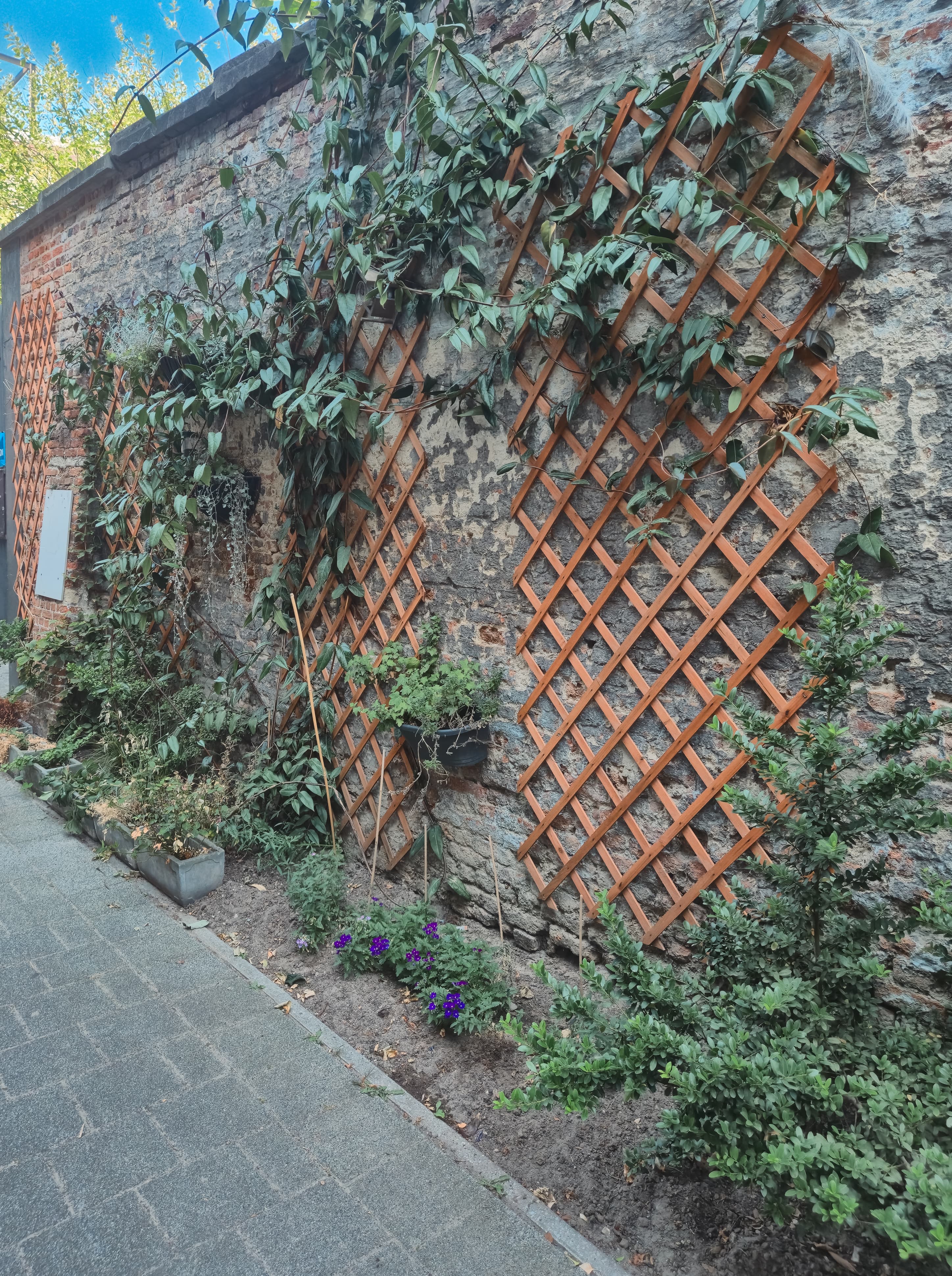
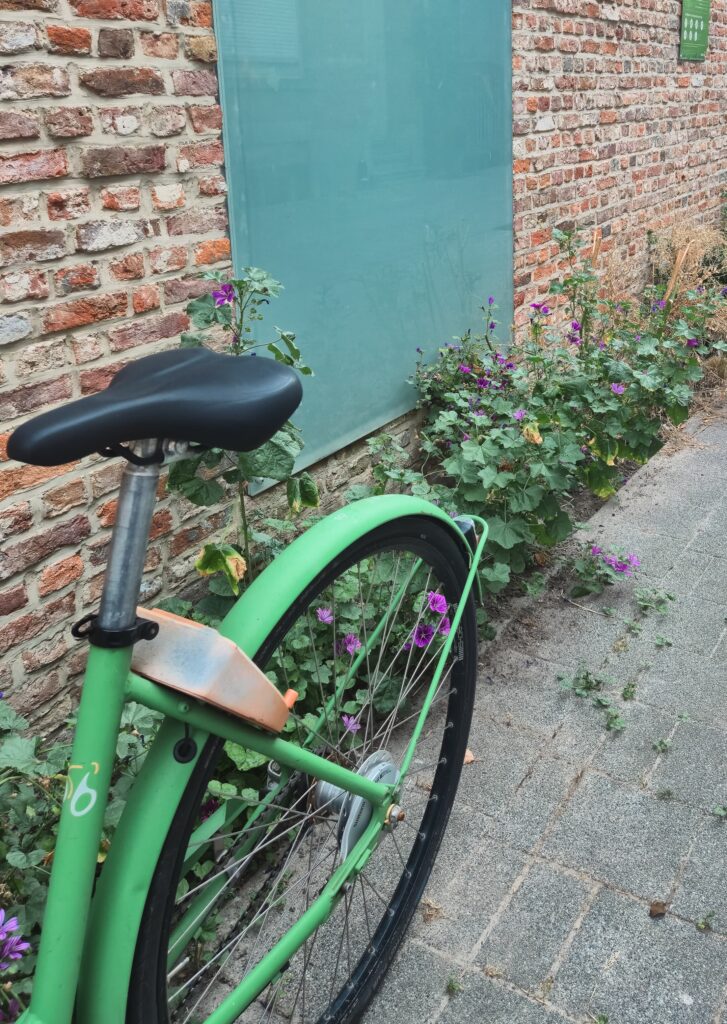
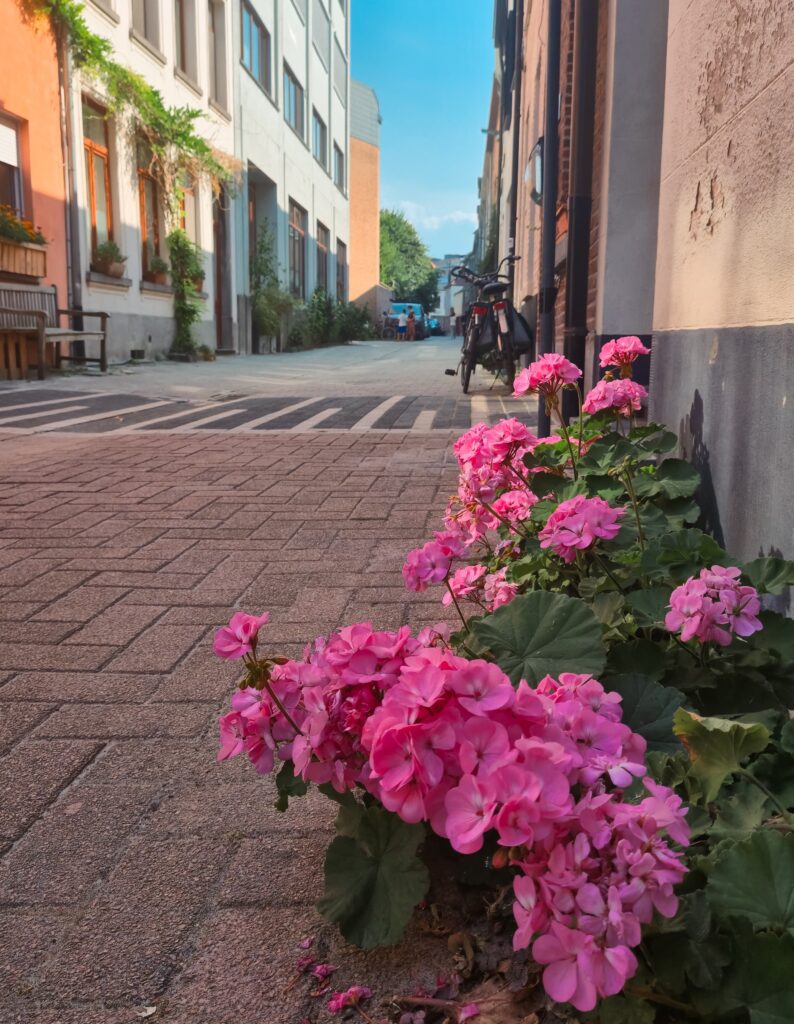
Every removed tile contributes to a public tile counter, allowing municipalities to compete against one another. The participants also compete for the title of Tile Flipper of the Month in several categories. Notably, small towns have taken the competition very seriously and delivered incredible results this year! Flanders as a whole can be proud of 7,145,198 tiles flipped in total.
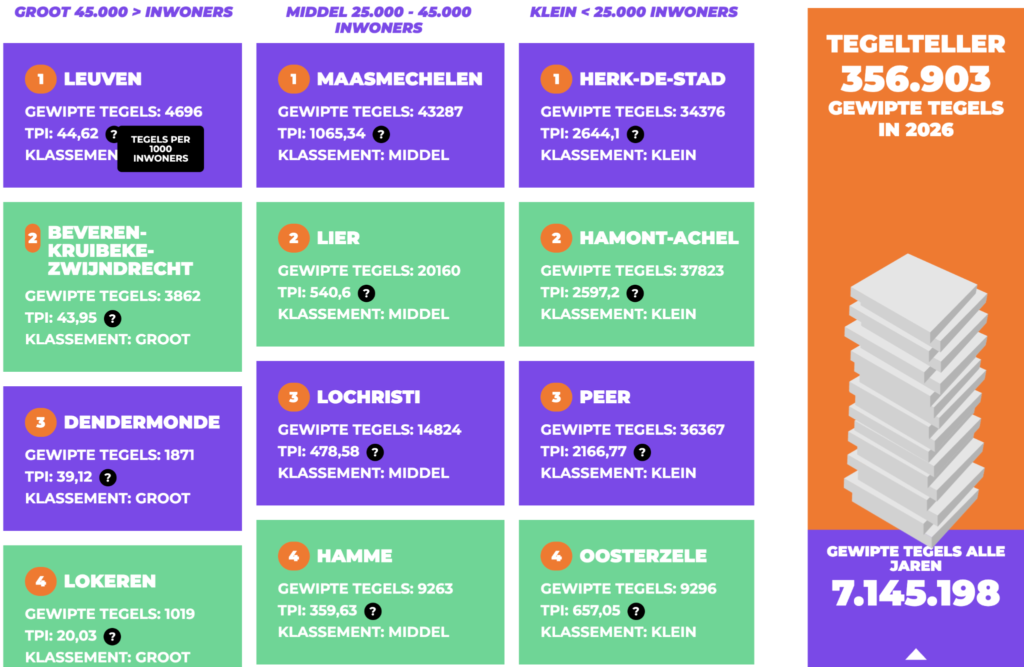
Municipalities are encouraged to make participation as easy as possible by organising tile taxis to collect removed paving or providing technical advice. In this instance, climate adaptation becomes a collective effort where every removed tile is a part of a visible, measurable change.
Temporary action for permanent change
But when the direction for change in urban temperatures is not so obvious, the physical equivalent of brainstorming can help.
Mechelen’s Walking Forest (Wandelend Bos) turned Veermarkt square, and a little more, into a temporary green resting place using movable trees and planters. Permanently planting trees in the historic square presents a challenge that requires time, investment, and extensive reconstruction due to underground parking. That, however, does not mean that residents cannot experience the square as a greener and cooler public space while a long-term solution is being developed.
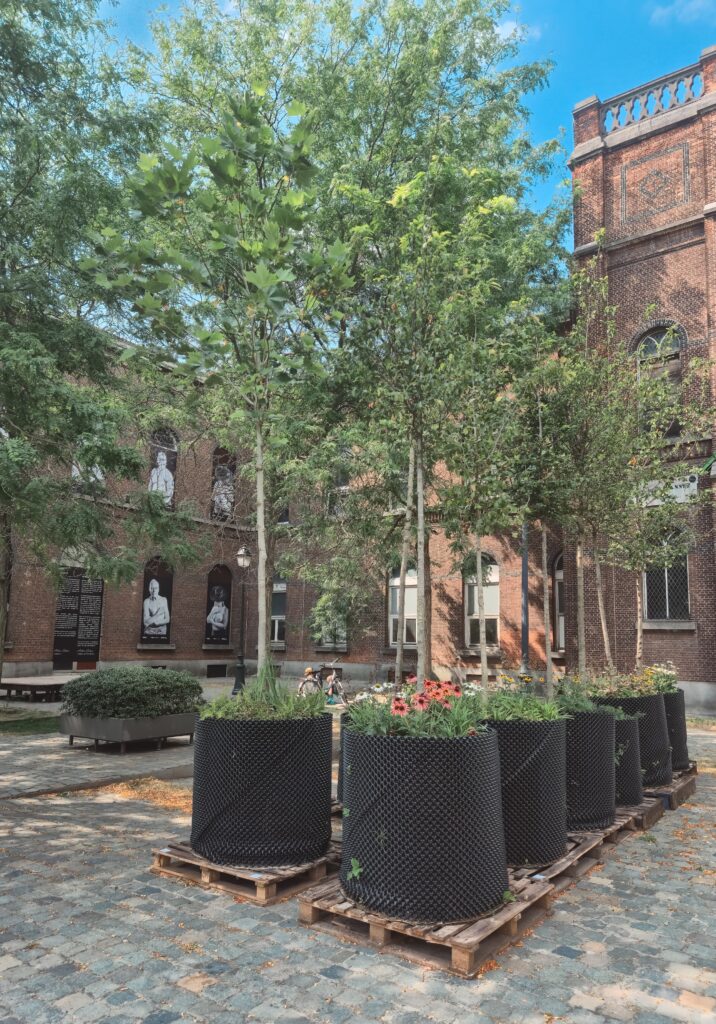
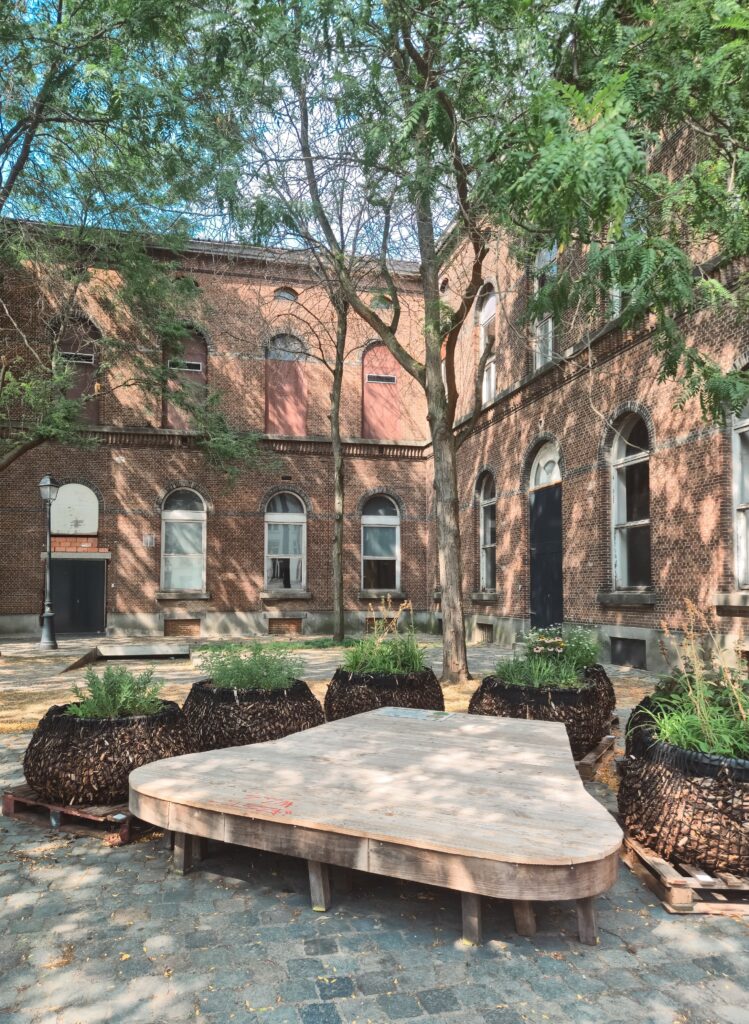
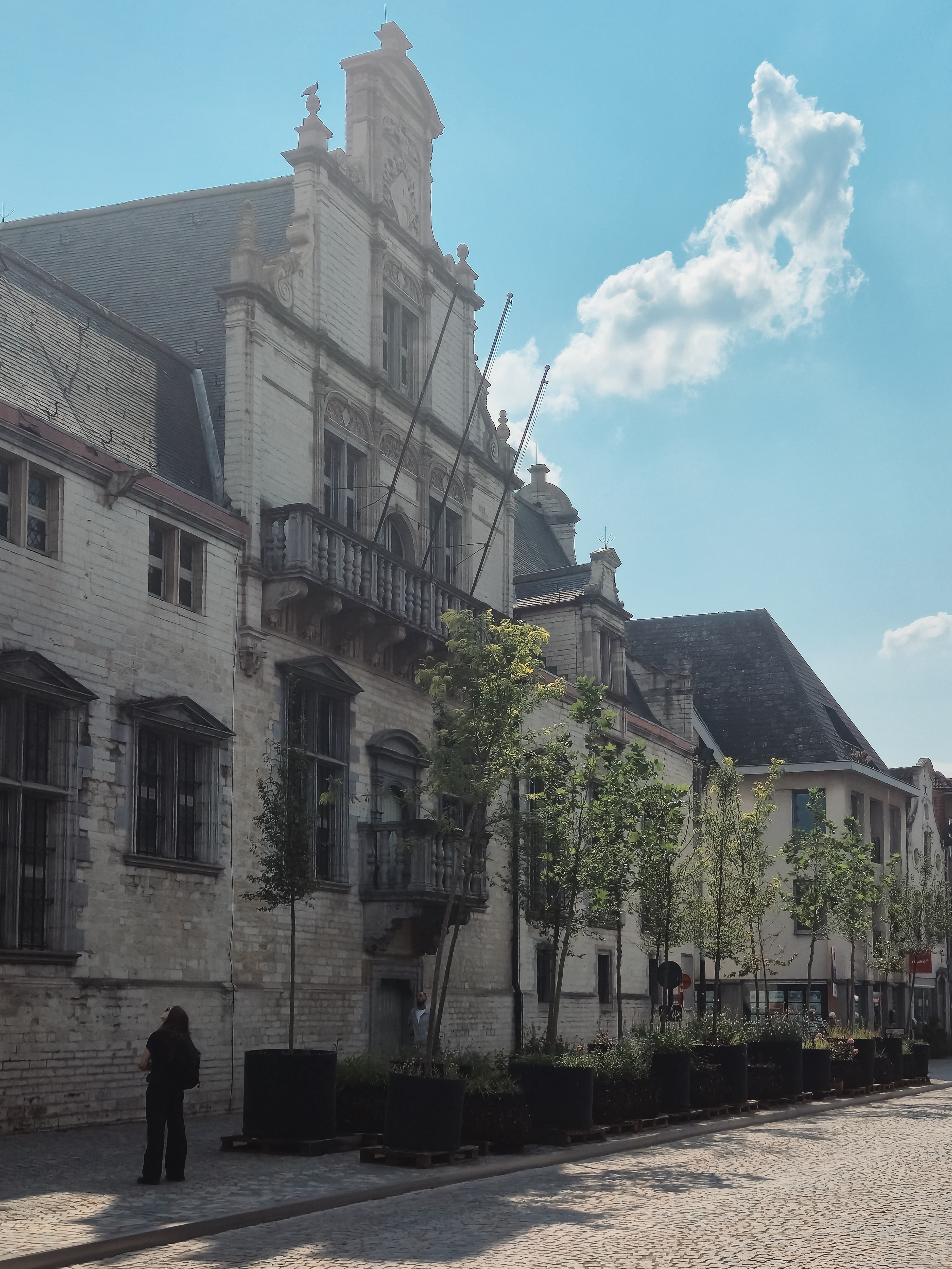
Street experiments aim to reduce uncertainty before major investments are made. They allow cities to test ideas in real conditions, understand how people use the space, and brainstorm solutions for sites with unique constraints. In places like Veermarkt, recurring seasonal interventions could provide shade and improve comfort during the hottest months, while also giving the city the time needed to smoothly transition into a permanent solution.
Climate adaptation comes in many forms, and it does not have to look the same everywhere. From the smallest interventions to long-term urban change, every step plays its part in making cities more heat-resilient.
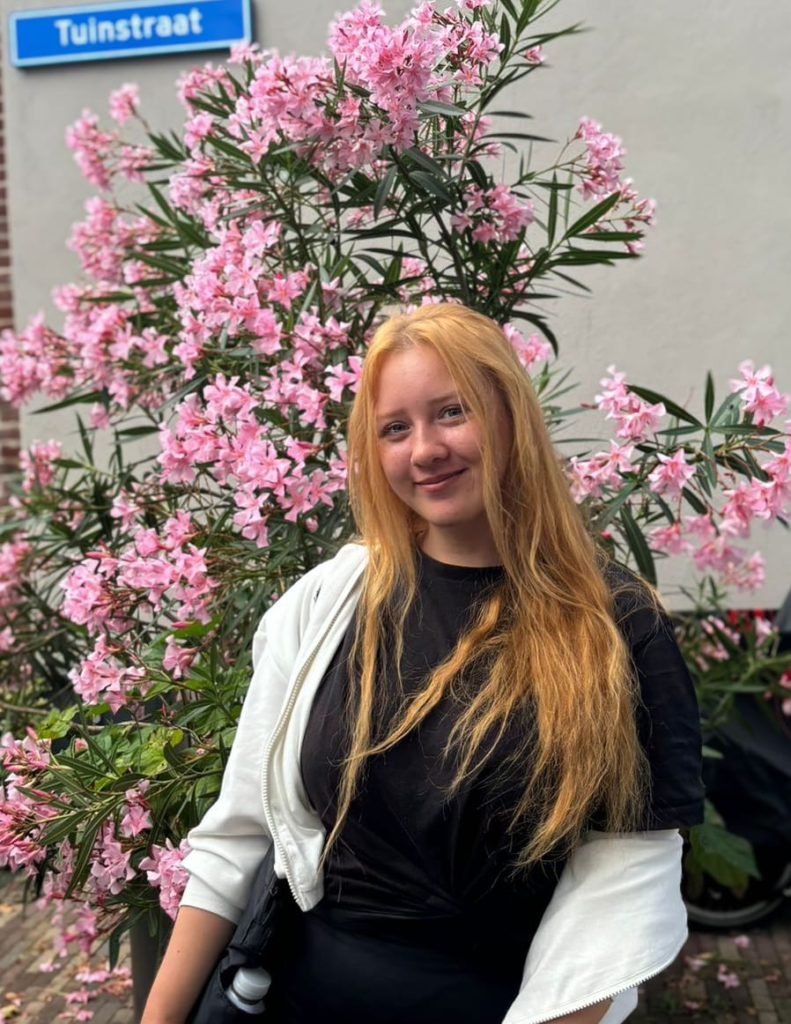
Yuliia is a master’s student within the EIT Urban Mobility Master School program, pursuing her internship with Pedestrian Space in Spring and Summer 2026. Having lived in several different countries, she has developed a growing curiosity about how public space is experienced and understood across different local contexts. Her internship at Pedestrian Space focuses on observing the ways in which people interact with public space during daily life and how storytelling influences the way urban innovations are perceived and discussed.
Yuliia’s current thesis work is focused on understanding the communication of urban changes in Poland as they unfold and the ways in which those contribute to the broader conversation around urban mobility in Europe.
Read more about Yuliia’s work during her Pedestrian Space internship. here: https://pedestrianspace.org/tag/yuliia-polozova/
References
1. Andoni, H., & Wonorahardjo, S. (2018). A review on Mitigation Technologies for Controlling urban heat island Effect in housing and settlement areas. IOP Conference Series Earth and Environmental Science, 152, 012027. https://doi.org/10.1088/1755-1315/152/1/012027
2. Duchowski, R. (2026, June 24). Upały w Szczecinie. Dodatkowe słupki zraszające i miejskie poidełka już działają. Wiadomości Szczecin. https://wiadomosci.szczecin.eu/artykul/mieszkancy/upaly-w-szczecinie-dodatkowe-slupki-zraszajace-i-miejskie-poidelka-juz-dzialaja
3. Huppe, L. (2026, June 25). Parks, swimming pools and drinking fountains: here’s where to cool off in the capital. Brussels Times. https://www.brusselstimes.com/2206731/parks-swimming-pools-and-drinking-fountains-heres-where-to-cool-off-in-the-capital
4. Instytut Meteorologii i Gospodarki Wodnej Państwowy Instytut Badawczy & Urząd Miasta Szczecin. (2019). Plan adaptacji do zmian klimatu dla Miasta Szczecin (No. 20311335-E80B-49CC-82D2-7843AF94BC38). https://bip.um.szczecin.pl/files/C5ACE100C0794E8BA7D8A3AC65F1A723/MPA%20-%20DOKUMENT.pdf
5. Vujovic, S., Haddad, B., Karaky, H., Sebaibi, N., & Boutouil, M. (2021). Urban Heat Island: Causes, Consequences, and Mitigation Measures with Emphasis on Reflective and Permeable Pavements. CivilEng, 2(2), 459–484. https://doi.org/10.3390/civileng2020026
6. Wesley, E. J. (2026, April 17). Urban Trees: an underused tool for keeping people cool. World Resources Institute. https://www.wri.org/insights/urban-trees-cooling-potential
7. Western Europe has hottest June on record. (2026, July 9). World Meteorological Organization. https://wmo.int/media/news/western-europe-has-hottest-june-record