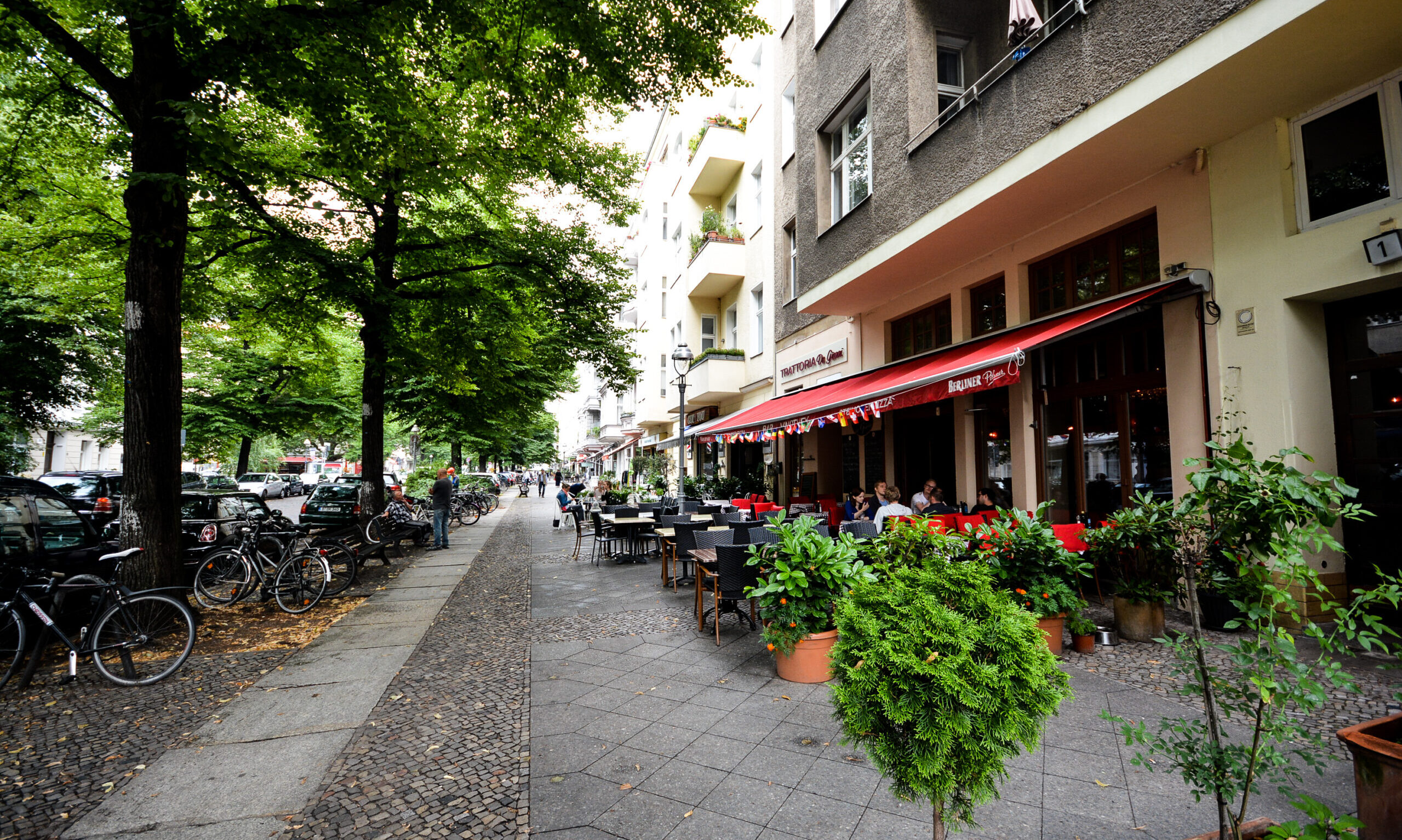
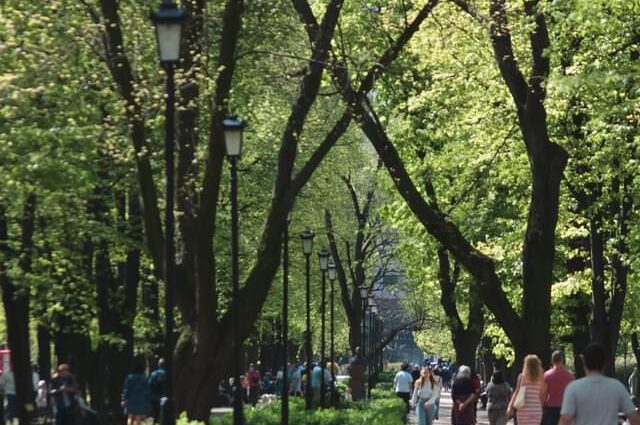
The humble neighborhood park.
These are not your grand city parks or parks that are seen as local destinations.
These are not the parks you might think about when you consider city heritage and identity.
But the humble neighborhood park is so practical and precious, and a network of such parks woven equitably through communities is part of a city’s environmental heritage and health.
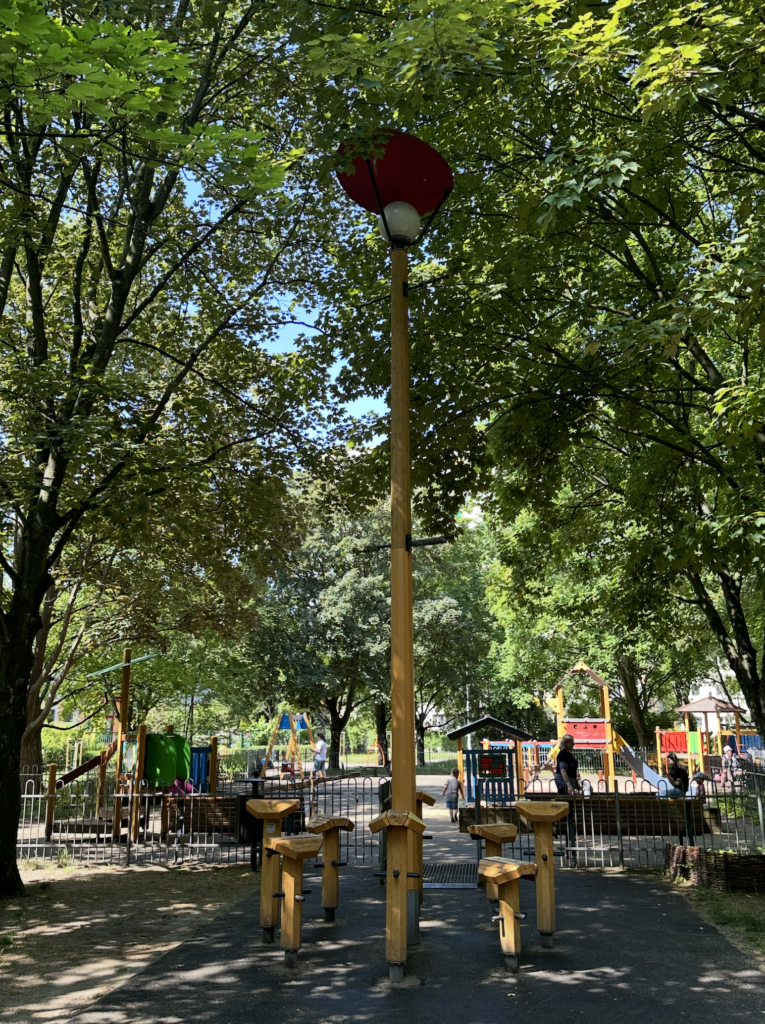
Many people (especially those with the flexibility and ability to whiz all over the city for leisure) don’t consider how significant the well-designed yet humble neighborhood park is.

I often reference such parks in my workshops and talks with people and sometimes will hear the response, ‘Oh that’s not a REAL park’.
These are indeed not your sprawling, impressive, and majestic urban parks, but they are important all the same and, in fact, critical in the face of a changing climate, hotter summers, and considering inclusive access to green space for ALL urban inhabitants.
If you spend any time in such a park and just take a moment to quietly observe the use of public space, you understand the great value of such space for local communities.
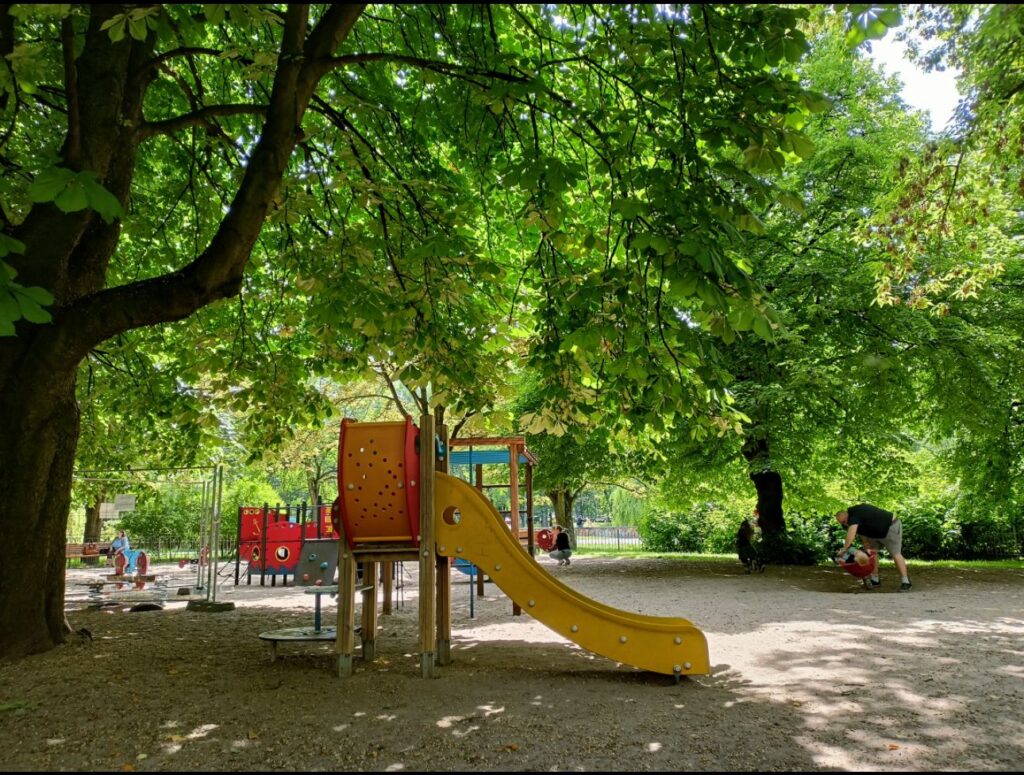

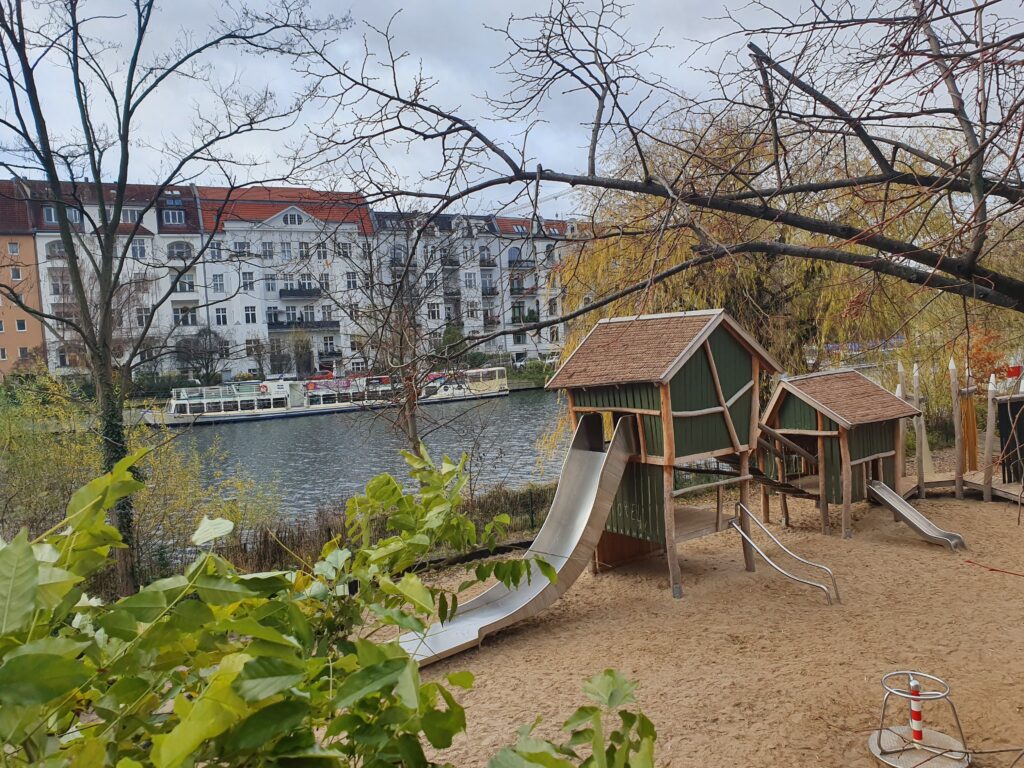
Consider youth having access to a nice playground near their home. Consider parents and caregivers of young children, also looking to let off some energy and spend some time outdoors close to home. Consider disabled people, specifically those with mobility issues, who might not have the ability to travel halfway across the city for some time in a park. Consider elderly and retired people, many of whom live very neighborhood-based lives and appreciate the opportunity for time in pleasant green and outdoor public space.
But really consider everyone.
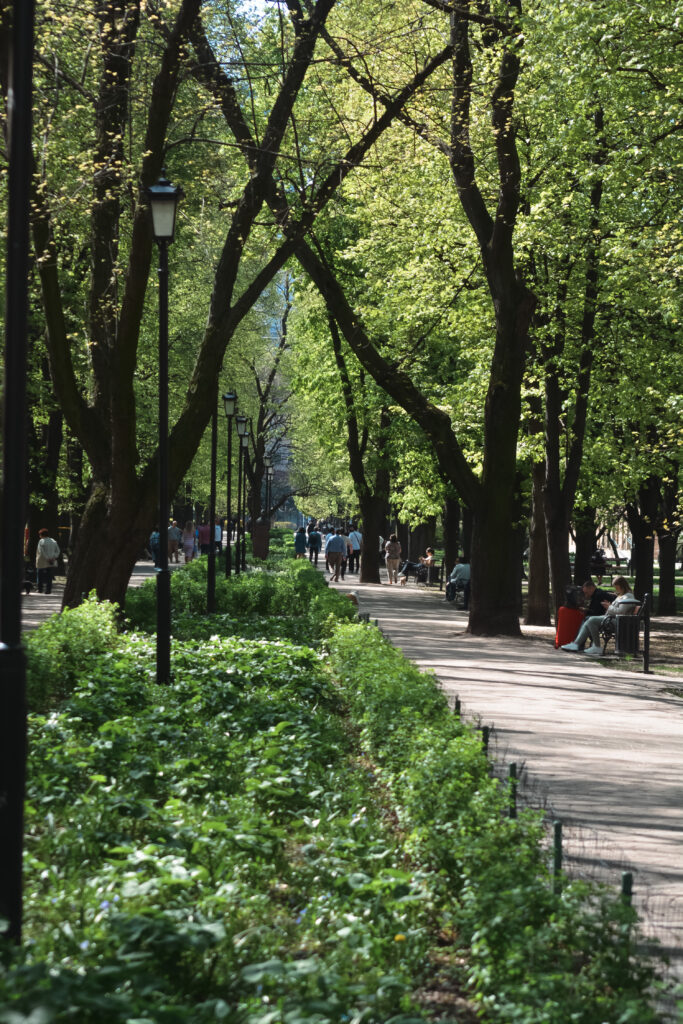
Inclusive, accessible outdoor public spaces should be an imperative in 21st-century urban development (should have also been in the 20th century). With issues of urban heat in particular challenging cities across the world, the value and important role of the humble neighborhood park cannot be overstated.