At Pedestrian Space, we are developing a primary and secondary (K-12) ‘Sustainable Urbanism & Planetary Health’ curriculum.
A significant motivator for curriculum development, and my own inspiration as coordinator for it, is rooted in inclusion.
A place that truly accommodates students, families, and educators alike to really take a deep breath and thrive, not just survive, in a classroom setting.
While there has been a push across many societies for ‘inclusive education’, many of us parents and families navigating different education systems directly experience the gaps – or worse, total failures – of the systems to accommodate children with different learning needs, as well as behavioral or other support.
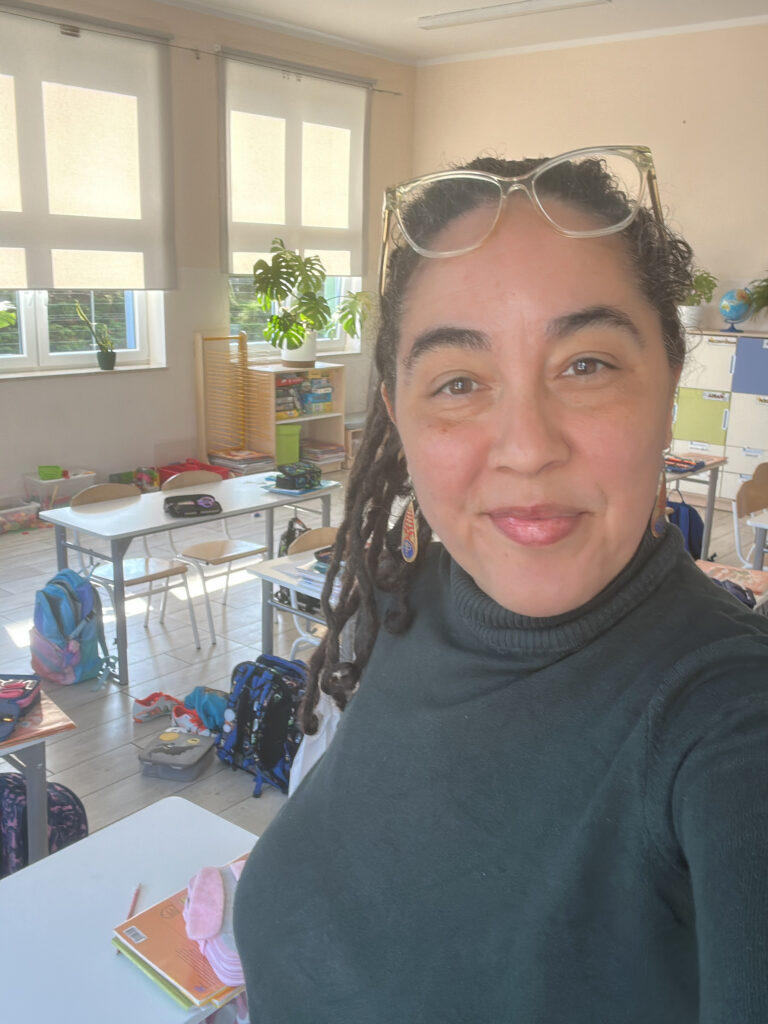
For my own experience as a parent to an autistic child, I often say that we don’t only ‘think outside the box’ or ‘live outside the box’. In our case, there is no box. That construct is long gone….
Inclusive education entails being thoughtful about how children who are not well accommodated in ‘mainstream’ environments can be better included.
The curriculum I am developing will always have both a philosophical and a practical aspect of engagement, specifically for children for whom ‘traditional’ school environments are very difficult to adjust to.
Inclusive education entails being thoughtful about how children who are not well accommodated in ‘mainstream’ environments can be better included.
I have daydreamed for some time about how satisfying it would be to create a program and learning space that is a place of solidarity, a lifeline to community and learning that truly connects with how different minds work and the different movement needs we have throughout the day. A place that truly accommodates students, families, and educators alike to really take a deep breath and thrive, not just survive, in a classroom setting.