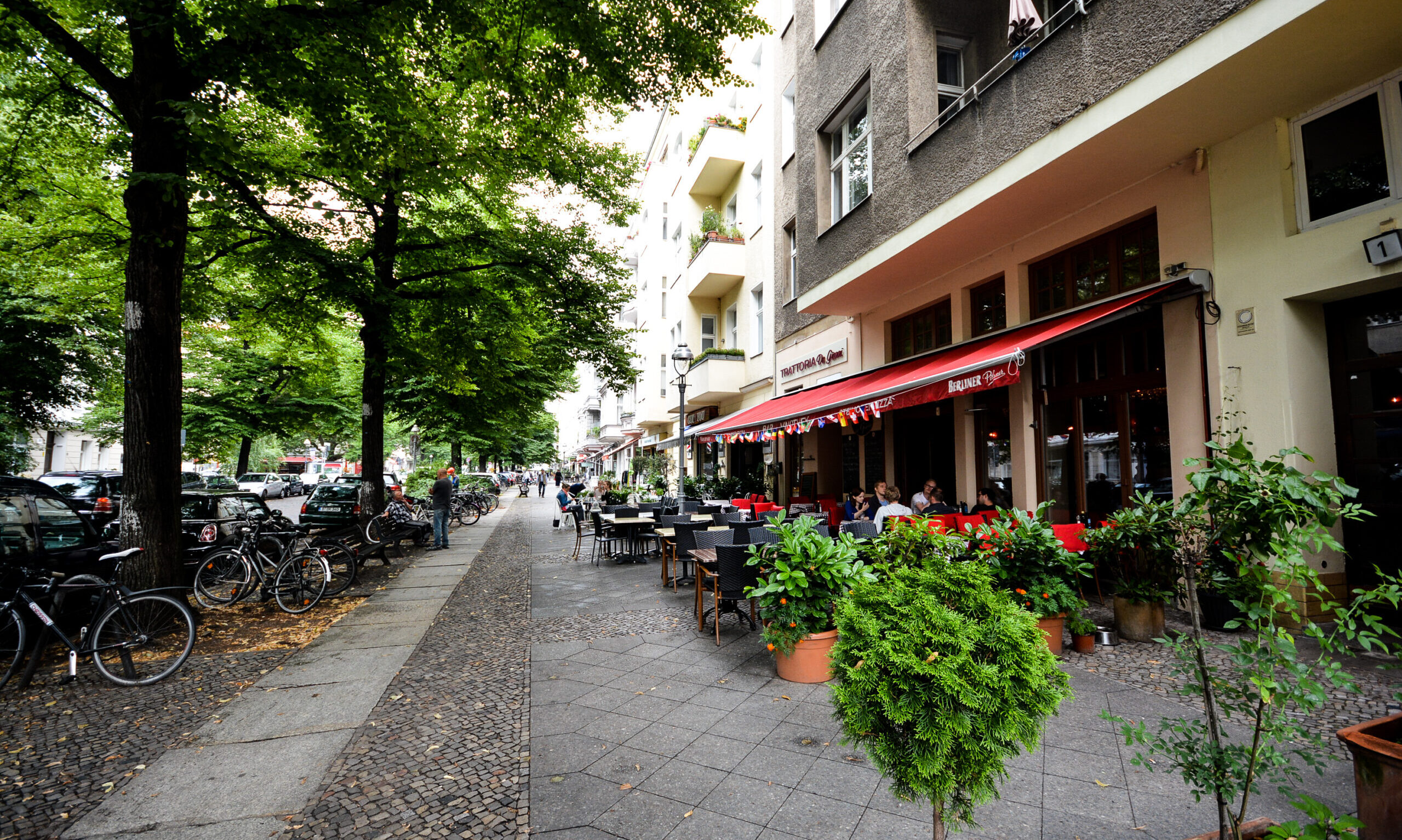

Nature is one of the 5 core thematic modules at the heart of the Pedestrian Space ‘Sustainable Urbanism & Planetary Health’ curriculum. Exploring the role of nature in sustainable urban development and urban resilience shapes the activities and learning connected to this module, including issues of biodiversity, local food growing, parks, gardens,, and more.
The ‘place-based’ aspect of the curriculum also comes alive in the Nature module, as this learning and activity will, of course, differ based on various urban settings in diverse climatic, geographic, cultural, and other contexts.
The Nature module in particular also beckons curriculum participants to think beyond human-centric approaches to not only the local city but society overall and the relationship between human assertions of dominance and declining regional and planetary health.
One of the most practical and profound moments during my dissertation fieldwork in Warsaw in 2023 was when I met with individuals from the City Greenery Authority. As we discussed urban nature and parks in the city, they referred to some animal refuge areas, commenting that it’s important that not every ‘nature’ space in cities is created or maintained to accommodate humans – that it’s incredibly important to have spaces that are not for humans at all but for multiple other species to thrive.
I have a deep affinity for well-planned and governed city parks, but deeply appreciate centering the wisdom that the city is not only for people and that biodiverse species and nature-rich areas are incredibly important for the resilient fabrics of the city and its surrounding areas.
I’m excited to center this wisdom and knowledge in the Pedestrian Space ‘Sustainable Urbanism & Planetary Health’ curriculum and look forward to seeing how the module activities come alive under the facilitation of educators around the world.
-Annika
Explore more about the Pedestrian Space ‘Sustainable Urbanism & Planetary Health’ Curriculum here: https://pedestrianspace.org/category/curriculum/