By Yuliia Polozova
I didn’t always think of myself as an urban observer. I just liked walking a lot.
When I moved to Lublin, I picked up a habit of taking long walks. At the time, I thought it was just an easy way to orient myself in the city and familiarise myself with the new environment. Only later, through urban mobility studies and moving between cities, I realised that walking has become an important part of learning how to read cities.
Each city I’ve lived in after Lublin sharpened my habit differently. Instead of just orienting myself, I started noticing different elements that shape urban life. What follows is a collection of lessons learnt, the things different cities taught me to pay attention to, and how they changed the way I look at cities now.
My first destination after Lublin was Lisbon, where I lived in the Lumiar district. Lumiar is situated at the end of the yellow metro line, about a two-hour walk from my university. Of course, following my Lublin experience, I made that walk to university quite a few times instead of taking public transit.
It didn’t take long for something to catch my attention. Within just a few minutes, people seemed to stop almost anywhere: on benches, patches of grass, steps, small plazas, by kiosks. They would sit in the sun, chat, play games, and linger for no particular reason.
Architecture studies made me fall in love with the concept of third places, and Lisbon showed me that almost the entire city could feel like one. Moving through Lisbon didn’t feel like it required a destination.
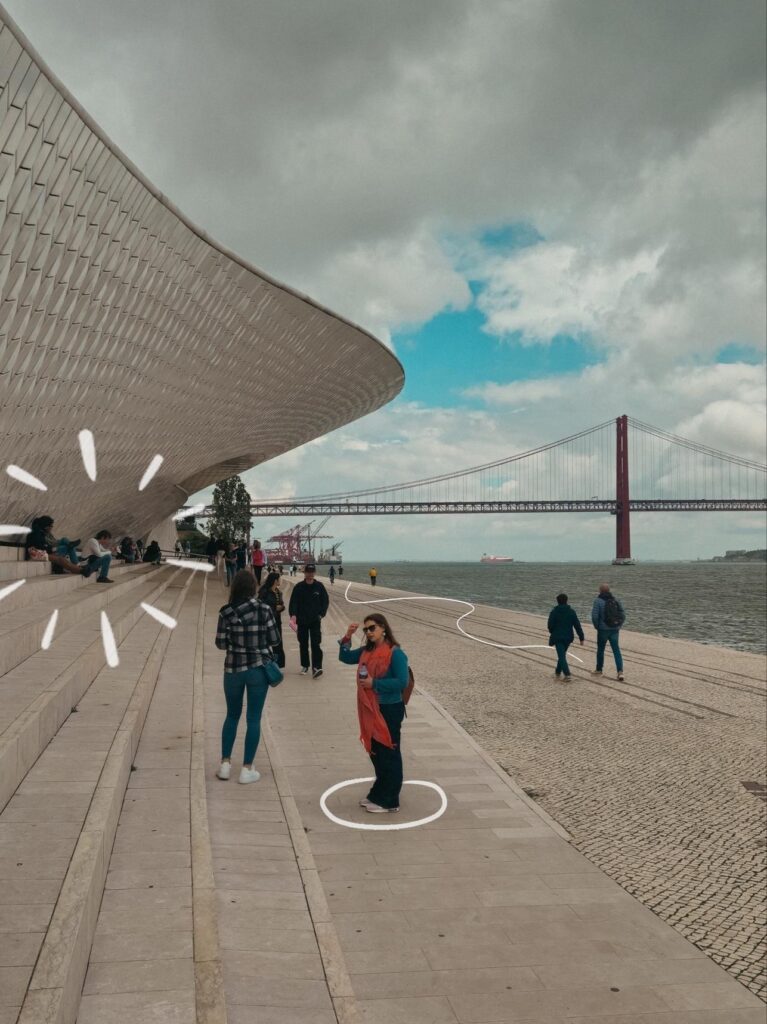
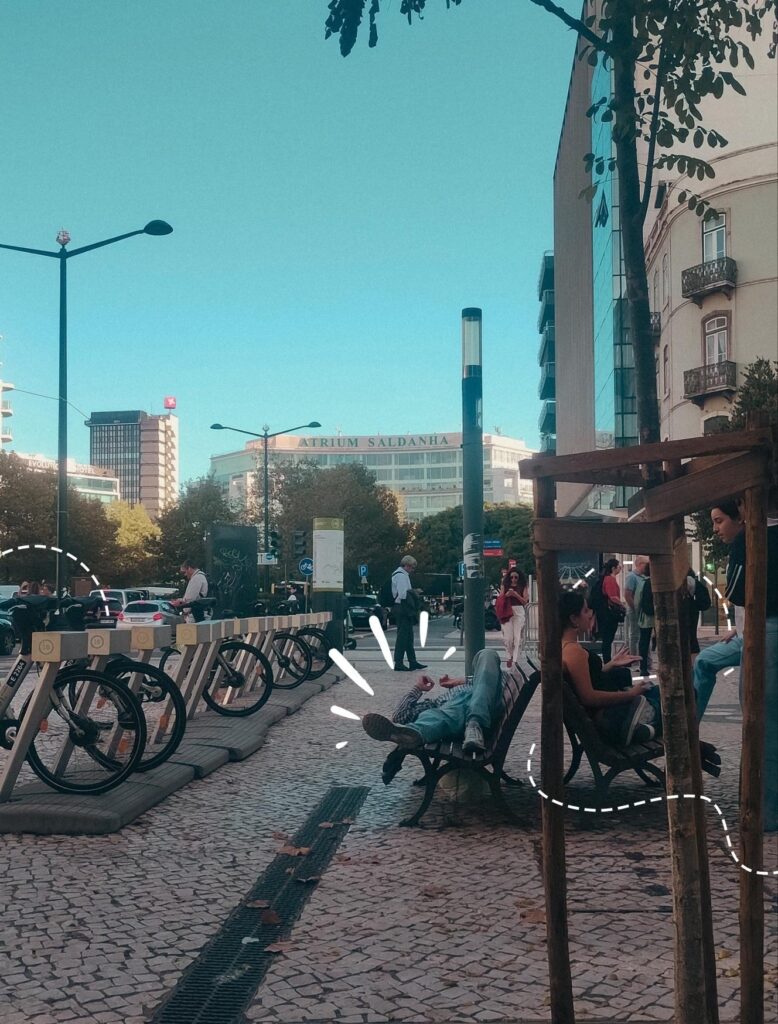
Coming from Lublin, where that kind of casual lingering was mostly reserved for the old town or parks, it felt refreshing. Lisbon has taught me to notice that streets can be used for much more than movement from A to B. In other words, the city asked me to observe beyond just my destinations and take mental notes of where people stop.
Next stop is Helsinki, or not really. This time I was living in Espoo, about ten minutes from the university campus, and a couple of metro stops away from Helsinki city centre. Very convenient for a student, but I have always preferred living closer to the city, so naturally my first question was: could I walk from Espoo to Helsinki?
The answer was yes, and walking from one city to another couldn’t have been more comfortable.
Much of the route led through parks, nature reserves, on clear walking and cycling paths, often completely away from traffic. I remember immediately deciding that as long as the weather allowed it, I would walk as much as possible, maybe even get rollerblades, because the paths were so smooth and empty.
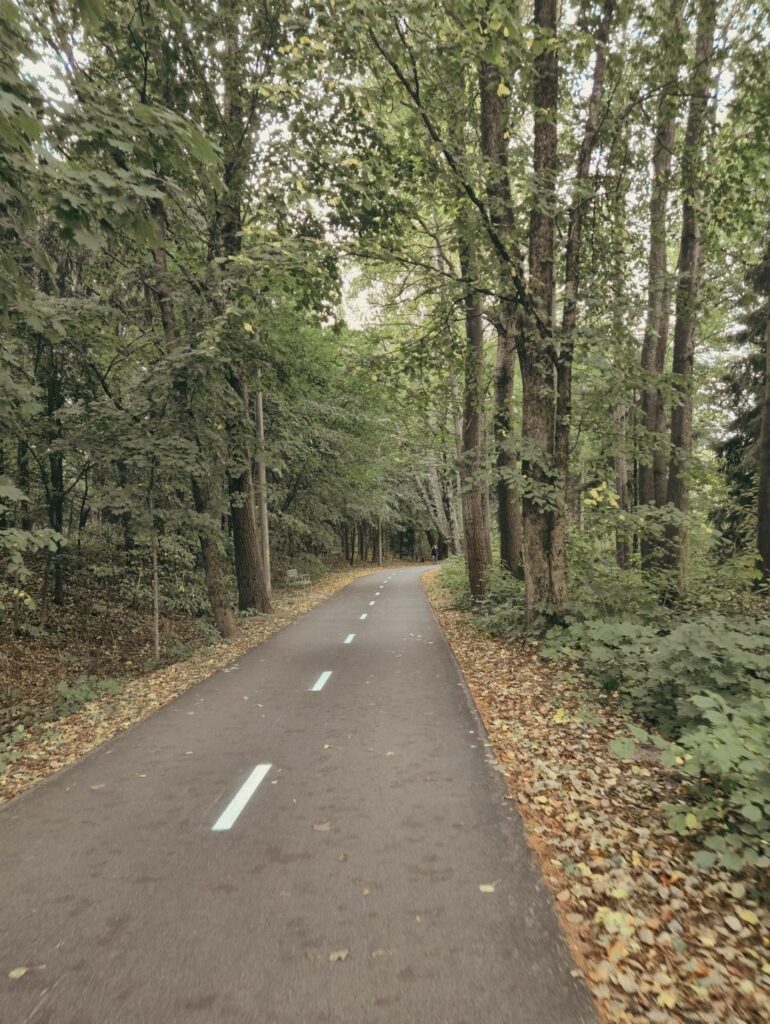
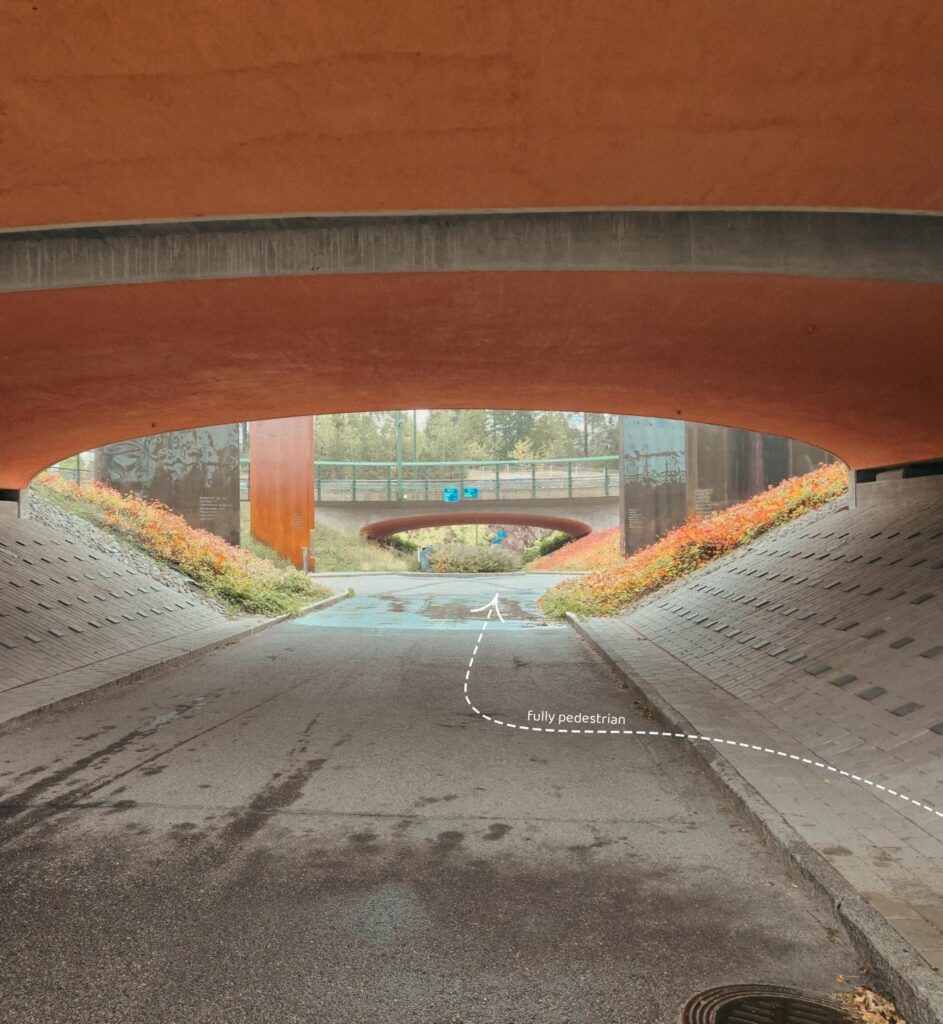
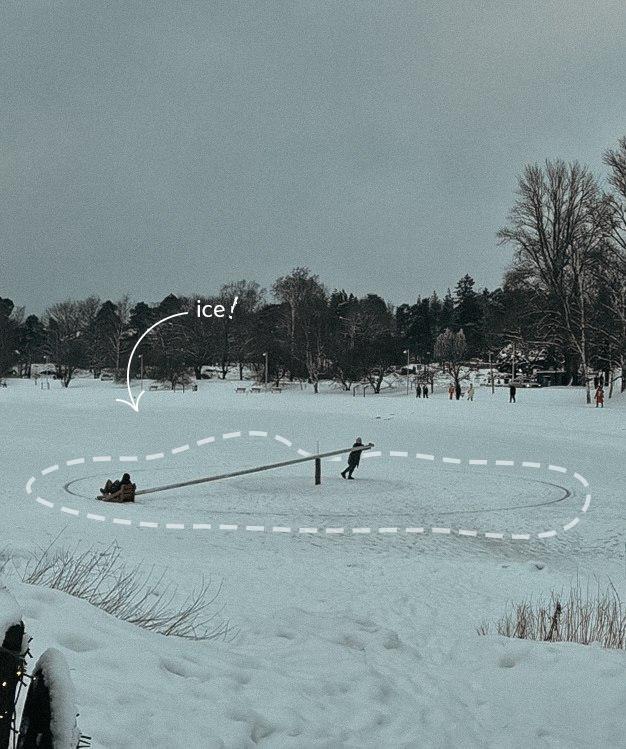
It was fascinating to see how much effort had gone into keeping pedestrians separate from traffic in and outside the city. Walking in Helsinki made me notice systematic efforts more vividly, how a city’s infrastructure can care about people. Winter made that lesson even clearer. When temperatures dropped well below freezing, I started noticing how pedestrian routes extended through architecture: passages through buildings or public transit stations tucked into shopping centres. And then, once the sea froze, nature once again became part of the infrastructure; people simply started making walking and cycling routes on the ice, moving from island to island as if the path was right there all along.
While living in Helsinki, I would often visit Diest, which most definitely earned its spot in my urban observation journey. Diest is a small Belgian town where, unlike Lisbon and Helsinki, walking everywhere was never a question of physical distance. Perhaps, it would even be a great place to start urban observations, if you’re not used to walking a lot!
Every visit, I would stay in Kaggevinne, more specifically on a street that is just a comfortable 25-minute walk from Diest centre. As an outsider, I never got the impression that anything in Diest was particularly far away. In fact, it looks like it could be a prime example of a 15-minute city. What intrigued me was that locals seemed to have a different understanding of distance and districts’ allocations. Looking at the example of Kaggevinne, it is administratively part of Diest, geographically directly adjacent, but historically it was its own village. I started wondering whether that historical identity, along with a subtle visual separation created by a higher capacity road, still influenced how people perceived distance and belonging.
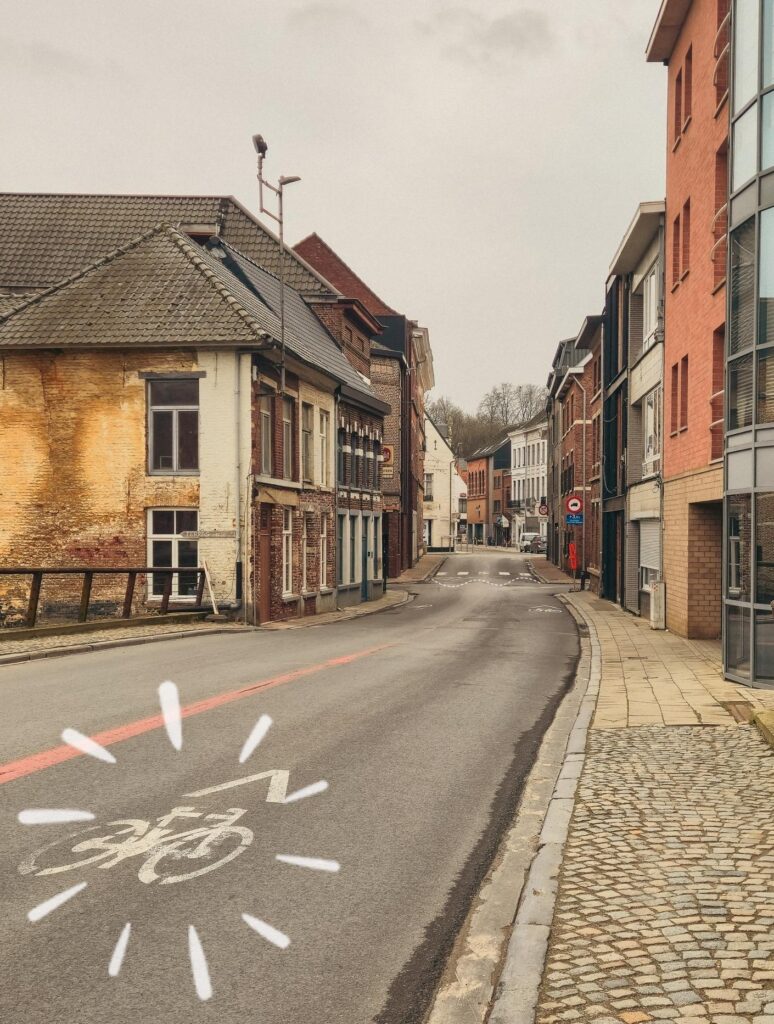
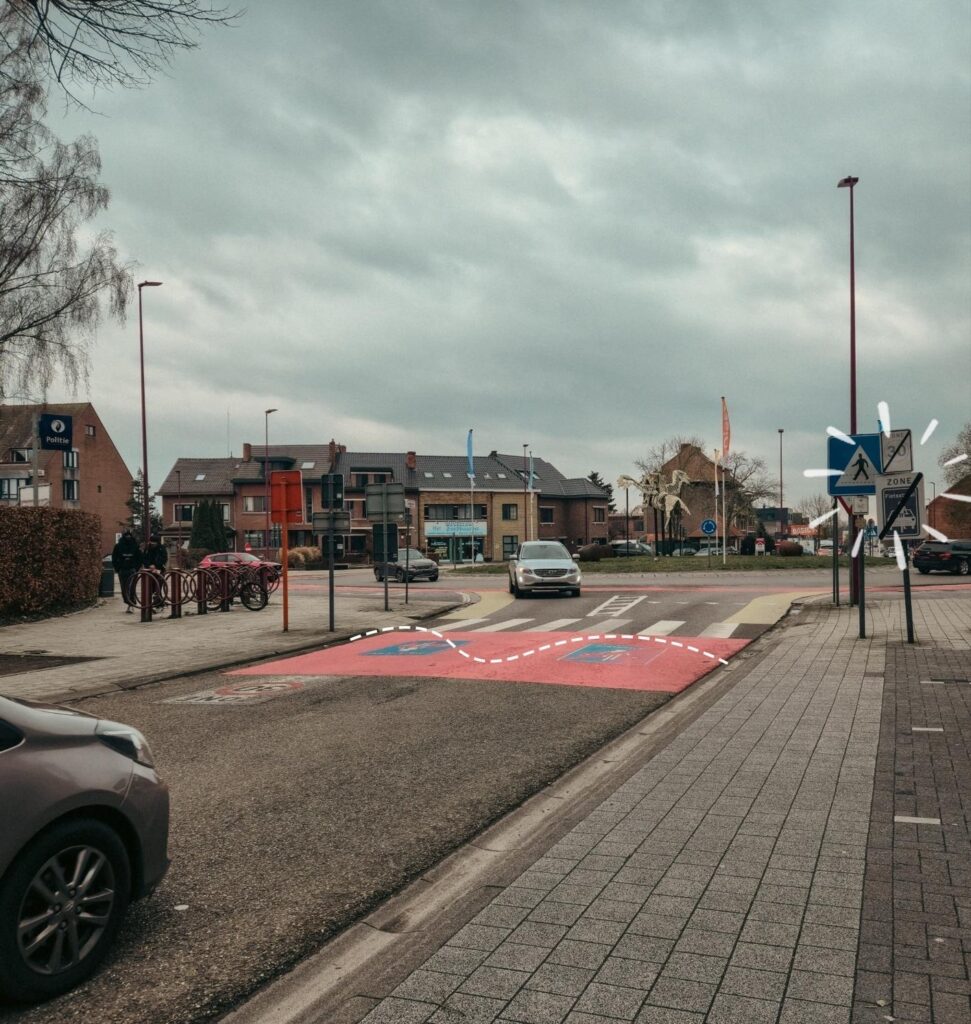
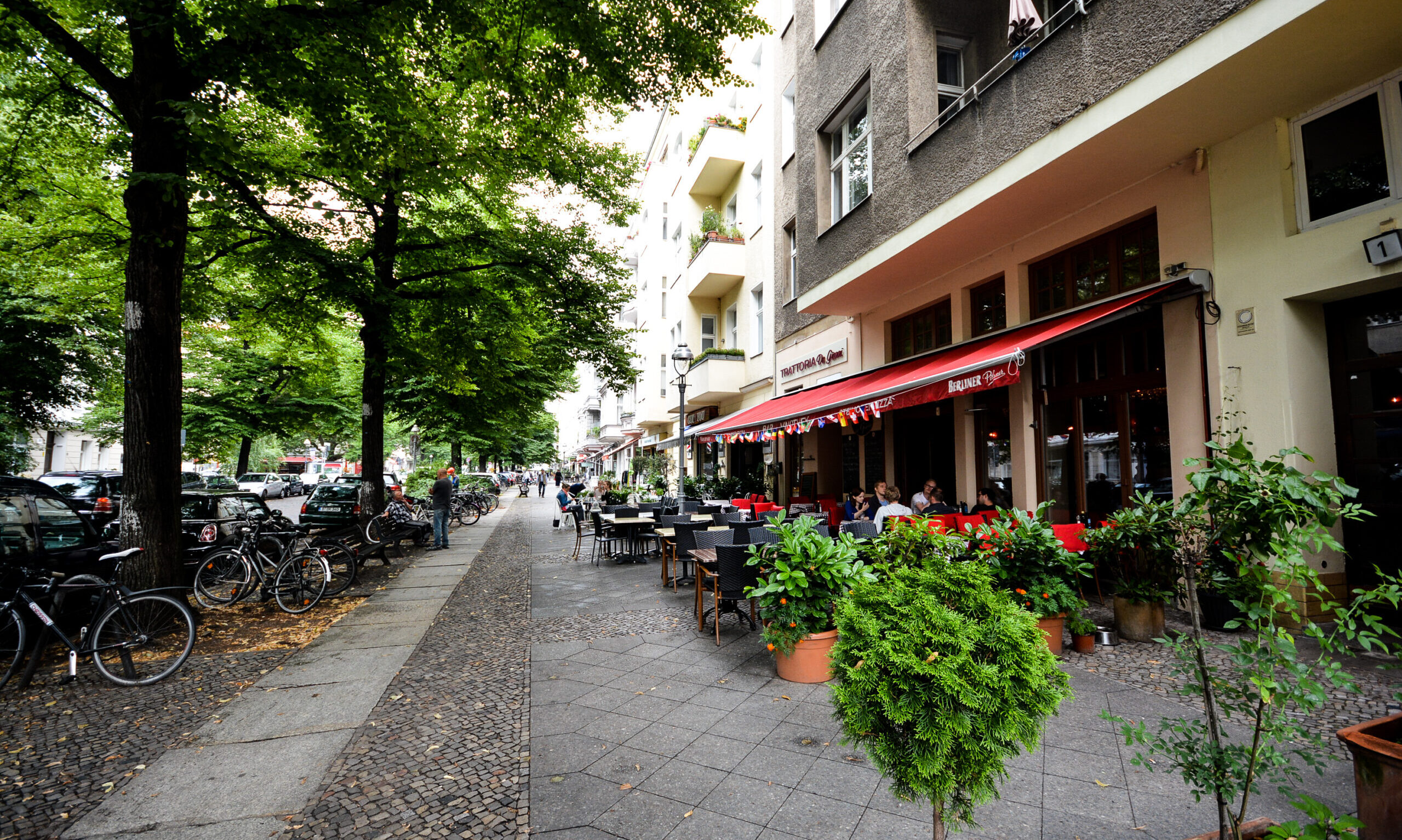
This mismatch made me start paying attention to smaller patterns too. I have returned to Diest’s market square on regular weekdays, in good and bad weather, and during a city event. Coming from Poland, I was used to town squares being filled with people occupying most of the public space available. Diest looked different. On sunny days, the square was full too; however, most people stayed on café terraces, looking over a largely empty square and cars circling around in search of a parking spot. On rainy days, the image was quite similar, just with fewer people on the terraces.
The most curious moment came during a Sunday event, when the streets were temporarily closed to traffic, and a stage was set up in the middle of the square. The city was inviting people to reclaim the streets, and I expected people to spill into the newly opened space. Instead, they kept to sidewalks, terraces, or directly under the stage pavilion anyway. Even when the roads became pedestrian, they were still treated as routes for traffic rather than places to occupy. Perhaps the street closure wasn’t clear enough.
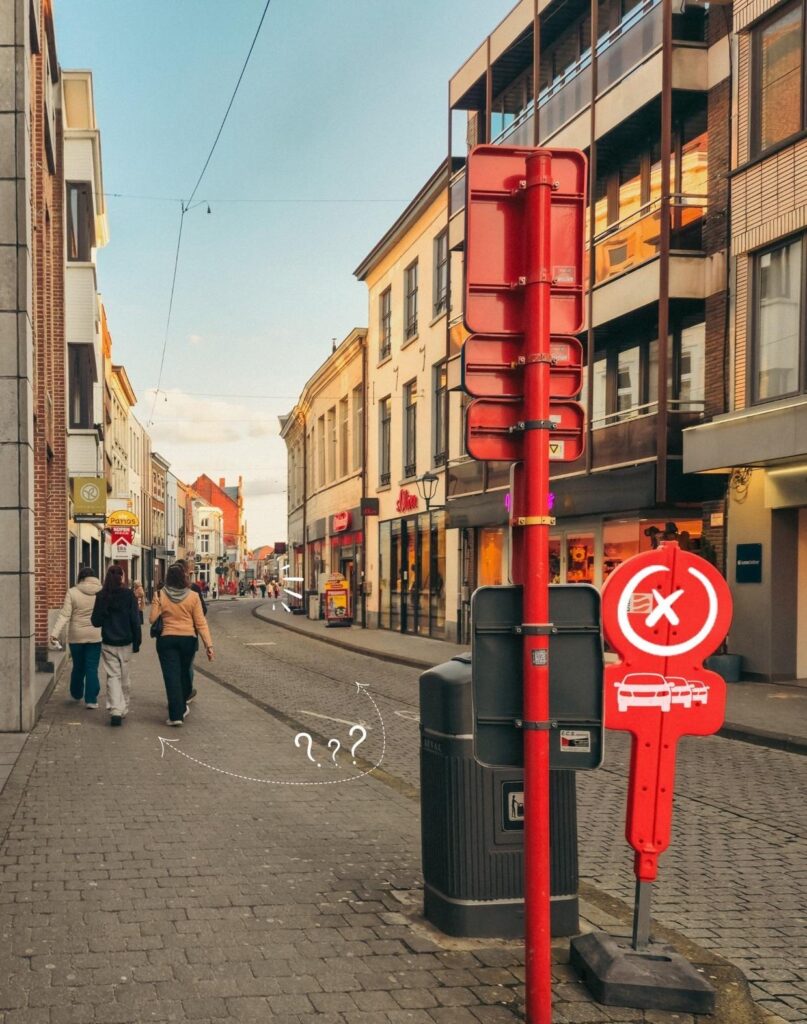
In Lisbon, I was looking at where people stop. Diest taught me to dig deeper and ask: why do people stop exactly there, and what urban patterns seem to incentivise or create urban customs and habits?
Now I’m back in Poland, where my journey started, carrying a slightly different way of looking at cities.
After Lisbon, Helsinki, and Diest, I no longer walk just to orient myself. I catch myself paying attention to all things I learnt to notice: informal third places, infrastructure systems, people’s habits, urban patterns…
Now travelling through Polish cities, I see traces of what I admired elsewhere. Some urban features more strongly than others, but always in a way that feels uniquely local. Coming back feels a little like a whole new urban journey, except this time with a fuller vision of how to understand urban life better.
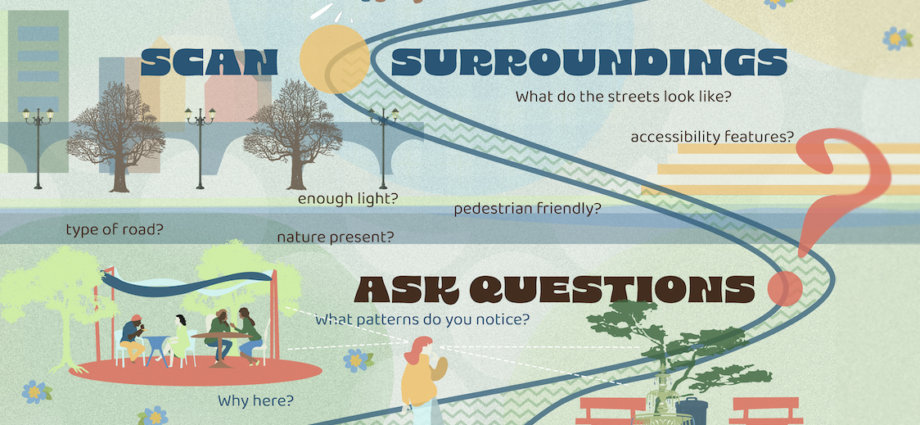
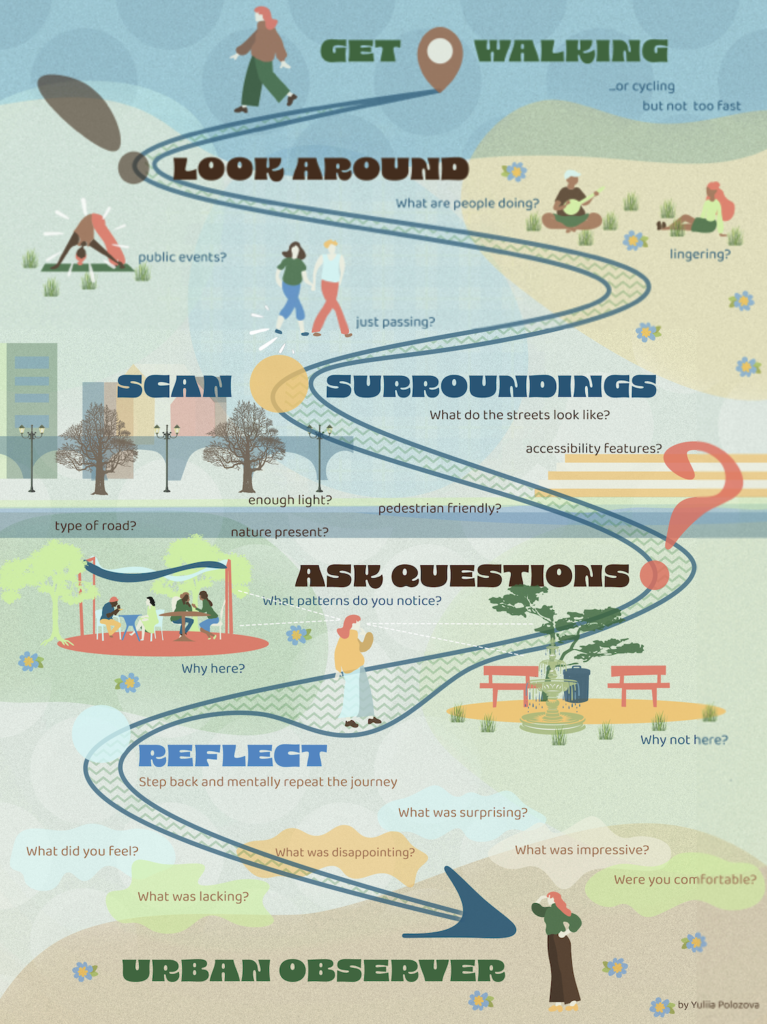
So, if you’d like to try urban observation too, here is where I would start:
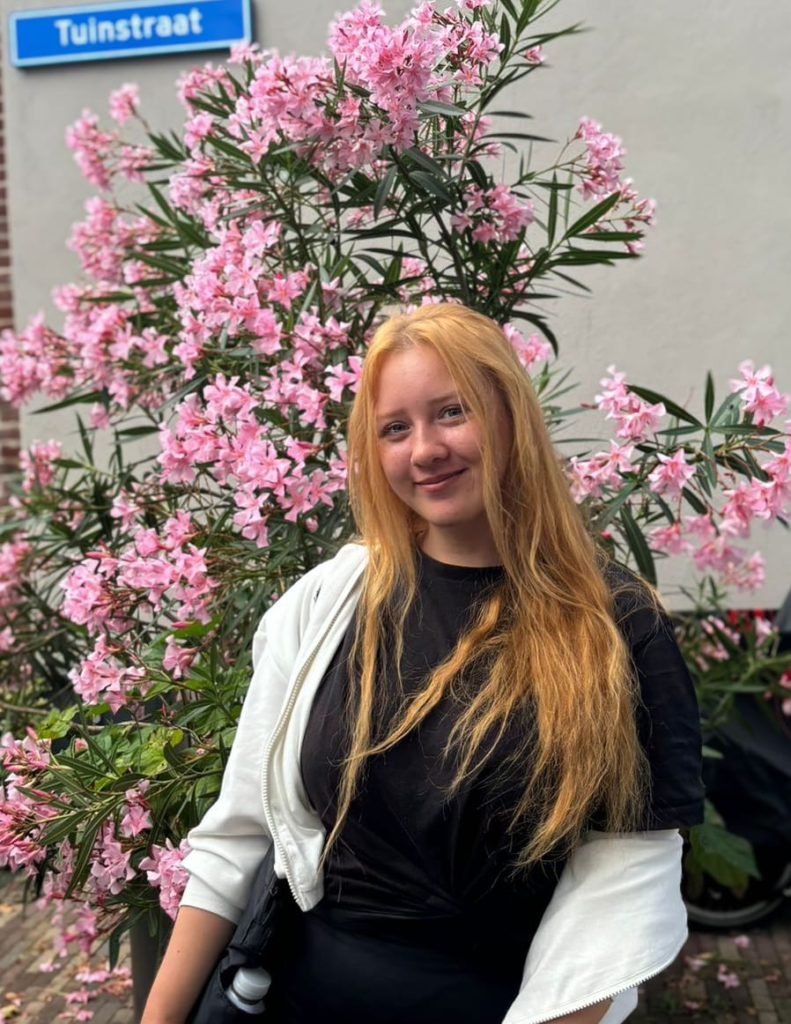
Yuliia is a master’s student within the EIT Urban Mobility Master School program, pursuing her internship with Pedestrian Space in Spring and Summer 2026. Having lived in several different countries, she has developed a growing curiosity about how public space is experienced and understood across different local contexts. Her internship at Pedestrian Space focuses on observing the ways in which people interact with public space during daily life and how storytelling influences the way urban innovations are perceived and discussed.
Yuliia’s current thesis work is focused on understanding the communication of urban changes in Poland as they unfold and the ways in which those contribute to the broader conversation around urban mobility in Europe.
Read more about Yuliia’s work during her Pedestrian Space internship here: https://pedestrianspace.org/tag/yuliia-polozova/
Read more on Pedestrian Space academic placements and internships here