Over the past couple of years, I’ve been increasingly reflecting on positionality and research. I really value thinking about process as well as the ‘story behind the research’, specifically that might connect to positionality as well.
Being a foreigner in Poland who cannot facilitate workshops or interviews in Polish yet, who is doing (and continues to do) community-engaged research, brings up a lot of questions about how I reach people, as well as, perhaps, what is the greatest value I can provide when I seek to engage the community in research.
For my dissertation fieldwork, the 2022/23 urban mobility workshops I facilitated were attended by many fellow foreigners who don’t speak Polish well enough to take part in local Polish language workshops of similar themes.
I also engaged groups of International as well as domestic university graduate students in their English language course settings.
Many of the Polish people who participated in these workshops did so because they were about sustainable mobility, and/or also because they were in English, and they wanted the opportunity to converse in English.
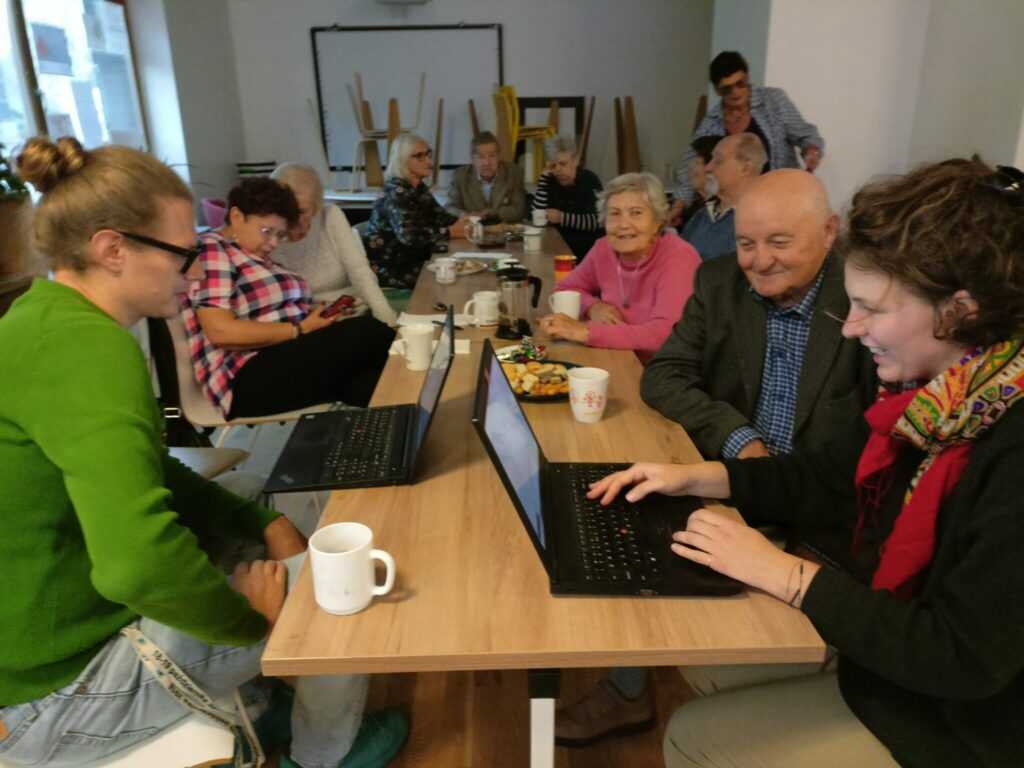
I’ve paid attention to some of the dialogue I hear about the term ‘hard-to-reach’ populations. We cannot generalize who is ‘hard to reach’ in cities across the world. It differs by context. It can also differ by positionality. The language the researcher or practitioner who is seeking to connect speaks can open or close doors for connection, as can any political, ethnic or religious affiliation – or bias- as well as personal style of communication.
There is also some good criticism going on about the concept of ‘hard-to-reach’ itself and observing that often communities or demographics labelled as such are not actually ‘hard to reach’ but that the real issue and problem is with the researcher (s) style and challenge of engaging.
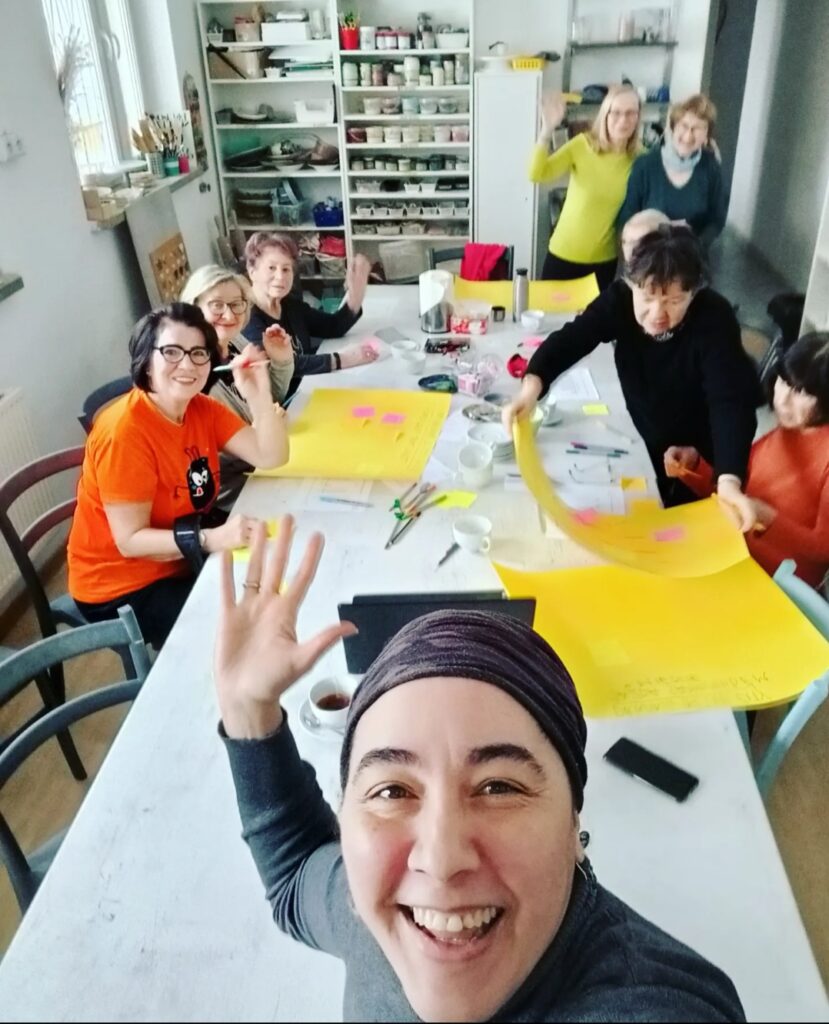
I knew for my fieldwork in Warsaw that I needed to engage retired locals. I also knew 100% that I couldn’t do it alone. I was really grateful for the support of a local cultural Center where a group of retired locals met weekly for games, dialogue, and tea, and where I was able to host my workshop with the translation support of two of the Center employees.
I also had the wonderful support of a retired sociologist who led a weekly seniors fitness class at a Center in another district, where I distributed surveys and led my workshop.
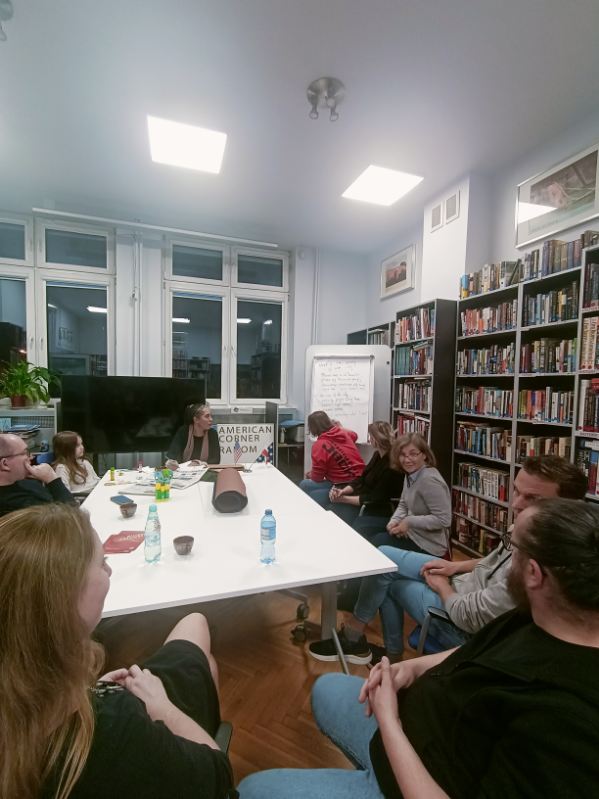
Here in Radom, I’m now laying the foundation for community-engaged research and once again very grateful for enthusiastic local connections and support.
I lead a weekly English conversation club, and the first session, back in October 2025, generated a rich and very interesting dialogue amongst locals. This dialogue served as the genesis for the community-engaged Radom study that we are launching this month.
This month, we will host two workshops at a local senior center, engaging retired locals on their memories of aspects of the city and changes in public space, amenities, and mobility, with a focus on Żeromskiego street, the main pedestrianized street in the city center.
Thanks to the American Corner, I have two local university students who will be helping with survey distribution and facilitating the workshop.
The survey will be generally available to adults, but I wanted to create specific events to engage with retired locals. They are not ‘hard to reach’ here. In fact, they are incredibly active and present in the urban sphere, but due to my positionality (particularly the language aspect) there can be challenges for me to effectively engage.
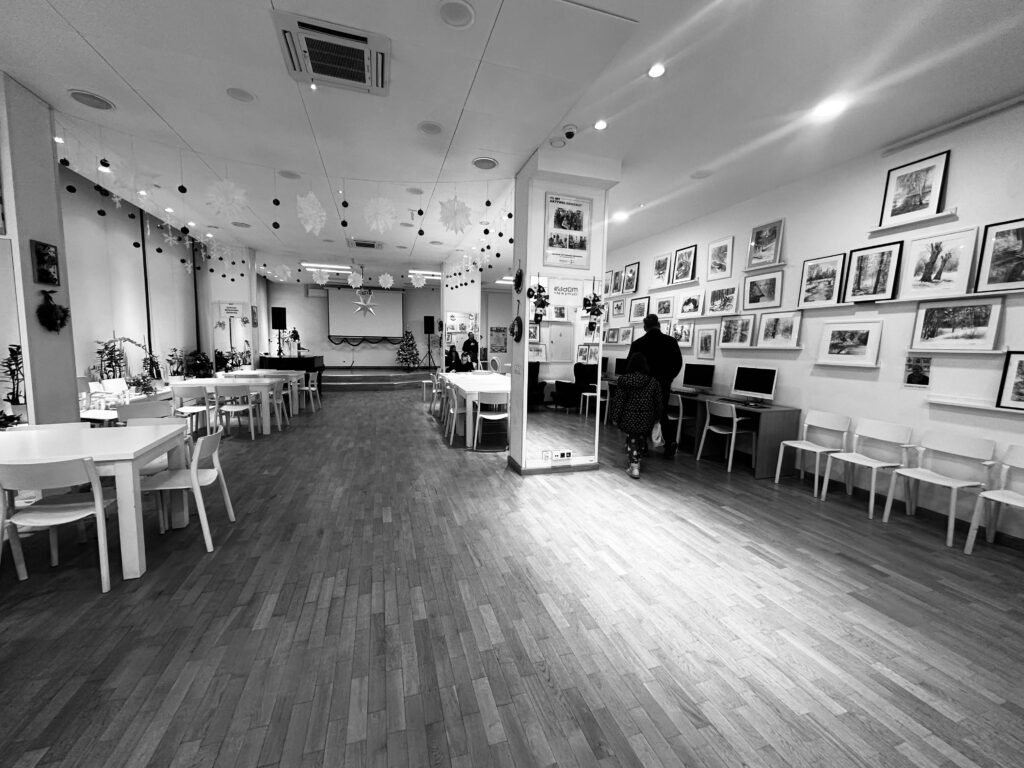
This month we launch the survey and ‘Perceptions of Radom‘ Study.
I explored the issue of positionality a bit in my first published dissertation-related paper- ‘Researcher reflections from an urban lab: best practices and barriers of walkable urbanism via a 15-minute neighbourhood lens in Warsaw’ published in Cities & Health Journal.
-Annika