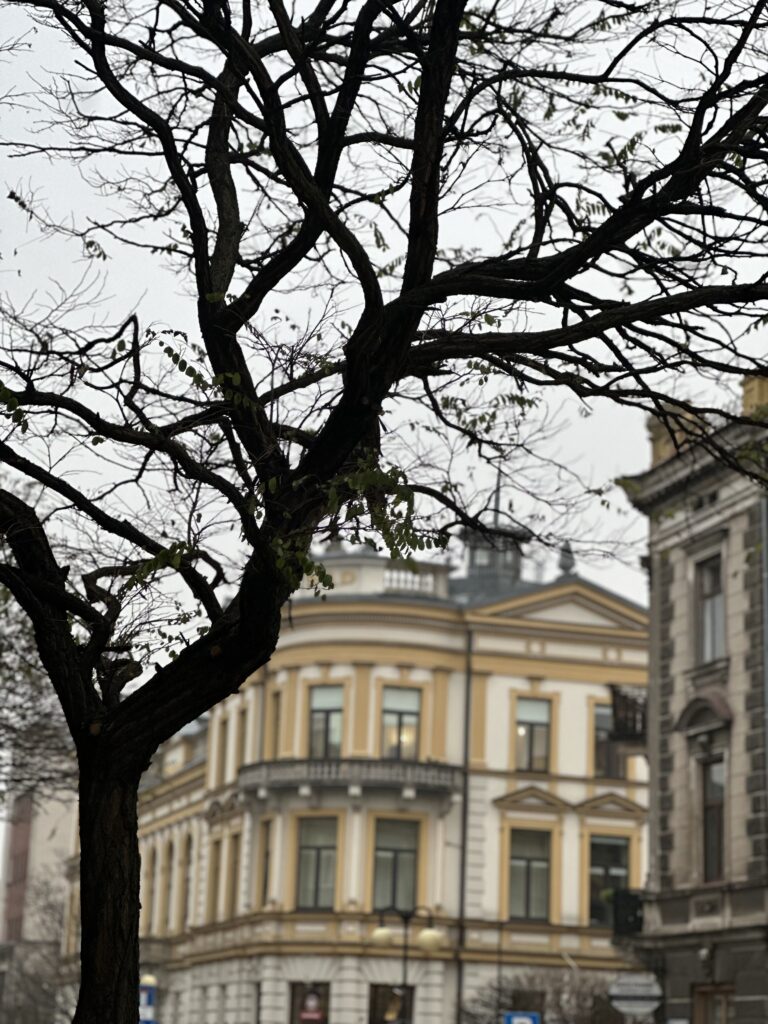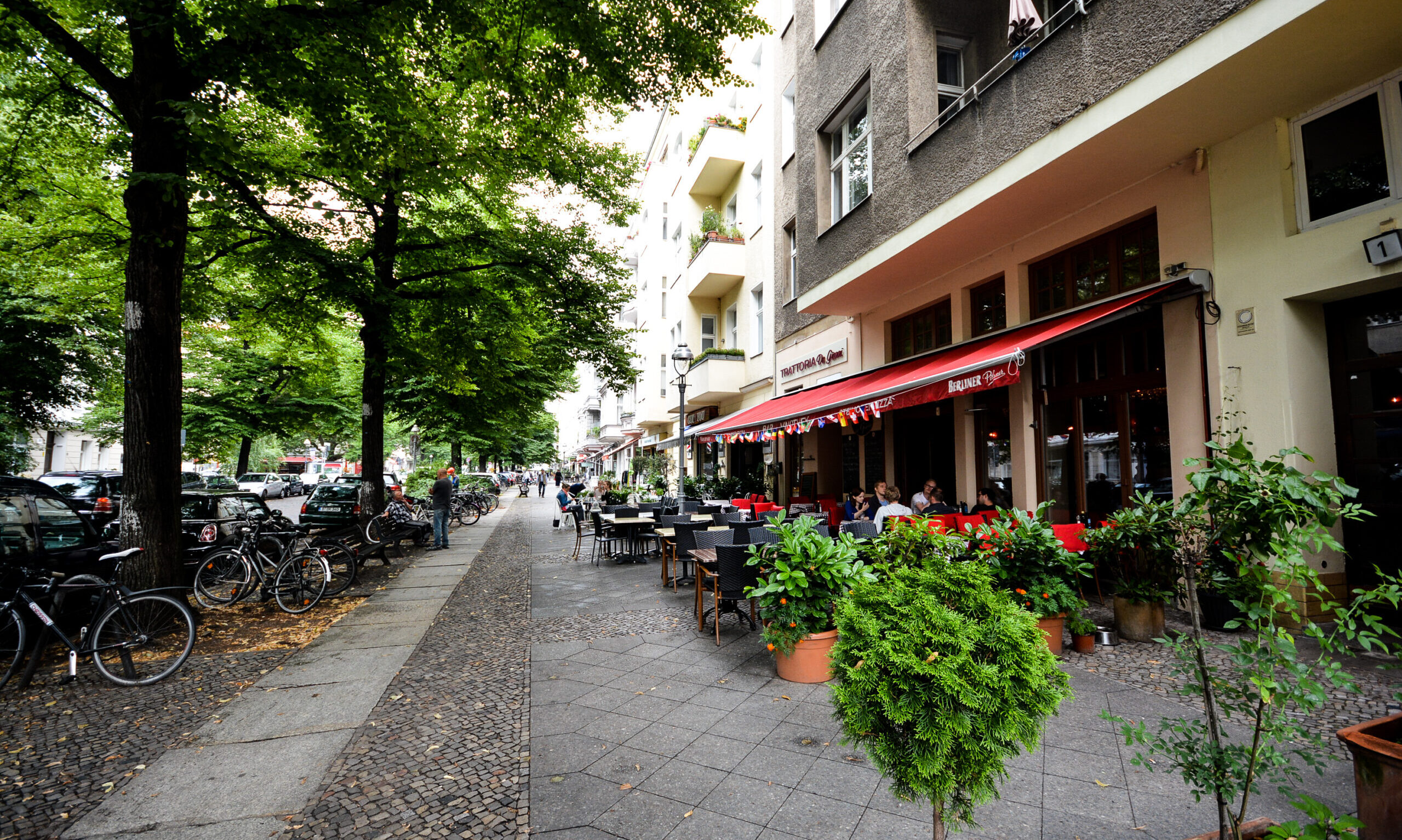

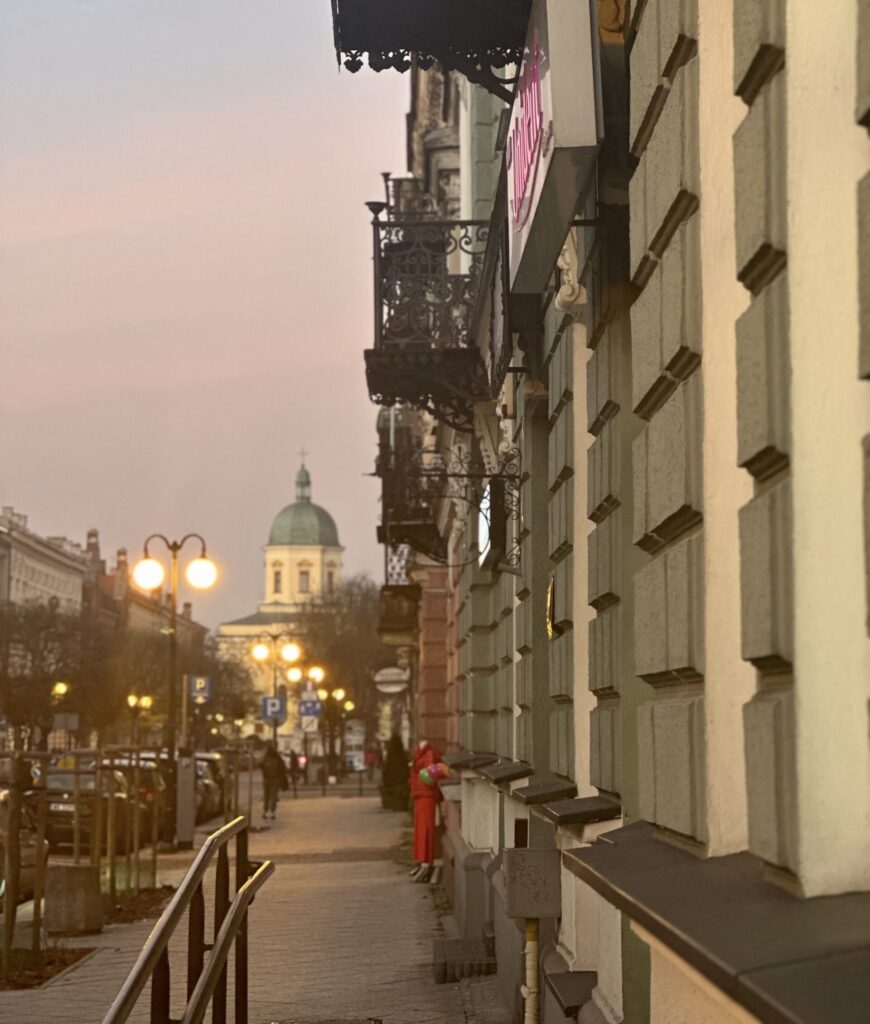
Earlier last year, when I told people that my family and I were moving to Radom, I was often met by expressions of bewilderment or outright frowns.
Some responses were more ‘neutral’, just commenting on what an unusual movement trajectory that is. People often leave Radom for Warsaw, not the other way around.
Not to mention the well-known stigma of the city, the specific history of which I’m glad to be learning about now….
Hint: there’s a rebellious streak in the air…
Back then, in response to negative responses, I would shrug.
I felt fortunate to not be burdened by the bias and prejudice towards the city that I might have if I had grown up in this country.
Not to mention, encountering the city (and ultimately moving there) with an open mind has allowed for a lot of interesting developments this year, including a significant research interest stirring for ‘ordinary cities’ as well as underdog cities.
Investment (or lack thereof) is perhaps a significant theme for underdog cities, but also for ‘ordinary cities.’
Investment need not be with a goal to make it extraordinary.
In fact, keeping it ‘ordinary’ is key.
Proximity to a capital city seems to be a no-brainer for investment, coupled with local, cost-effective property. There is also already a well-established commuter flow, with a number of people who live in Radom commuting to Warsaw for work. So the choice to reside in the former and work in the latter is a well-established phenomenon.
The alleviation that this city can further provide (especially considering the capital city’s affordable housing crisis) seems significant, but there is also the issue of ‘city identity’ and stigma, which I’ve begun exploring more in depth.