Indian Voices of Walkability Series
CONCEPT
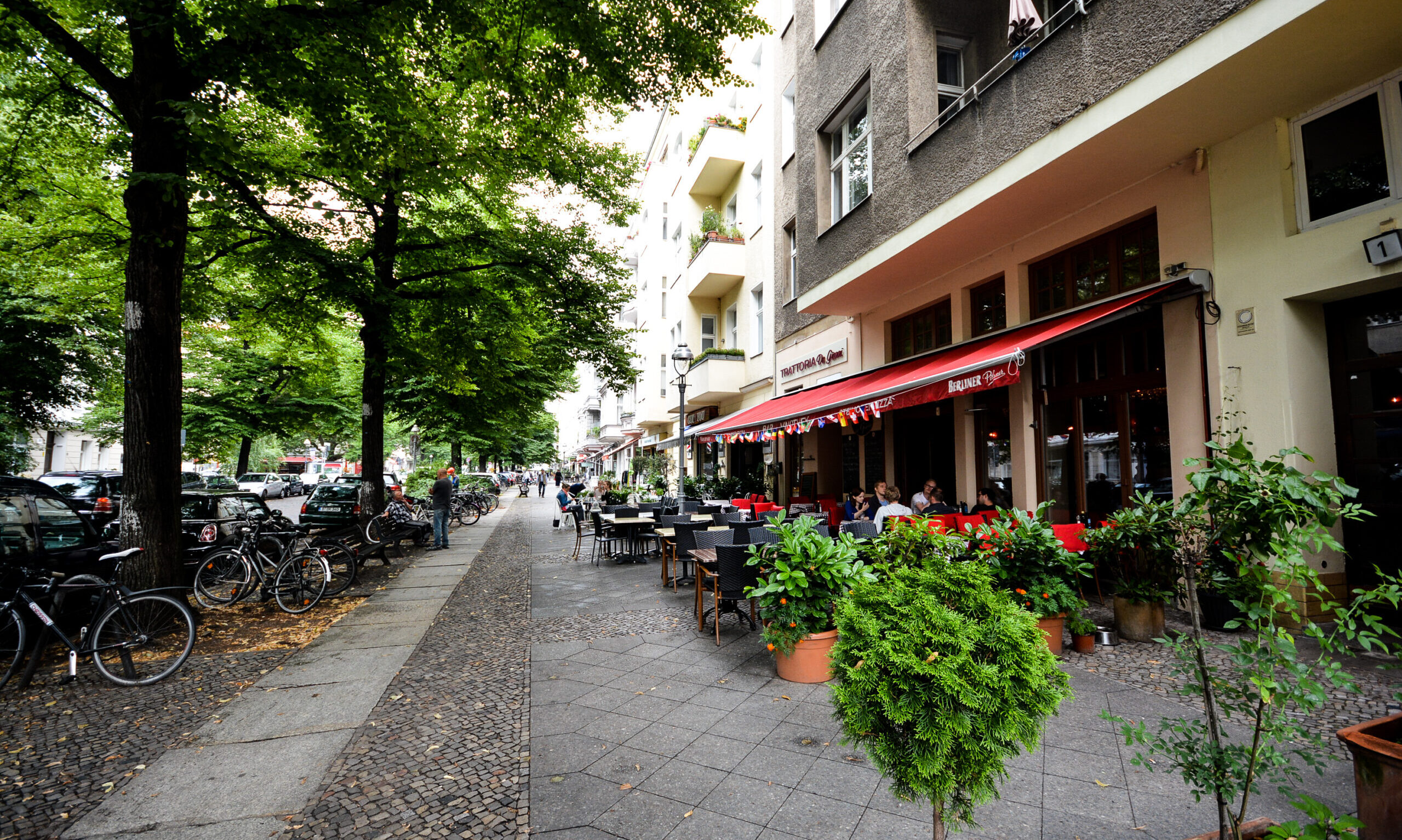
The ‘Indian Voices of Walkability’ series presents a collective of voices from India who are natural advocates of walkable, healthy communities. The voices represent a range of disciplines, from practitioners, academics, neighborhood advocates and more, all who share diverse, expert insight on working towards reclaiming our right to move safely by foot in our community.
The project was originally conceptualized on a regions-based series:
- Western India: Kerala, Karnataka, Goa, Maharashtra, Gujarat
- East India: Tamil Nadu, Andhra Pradesh, Odisha, West Bengal
- North India: Ladakh, Jammu & Kashmir, Himachal Pradesh, Punjab, Haryana, Uttar Pradesh, Uttarakhand
- Central India: Rajasthan, Madhya Pradesh, Telangana, Chattisgarh, Jharkhand, Bihar
- Northeast India: Sikkim, Asam, Arunachal Pradesh, Nagaland, Manipur, Mizoram, Tripura

The submissions call welcomes a mix of narrative approaches, research-based case studies, and awareness-building content to provide a unique and accessible way to engage on topics of walkability.
CONTRIBUTIONS
We welcome diverse perspectives and contributions that help educate and shape awareness on walkability issues. We especially encourage narrative approaches that engage the reader(s) in an accessible way as well as through the lens of the writer’s own geography and community in India. Please note this is not a research-based publication and while we will review research-based contributions, they should be written in a style accessible to the general public.
Diverse place-focused submissions are welcome including topics and approaches:
•narrative approaches
•oral histories
•cultural focus
•identity and movement in space
•walkability in relation to climate change
•the practice of walking in the context of religion
Submissions may relate to diverse issues of walkability including:
- What trees offer the best canopy to walk under
- How walking relates to the process of mapping
- Oral history (via interviews for example) on how walkability of villages and towns has changed over the recent decades
- The current state of walkability in your community and how it affects quality of life (and other issues)
- How does walkability and freedom to move reflect in the lives of Indian rural women
- How many people from Mumbai walked to their villages when the pandemic began
- Issues of access to safe, quality and affordable public transportation in your community.
- How issues of walkability affect diverse generations or groups in your community
- What walking your dog in your neighborhood is like
- How historically, walking has been used as a means of advocacy by leaders around the country
- Case study approaches from diverse Indian towns and cities
- How walkability affects local culture and vice versa
- What the rights of a pedestrian are
SUBMISSION GUIDELINES
- Submissions should be between 500 – 1000 words
- All content must be original
- Up to 6 high-quality photos relevant to the submission may be included. Photos must be taken by the writer themselves.
- Each submission requires 2 – 4 ‘Engagement Tips’ at the end of each section. Engagement tips are crafted with school groups, individuals and community groups in mind and are intended to inspire local action and further connect readers to the community. Writers should provide specific ways for different stakeholder groups to engage with the context they describe in their submission.
Engagement Tip example:
As an example, say you write a piece on the importance of safe, quality public transportation for school-age children and elderly individuals in your community.
Example of Engagement tip for this section can look as follows: Activity: What is your favorite form of public transportation? (Note: their favorite form does not have to exist in their community)
Engagement Tip 1 (young school age group): 30-45 minute art lesson where students draw their favorite form of public transportation. Discuss where students hold up and share why they drew that form of Public transportation and why it is their favorite.
Engagement Tip 2 (middle and older school age group): 1-hour writing and discussion lesson where students write about their favorite form of public transportation. After writing, students have a discussion about their favorite forms of public transportation as well as whether those forms are available and safe to use in their community.
Engagement Tip 3 (community groups and workshops): Discussion group on favorite forms of public transportation and how they experience the current state of these modes. Note: If you plan to summarise your findings for later publication or to take to your local council, ensure you have someone to help you take notes or create a form for people to also write their observations and opinions.
TEAM
This Voices of Walkability team includes Radha RH, Ansila Thomas and Annika Lundkvist.
Radha RH is a writer and urbanist based in the UK is an artist and writer interested in public spaces and parking lots. She is the founder of our Parking Magazine and our Press.
Ansila Thomas is an editor and urban studies practitioner who has worked in urban sanitation policy, and with writing related to mobility. Having lived in several different cities, she believes that for most people, urban mobility is an issue that defines what opportunities are afforded to them. She loves exploring cities by walking through neighborhoods.
Annika Lundkvist is the founder of pedestrianspace.org, a media advocacy platform for issues of walkability, sustainable cities, and urban resilience.
Contact the Voices of Walkability team at voicesofwalkability@gmail.com
As of November 2025, the Voices of Walkability project is live!
Visit us at https://voicesofwalkability.substack.com/