While we were living there, it felt so….normal.
Looking back, though, I’m struck by how pivotal the ‘ordinary-ness’ of that time was, living in a medium-sized Swedish city.

When I discuss issues of walkability, this is one urban chapter of life that I routinely reference because of the experience of being close to many amenities and places (parks, playgrounds, grocery stores, hospitals, the postal service, schools…) and the possibility of a rich life at the neighborhood level.
I often reference this chapter, as it was while living there that I first heard about the 15-minute city and had a lightbulb moment: the concept described exactly what we (and other residents there) experience.
I often refer to this chapter because moving around cities as a mother with two young children and a stroller was a key turning point in my awareness of urban life, spatial equity, and the different residential experiences and needs.
Our everyday movement was entirely by foot. Sometimes we used a bus to go to other neighborhoods to visit people and/or check out other playgrounds. This was by choice, and reliable bus options for every city district existed.
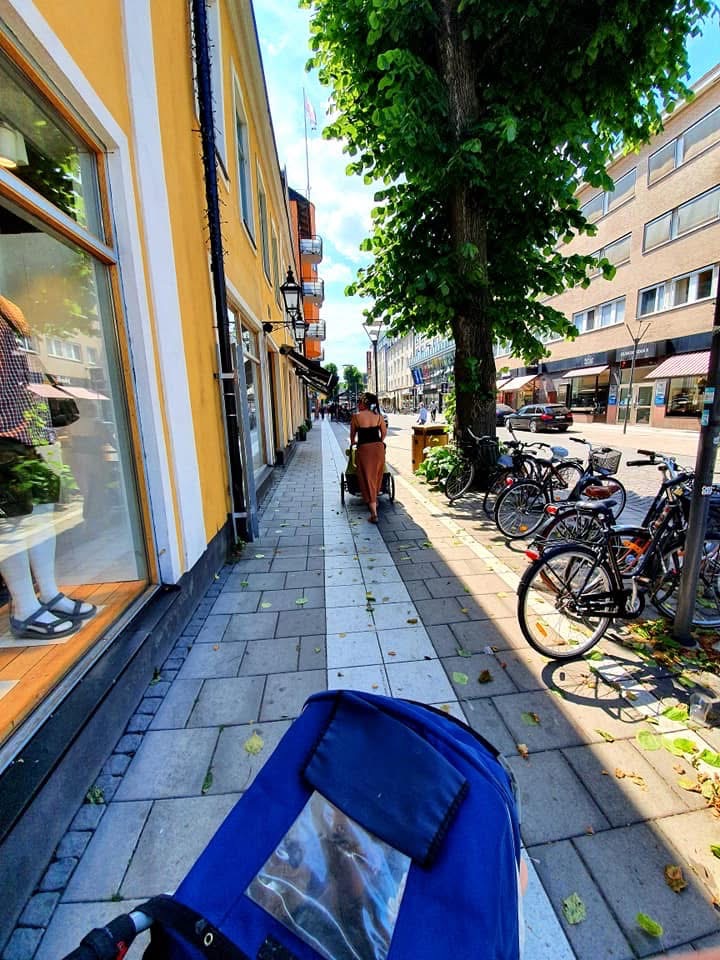
We lived in the heart of the city but anyone I asked, regardless of whether they lived in a house in the suburb, or apartment blocks on the periphery of the city, also had such proximity to well (and differently) designed playgrounds.
More musings on motherhood and mobility here.
As time progresses, it’s remarkable to me how much this one urban chapter unfolded – with a lived experience of 5-minute neighbourhood lifestyle as well as, more broadly, 15-minute city. There was a rich, but I would also assert, entirely ordinary, spatial fabric for me to experience a quality daily life in a well-planned, ordinary city.
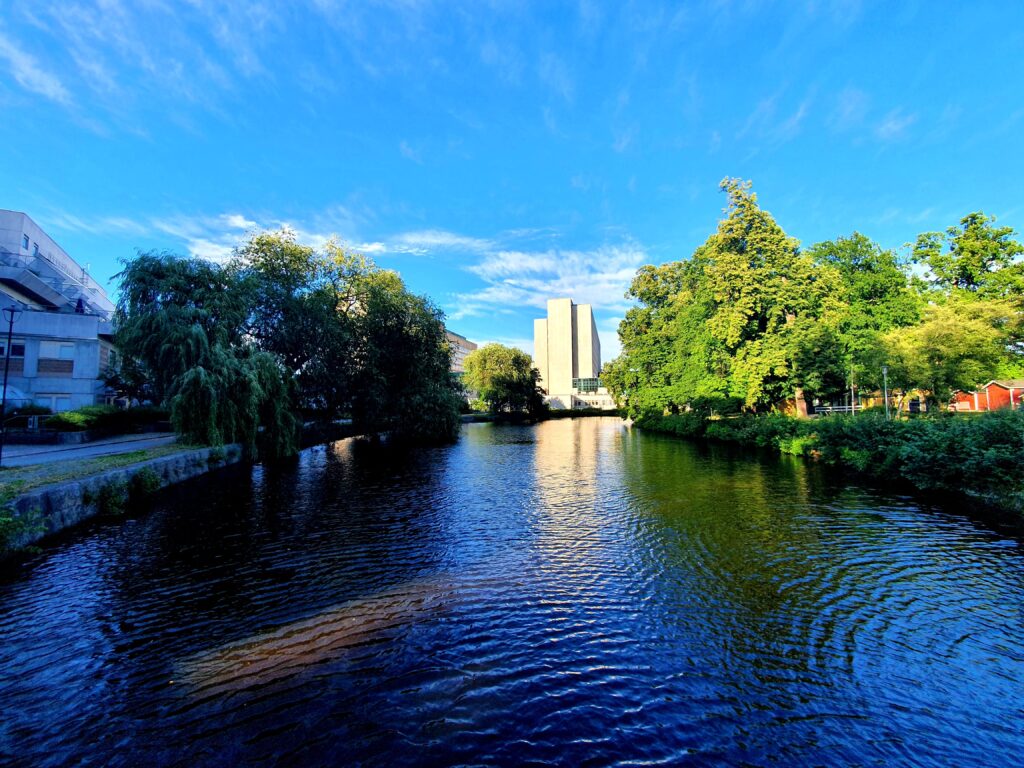
Other such ‘ordinary cities’ exist that, due to decades of common sense urban planning as well as continued improvements, offer this experience to residents. They are not the ‘stars’ of mainstream urban discourse, but I believe they are just as fascinating and deserve more attention and research as case studies.
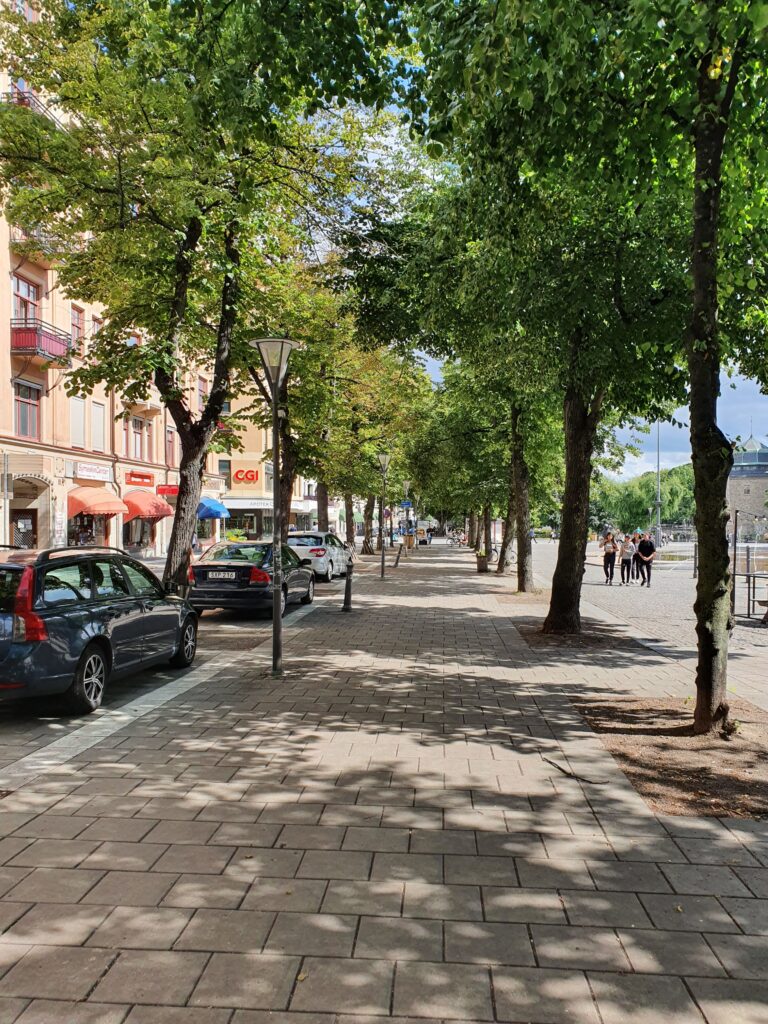
I’ve begun teasing all this out more in some public notes, specifically the connection to and importance of ‘ordinary urbanism’ for accessible, multigenerational urban quality of life as well as resilience.
https://pedestrianspace.org/category/ordinary-cities/
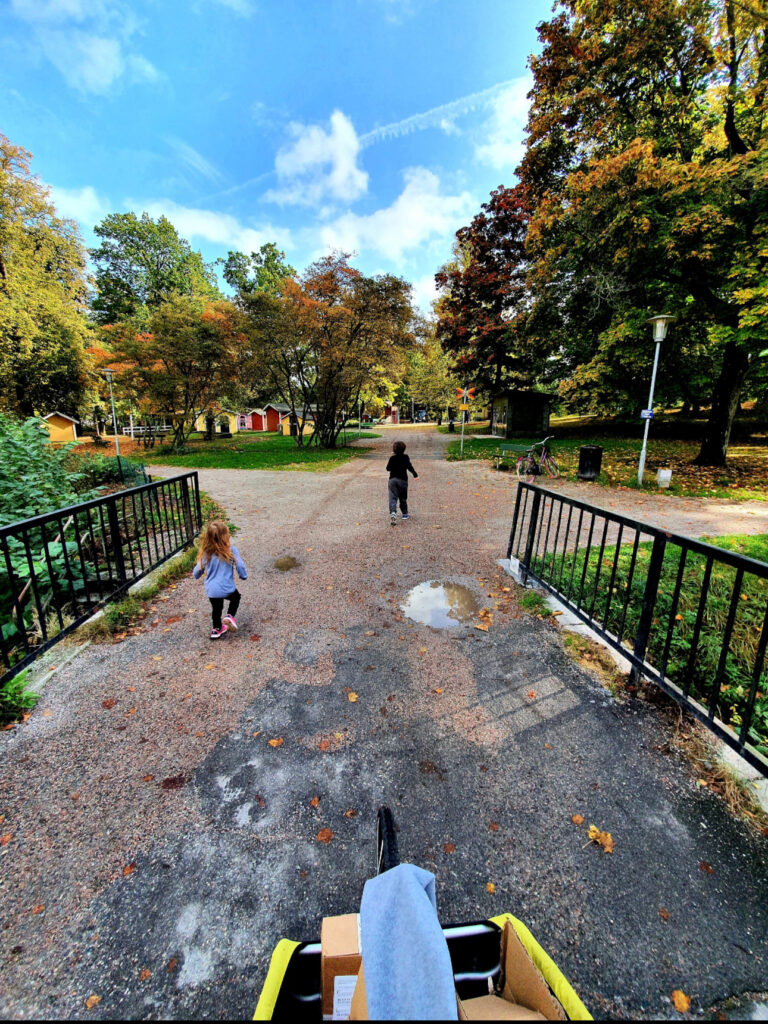
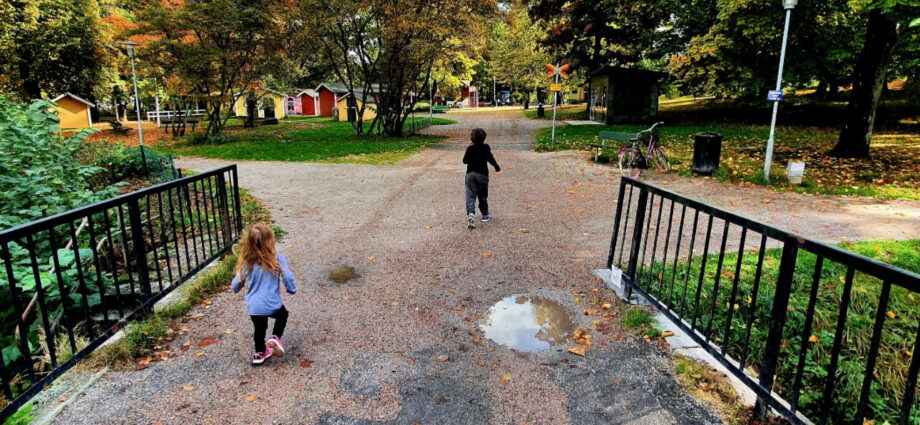
The park in the picture above was within about an 800 m walk from our home and one of our regular spots for play. It was both an ordinary, very well-maintained urban green space, rich with life, as well as spatial host to what I would call an extraordinary play area in the form of a small city where children can walk or run around, bicycle, or use the go-karts for rent to navigate the miniature city experience.
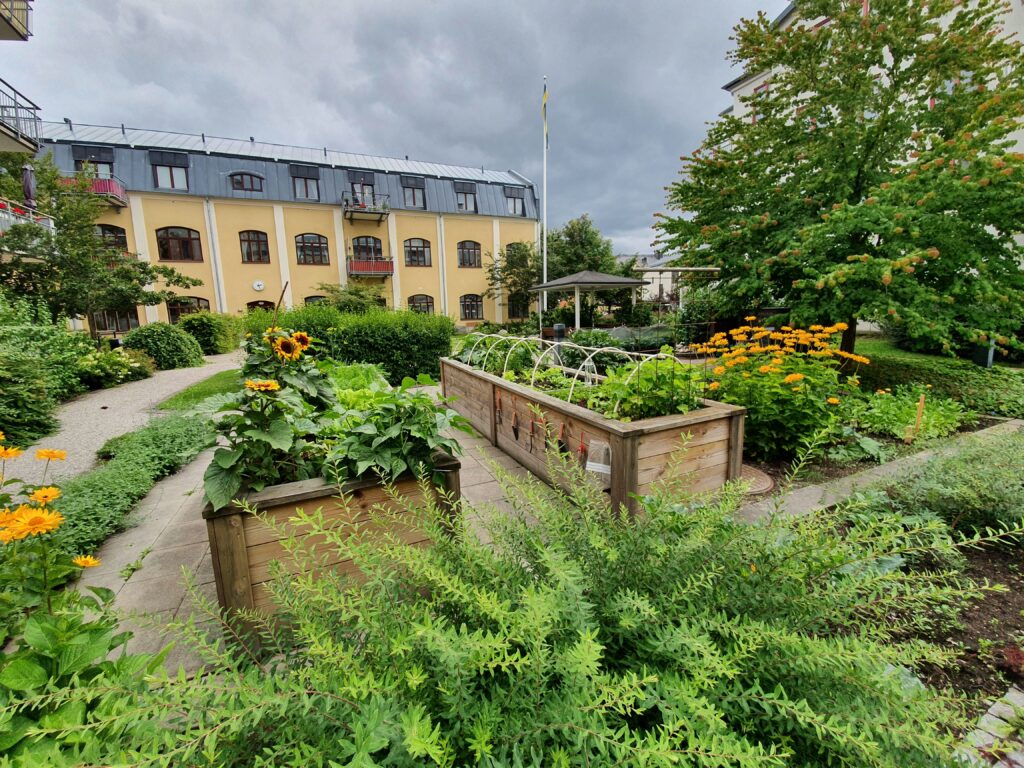
Identifying a city as ‘ordinary’ does not mean it doesn’t have extraordinary features or aspects. Likewise, an ‘extraordinary’ city is one that is full of countless ‘ordinary’ moments and urban spaces. Additionally, how we define ‘ordinary’ in the context of ordinary cities is a discussion that will differ depending on continent, culture, climate, country, region, and more.
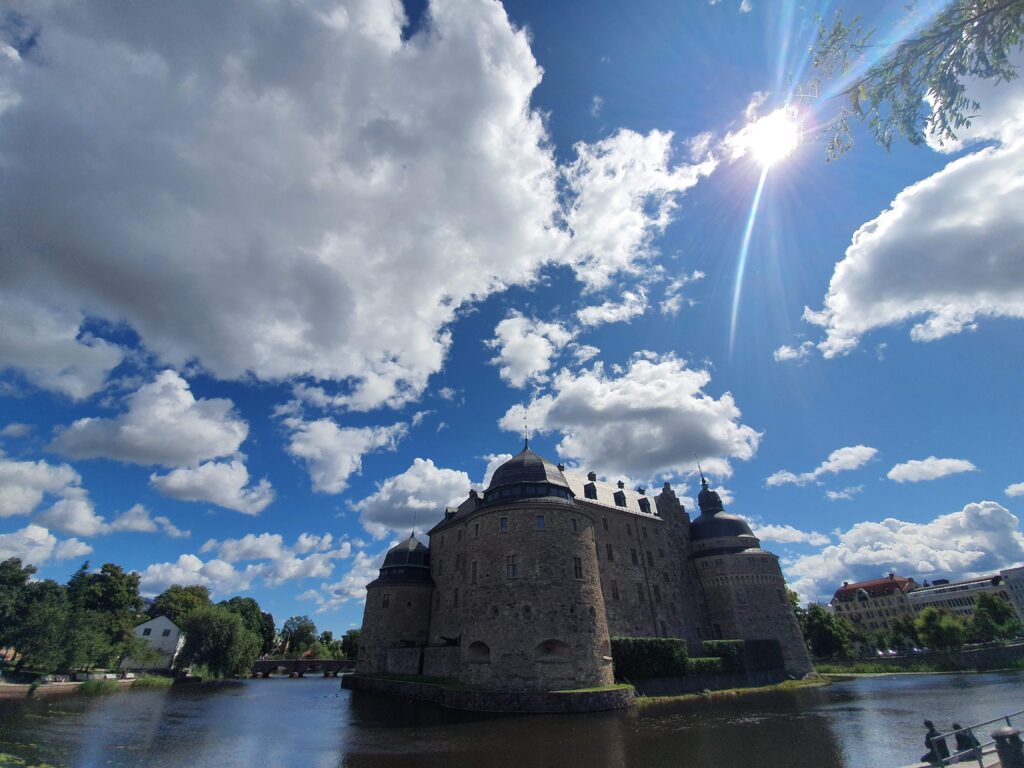
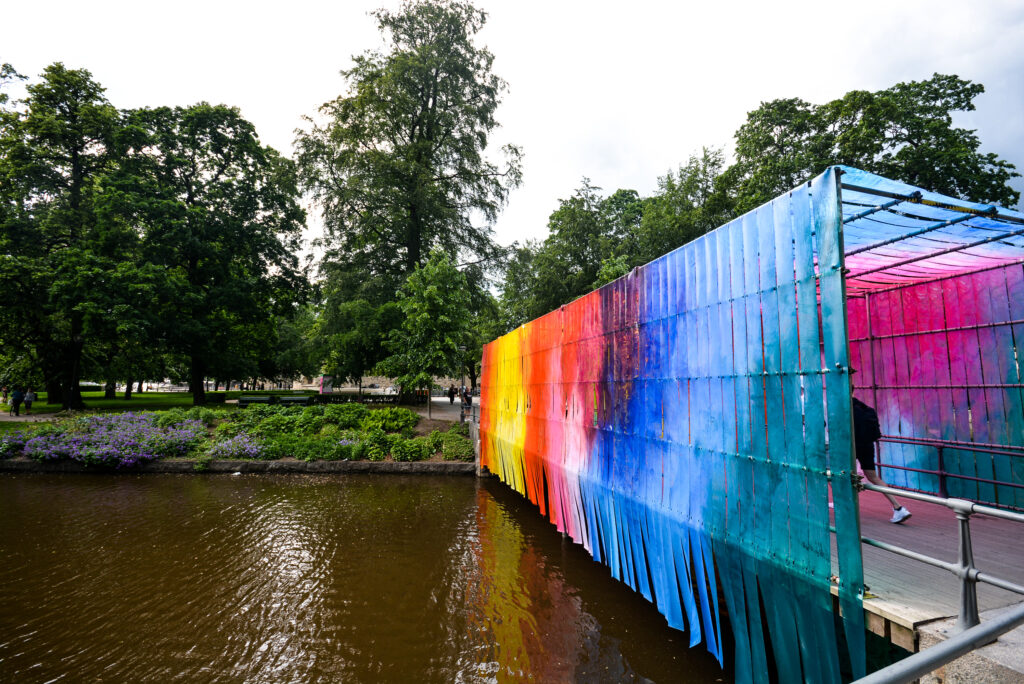
This city’s identity is not known as anything spectacular. It is a logistics hub and a popular site for conferences; however, not otherwise a common ‘destination city’, though there would be plenty to enjoy if you did decide to spend a couple of days there, including the castle (pictured above) and a city walk to Wadköping, a vibrant, nature-rich urban area with a historic village attraction.
In fact, there is a case to be made for enhanced visibility of these cities and support of tourism in smaller urban areas that can offer slower travel experiences rich with local heritage, art, and culture, without a lot of the hype, hassle, and crowds of destination cities. But that’s a topic for another entry, on another day, about the richness and living potential of quality-of-life issues in well-planned and governed ‘ordinary cities’.
-Annika