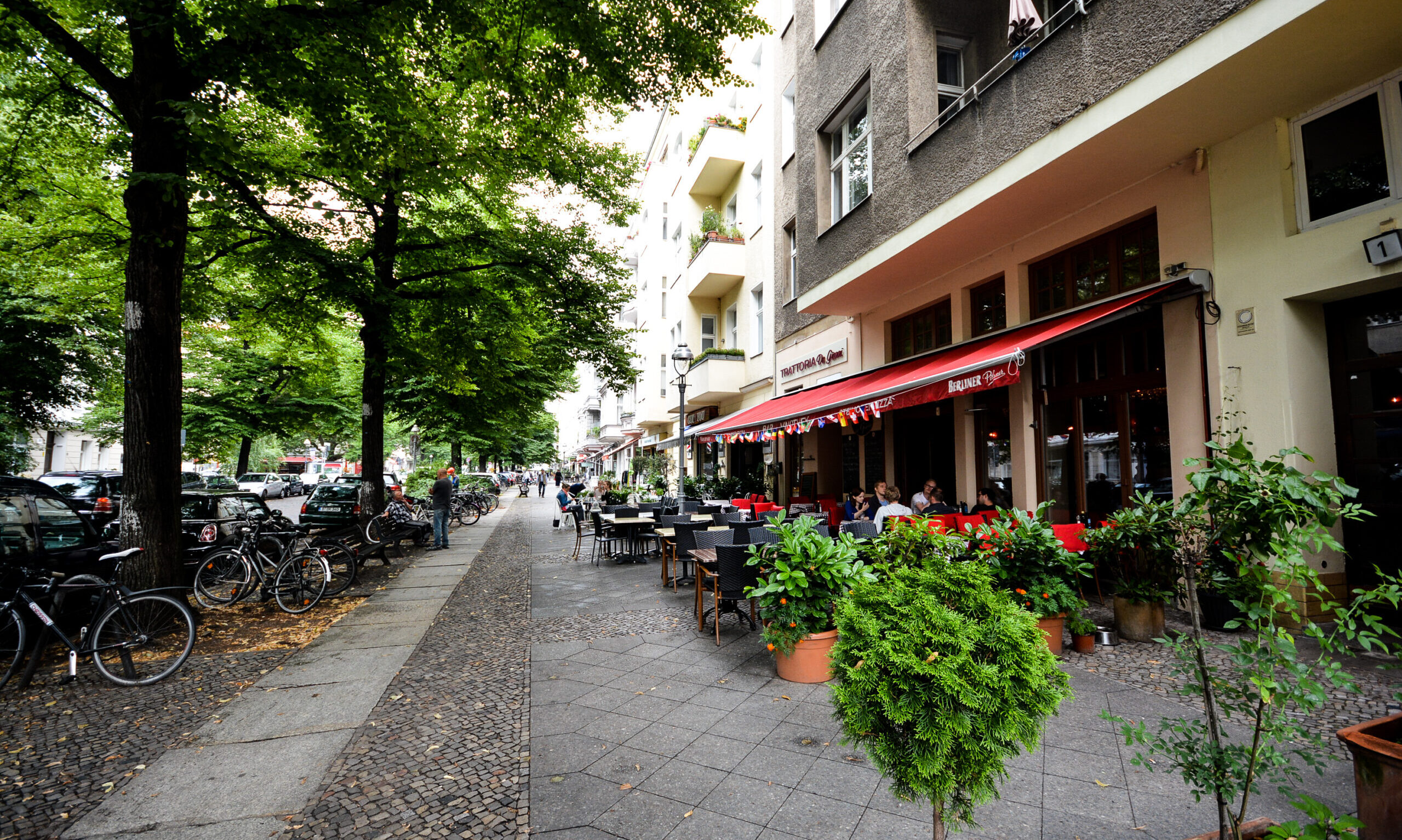
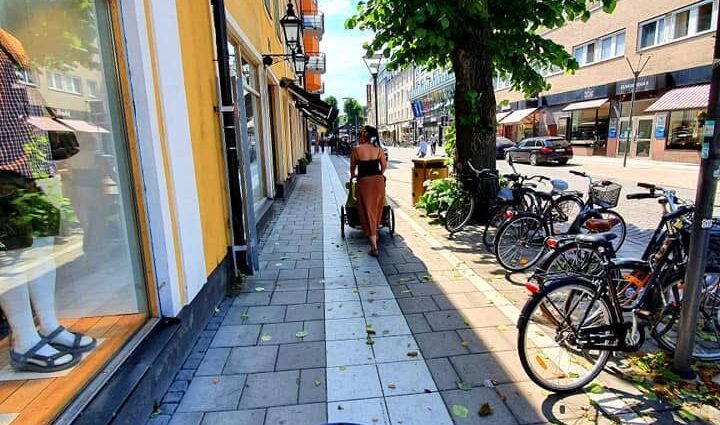
I’ve read some posts and narratives in the past year or so that challenge concepts like the 15-minute city for lack of inclusivity concerning variations in walking speed.
Walking speeds are an important issue to consider, and obviously, when we are thinking about the time it takes people to get to different amenities and services in their neighborhood or city, we must be mindful of that.
However, there is a common sense about time averages.
There is a common sense about knowing that if you stop someone on the street to ask directions to the nearest park and they respond ‘10 minutes that way’, they may not be factoring in how your knee injury will mean it takes you longer, or that your child is going to want to stop and investigate different things along the way.
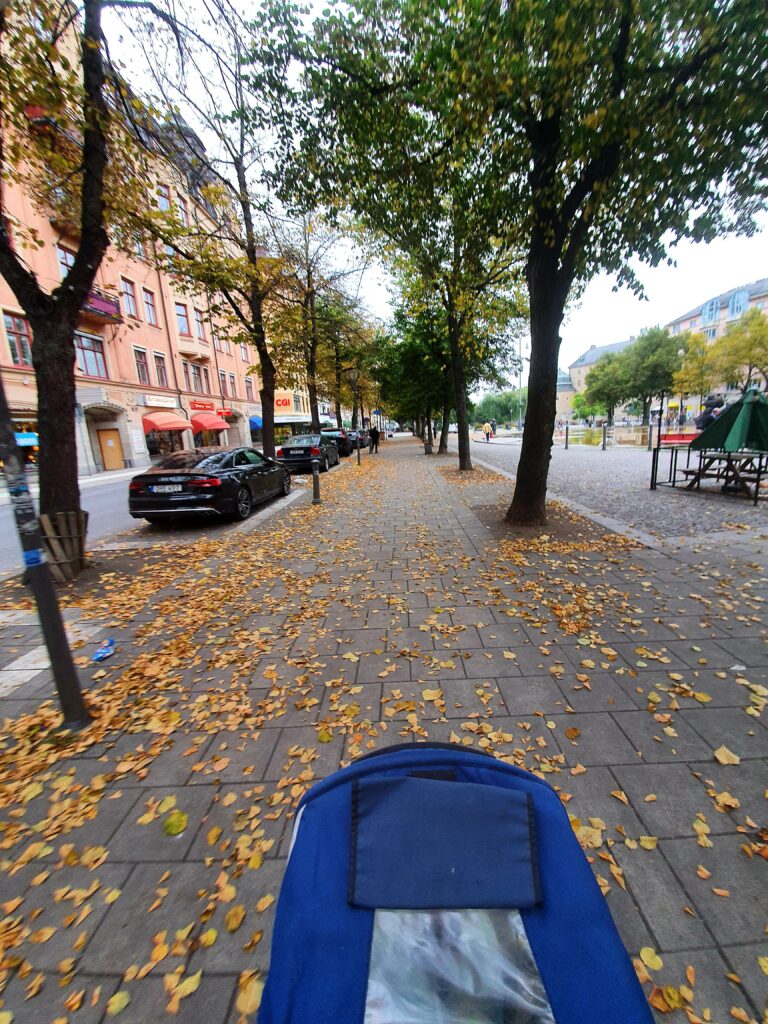
When you look up directions on Google maps or other map apps, it gives you a time estimate that you, with your own common sense, adjust to your knowledge of your movement and speed.
If you call a business and ask them for walking or public transit directions from a specific location, they are going to give you a time estimate that you yourself need to adjust if needed.
When we were living in our last neighborhood, in a dense urban context, I frequently used Google maps and often had to add on 5 or 6 minutes to the time estimate provided to me when I was moving with a stroller, as I knew I’d have to use the elevator to get up to the pedestrian overpass when using a certain bus route. Actually, taking the elevator didn’t add much time. I would add on 5 or 6 minutes in case the elevator was out of order, and I had to carry the stroller up the stairs, for which I would need extra time.
People walk at different speeds.
People roll in wheelchairs at different speeds.
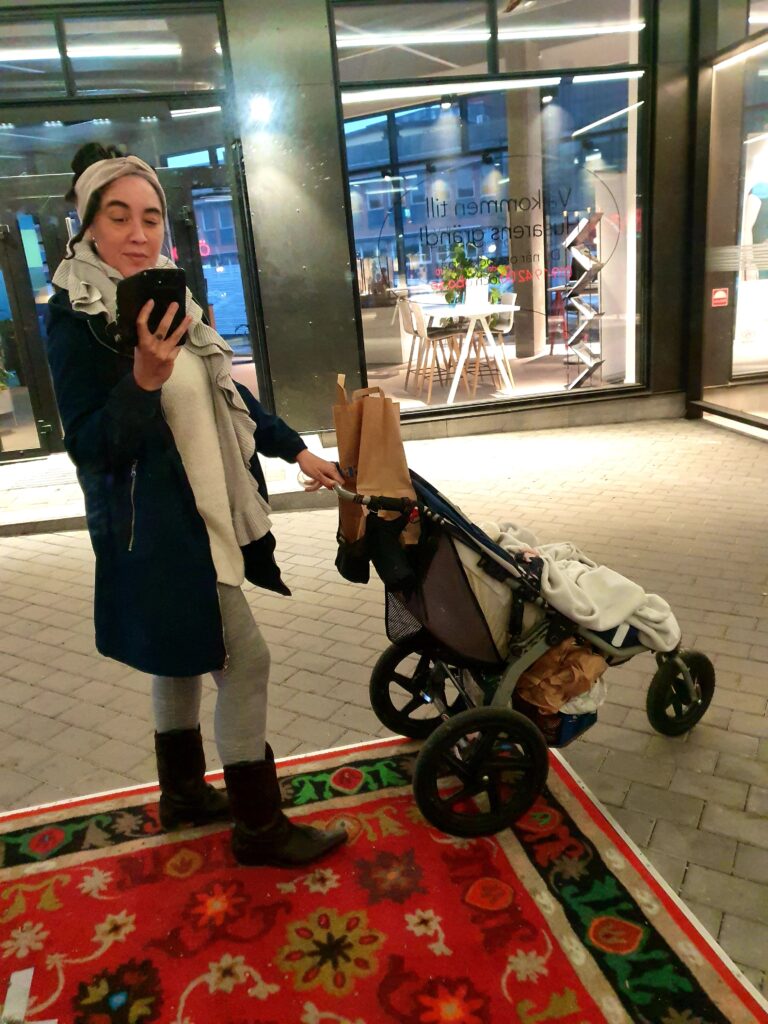
People push strollers at different speeds.
Having lived in many places where amenities were often at least a 15-minute car ride away, with no safe option to walk or take public transit, and also having lived in several contexts where most or all amenities were within a 5-15 minute (average) walking distance, I know which one offers a more humane and inclusive neighborhood-based lifestyle.
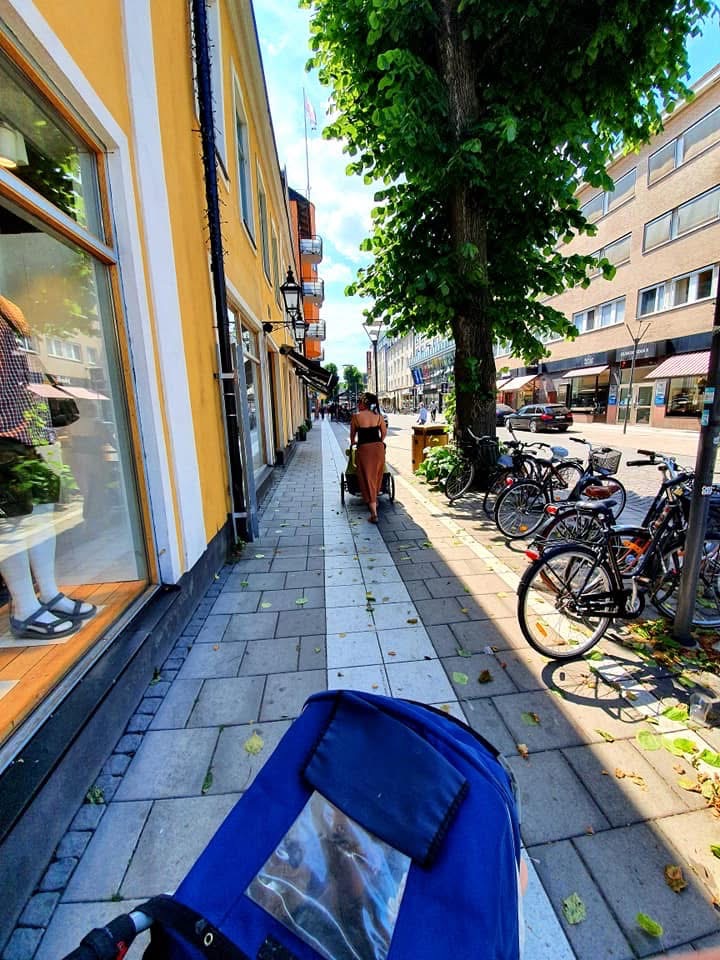
Many urban neighborhoods, however, don’t have great walkability or rich amenity density, but there are living examples to look to worldwide of those that do and glean some insight and inspiration to help usher in psychological, cultural, and physical change.
-Annika
P.S. I dearly miss those baby-toddler and stroller days! In addition to being such a special chapter of motherhood, I also really enjoyed the practicality of this ‘moving chair’ in which my children took countless naps and where I also often loaded light groceries.