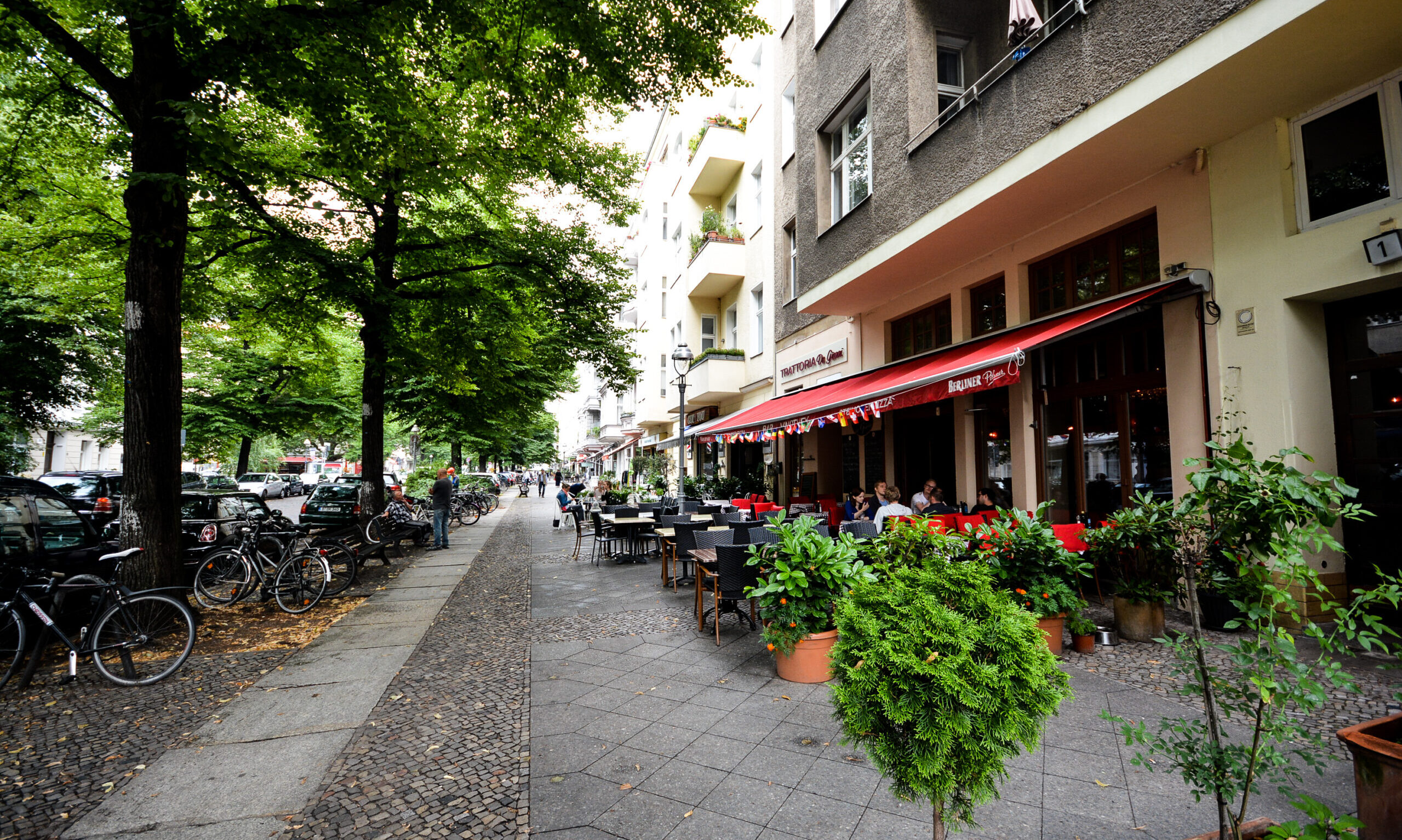
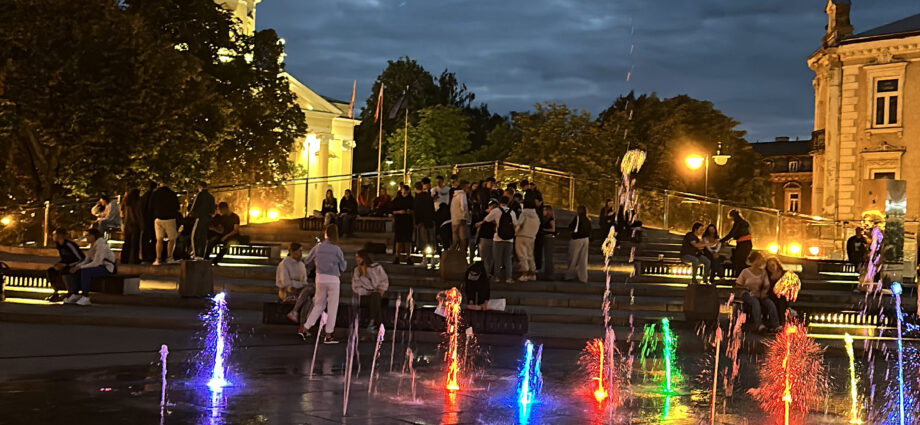
How accessible is your city to youth?
Are they often freely walking around and comfortably using diverse public spaces (as well as various establishments and institutions) throughout the day and evening?
I still cannot stop remarking upon how, more than any other town or city I’ve lived in (and I’ve lived in dozens), youth here in Radom seem to really comfortably move through and use spaces of the cities at all hours. Walking around our new home city of Radom, I began to realize wow, there are youth everywhere!
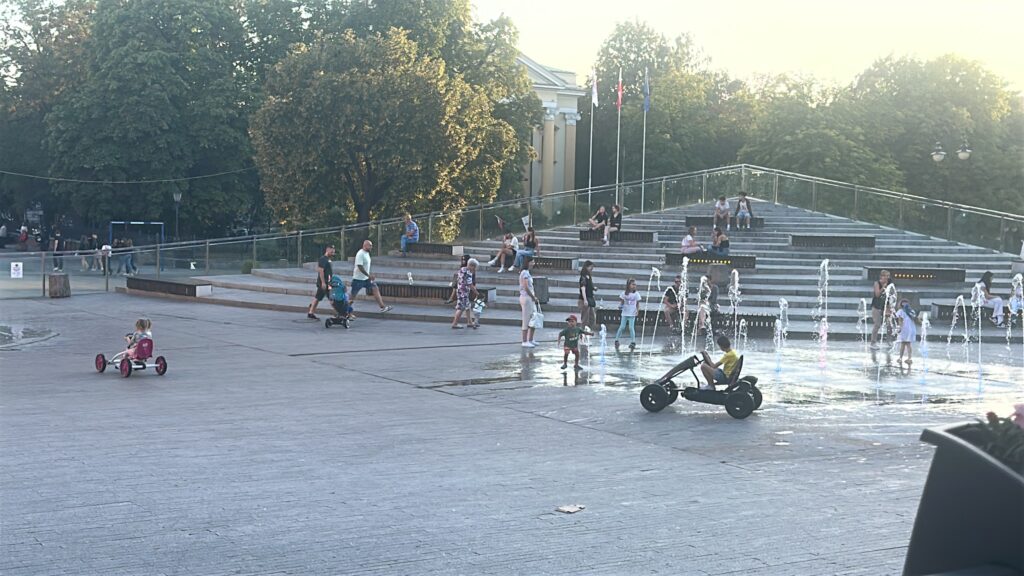
Youth strike me as a dominant demographic in public space here.
There are youth in small groups populating many tables at cafes, relaxing on city benches, and milling around the park and city spaces.
There are definitely a lot of teens, but other youth age groups, too. They are often in small groups together, clearly navigating the city without adults.
And I’m seeing it everywhere.
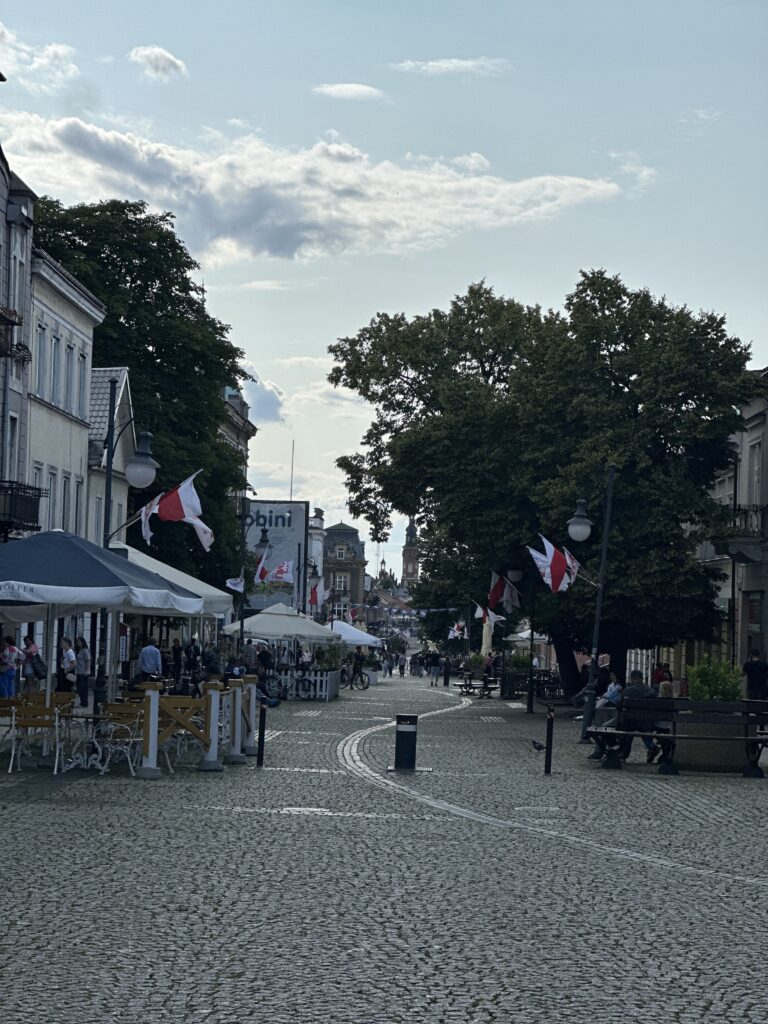
I had a funny thought the other afternoon whilst experiencing this- I felt like I was transported back to the 1980’s and watching kids like in ‘The Goonies’ out on deep adventures completely on their own
This morning, going into what has become one of my morning coffee stops, I was once again struck by the dominant presence of youth (high school teens, particularly) in urban space as well as establishments like the cafe. Just chilling, socializing, on the move, and getting on with their day.
Concerning public transportation, another observation has been that the other very obvious demographic relying strongly on the bus system are local retired individuals.
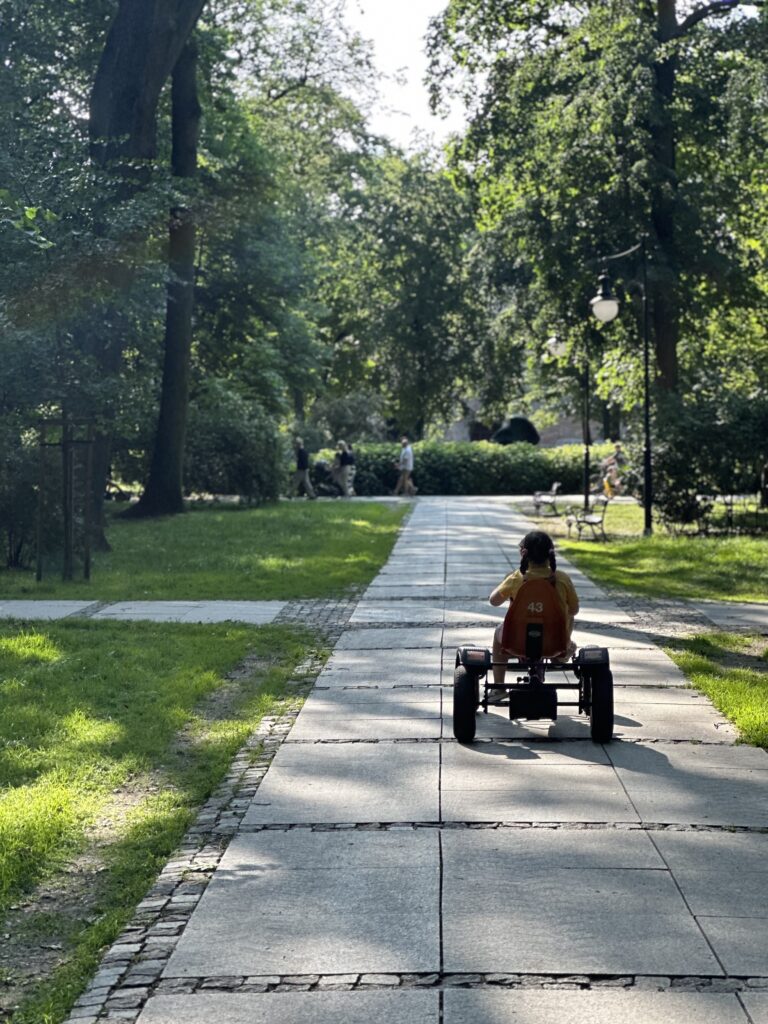
I live in the suburbs now, and to see the bus being regularly and heavily used by these two demographics is a great testament to how reliable, affordable, and accessible public transportation is, particularly supportive for those who cannot (or don’t want to drive). Without the system, all these individuals would be dependent on their parents to chauffeur them around. In the case of retired individuals, they are then reliant on adult children or others, and often then more limited in their mobility.
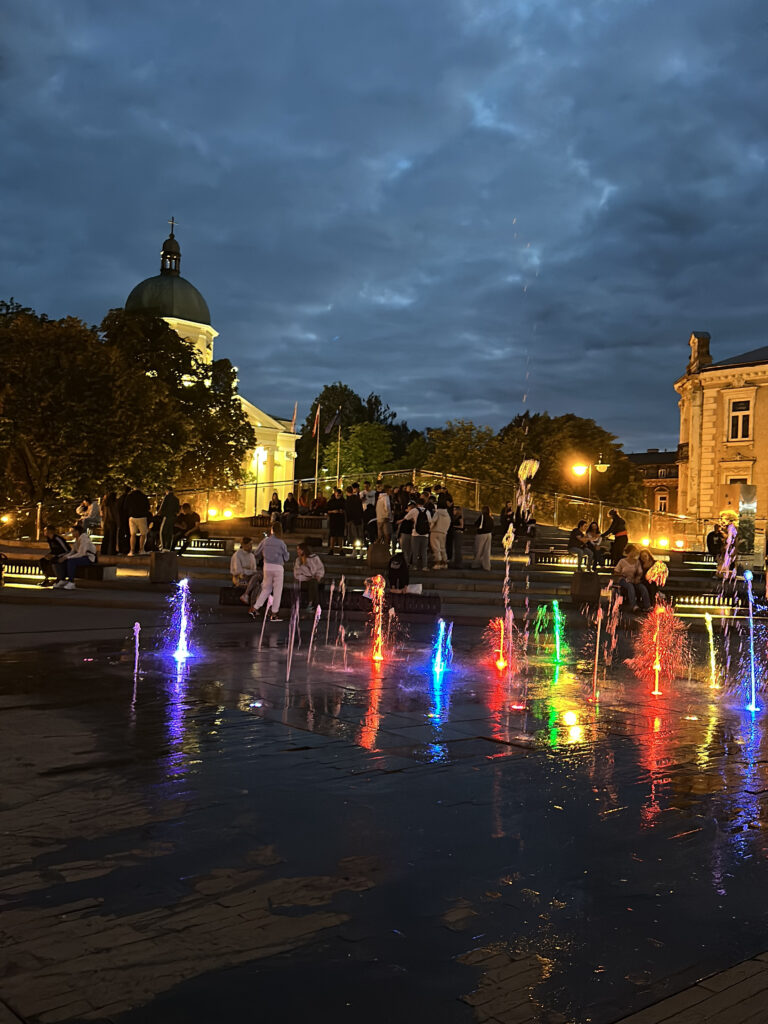
I really love seeing the city full of youth of all ages, on their own and getting on with the business of their day, off to school, going to cafes with friends before and after school, and other activities.
I see a lot of thought in urbanism networks on how we can make cities more inclusive to youth.
While I’m going to really look forward to talking with locals here about this, my observations thus far is that there is nothing clever or special that is drawing these youth to the city.
They’re enjoying moments on normal city benches, in cafes, at the playground, in the park, and all sorts of public spaces.
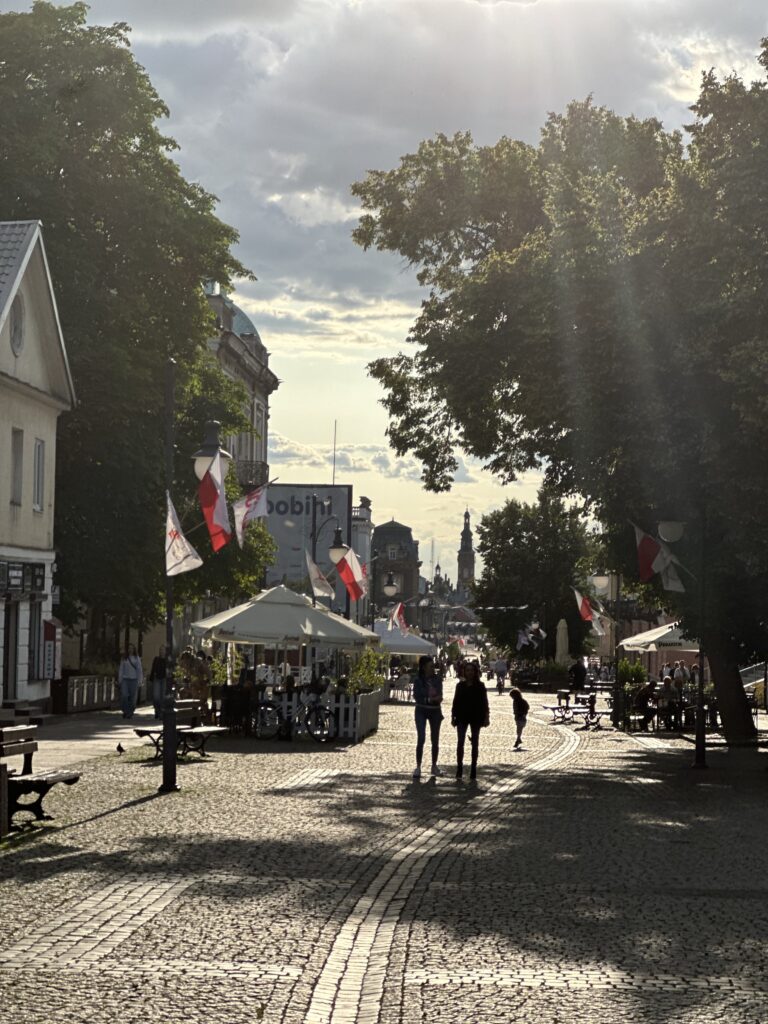
While I’m sure cool new features that accommodate youth would be appreciated, what I began thinking about were the psychological and cultural factors associated with youth using and enjoying spaces of the city.
There is clearly a culture of not only welcoming youth into public space but also normalizing their presence in it, on their own. I’m observing what I call a very ‘ordinary urbanism’ that is also rooted in common sense public space provisions that make it easier for groups of diverse generations and needs to access the city.
How is the presence of youth and their freedom to move about in your city?
Dzień dobry!
~Annika